world·Delhi·New Delhi District
India Ranks as Asia's Third Strongest Power Behind US and China
India has risen to become Asia's third most powerful nation behind the United States and China, driven by expanding diplomacy and defense capabilities like BrahMos, though China retains an 80 percent lead.
In this piece
India has secured the third spot in the latest Asia Power Index behind the United States and China, boosted by assertive diplomacy and defense systems like…
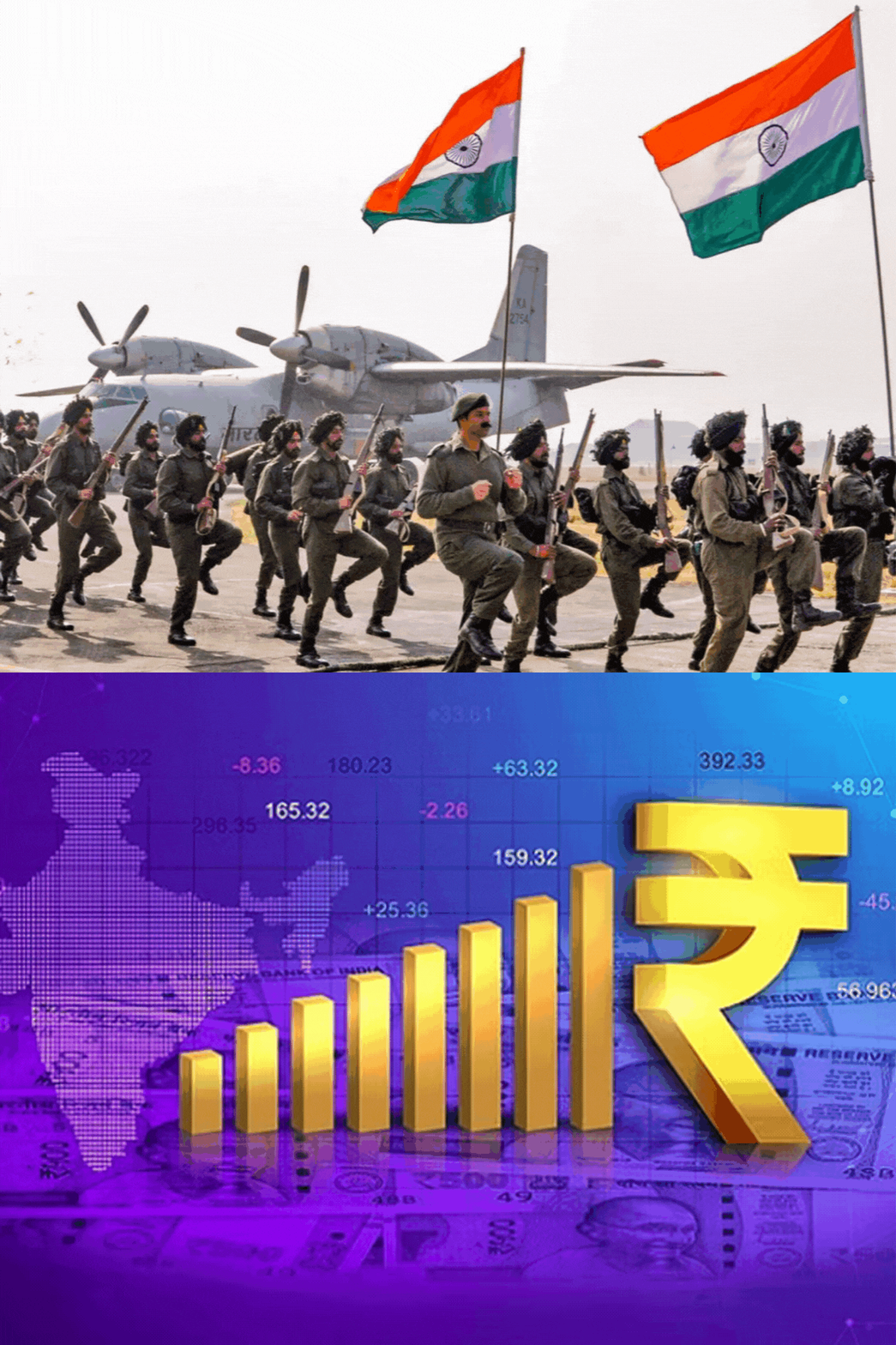
India has emerged as the third most powerful nation in the region behind the United States and China, according to the latest Asia Power Index evaluations reported by regional media. The country's elevated standing highlights its expanding strategic footprint across Asia, propelled by enhanced diplomatic networks and upgraded defense credentials. The shift underscores a changing balance of influence across the Indo-Pacific corridor as emerging powers assert their presence.
The strategic assessment credits India's rise in regional stature in significant part to its assertive diplomacy and prominent defense milestones, notably including the deployment and export momentum of the BrahMos supersonic cruise missile system. Robust international engagement and modernized military hardware have strengthened New Delhi's deterrence posture. These factors have allowed the country to project power more effectively across regional maritime and continental spheres.
Despite these measurable strategic gains, the index underscores a substantial capability divide between New Delhi and Beijing. Findings indicate that China continues to hold a commanding advantage, remaining approximately eighty percent ahead of India across comprehensive power metrics. This disparity highlights persistent gaps in industrial capacity, defense spending, and commercial infrastructure between Asia's two largest continental powers.
India's ascension to the third rank represents a significant milestone in its multi-year effort to expand external influence beyond South Asia. By overtaking other traditional regional heavyweights, the country has solidified its reputation as an essential stakeholder in Asian security and geopolitical dialogues. Analysts view this progress as tangible evidence that sustained economic growth is translating into broader international leverage.
The specific recognition of the BrahMos missile program reflects India's evolving defense industrial strategy, shifting from traditional import dependence toward self-reliance and strategic defense exports. Jointly developed advanced strike platforms provide New Delhi with credible conventional deterrence while opening new defense cooperation agreements with partner nations in Southeast Asia. Such exports have gradually established India as a reliable security partner in critical maritime transit zones.
Diplomatic engagement has simultaneously served as a vital pillar in expanding the country's overall index score. Through active participation in multilateral forums, strategic summits, and high-level outreach across neighboring capitals, Indian diplomacy has fostered deep relationships across conflicting geopolitical interests. This agile foreign policy has enabled the nation to preserve strategic autonomy while expanding cooperation with major global powers.
The broader implications of the index point toward a more complex, multipolar environment emerging across Asia. While the United States and China continue to anchor the top tier of overall influence, the rise of middle powers like India complicates binary alignments. Regional states increasingly look toward diversified security and trade partnerships to navigate growing geopolitical frictions between major powers.
Experts observe that maintaining this upward trajectory will require addressing lingering domestic challenges alongside external imbalances. To meaningfully narrow the power gap with China, India will need to accelerate manufacturing capabilities, enhance connectivity infrastructure, and sustain high rates of economic expansion over the coming decades. Defense modernization must also keep pace with evolving technological frontiers in cyber, space, and maritime surveillance.
Looking ahead, India's positioning as Asia's third power cements its responsibility in shaping regional stability and security architecture. Observers note that while the recognition validates recent diplomatic and defense achievements, long-term influence will ultimately rest on implementation and sustained strategic investment. How New Delhi balances resource allocation between domestic development and external power projection will define its regional role in the years ahead.
Primary source: Divya Bhaskar International. Newzly rewrites and structures source reporting for clarity; verify critical details at the original.