Iranian Mother Demands Justice After Teenage Daughter Shot Dead in Protests
After her 16-year-old daughter Sevda was killed during mass demonstrations in January, an Iranian mother named Samira is publicly confronting authorities to demand accountability for the fatal shooting.
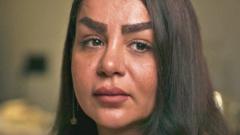
A grieving mother in Iran has stepped forward to publicly confront authorities following the death of her teenage daughter during demonstrations earlier this year. Samira's 16-year-old daughter, Sevda, was shot dead while the two were participating in mass protests in January, according to a report by BBC World. The case highlights the severe human toll of the unrest and the growing willingness of bereaved families to challenge state narratives.
According to the account, Sevda was among the crowds taking part in widespread street rallies when lethal force was deployed. Eyewitness accounts and reporting gathered by international outlets indicate that the teenager was fatally struck by gunfire during the January demonstrations. Her mother has since chosen to speak out openly against the security apparatus held responsible for the shooting.
Sevda’s death adds to a documented pattern of young people and teenagers being killed during demonstrations across Iran. Human rights observers and monitoring groups have repeatedly raised alarm over the deployment of live ammunition and heavy-handed tactics by security forces against civilian gatherings. Families across the country have reported similar tragedies, where teenage participants became casualties in violent crackdowns.
By directly confronting the regime, Samira joins a visible network of mourning mothers who have refused to remain silent after losing children in state crackdowns. Historically referred to in rights discourse as justice-seeking families, these relatives often risk formal charges, interrogations, and surveillance to demand accountability. Their public defiance has emerged as a distinct and resilient pillar of dissent within the country.
The January rallies took place against a backdrop of enduring public anger over political repression, economic distress, and civil restrictions. Demonstrations in Iranian cities have frequently erupted into broad challenges against the clerical establishment, drawing participants from diverse social and demographic groups. Security services have historically met such mass mobilizations with sweeping detentions, internet blackouts, and lethal street interventions.
Relatives of deceased protesters frequently encounter intense pressure from government and intelligence agencies aimed at enforcing silence. Rights organizations report that security forces routinely coerce families into staging private burials, refraining from holding public memorial services, or falsely attributing deaths to accidents and independent assailants. Mothers who reject these restrictions often face severe administrative and judicial retaliation.
Samira’s decision to openly oppose the authorities underscores the limits of state intimidation in suppressing public grief. Analysts note that the deaths of minors and teenagers resonate deeply across Iranian society, transforming personal loss into collective grievance. Each public stand by a bereaved parent chips away at official attempts to normalize or obscure the consequences of state-directed violence.
As documentation of the January crackdown continues, international human rights monitors and United Nations bodies remain focused on gathering evidence of excessive force by Iranian authorities. For families like Samira's, the path forward remains fraught with significant personal danger and legal uncertainty. Nevertheless, the determination of grieving relatives to seek answers ensures that demands for justice will continue to challenge the establishment's stance.
Primary source: BBC World. Newzly rewrites and structures source reporting for clarity; verify critical details at the original.