Israeli Strikes in Gaza Kill 7 as Meningitis Cases Surge
Israeli air strikes killed seven people in Gaza as health officials warned of a growing public health emergency, with October meningitis infections surging to more than eight times the normal rate.
In this piece
At least seven people have been killed in Israeli air strikes in Gaza as medical personnel sound alarms over an escalating meningitis outbreak. Local health…
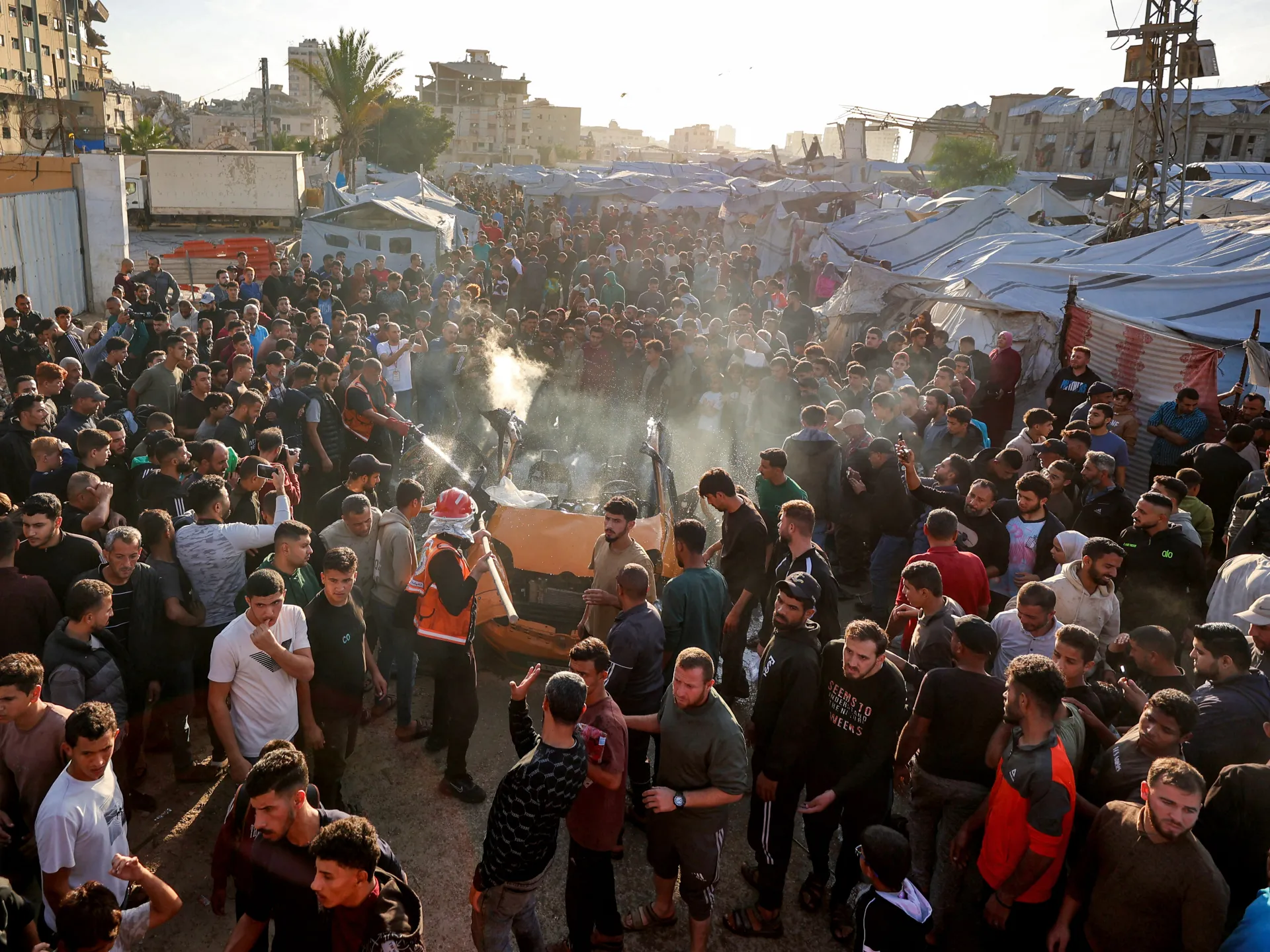
At least seven people have been killed in Israeli air strikes across the Gaza Strip, according to reports from Al Jazeera, as medical personnel simultaneously issued urgent warnings regarding a severe surge in infectious diseases. The deadly bombardments add to the toll on local communities while compounding an already catastrophic humanitarian landscape for civilians living in temporary shelters.
Gaza health officials confirmed that documented cases of meningitis rose sharply to 272 during October. That tally represents more than eight times the typical monthly rate recorded in the territory, signaling an alarming acceleration of the potentially fatal disease among the civilian population.
Medical professionals have cautioned that the rapid rise in meningitis highlights the profound collapse of preventative healthcare systems and basic sanitary safeguards. Prolonged displacement, compounded by widespread infrastructural destruction, has forced hundreds of thousands of people into packed shelters and tent encampments where disease transmission can occur largely unchecked.
Meningitis, an acute inflammation of the protective membranes covering the brain and spinal cord, presents an extreme danger in settings where medical infrastructure is crippled. Health specialists emphasize that bacterial strains of the disease can cause death or permanent cognitive and neurological disability within hours if left untreated with targeted antibiotics.
The surge in infections coincides with sustained military operations that continue to inflict casualties and overwhelm surviving emergency departments. Hospitals across Gaza are already facing critical shortages of beds, electricity, and basic pharmaceuticals, leaving doctors with minimal resources to treat severe infectious cases while managing influxes of blast and trauma patients.
Sanitation conditions across displacement camps have deteriorated dramatically due to damaged water treatment plants, severed sewer lines, and an acute lack of clean drinking water. Relief organizations have long warned that untreated sewage overflowing into communal areas and the absence of personal hygiene supplies create an ideal breeding ground for communicable illnesses.
Physicians have emphasized that containing an outbreak of this scale requires swift laboratory confirmation, isolation protocols, and robust stocks of specialized medicines. However, persistent blockades, severe restrictions on humanitarian cargo, and active combat zones severely impede the delivery of essential antibiotics, intravenous fluids, and preventative vaccines.
Public health monitors note that without immediate epidemiological interventions, the reported spike in October could signal the beginning of a much wider health catastrophe. Pediatric patients and elderly residents remain particularly vulnerable, as chronic malnutrition and repeated displacement have already compromised the immune systems of large segments of the population.
Looking ahead, health authorities warn that the dual pressure of continuing air strikes and runaway infectious outbreaks threatens to push Gaza's remaining medical facilities beyond complete operational failure. Aid agencies and medical personnel continue to appeal for unrestricted access for humanitarian supplies, the restoration of basic municipal utilities, and an immediate cessation of hostilities to prevent further preventable loss of life.
Primary source: Al Jazeera. Newzly rewrites and structures source reporting for clarity; verify critical details at the original.