Jammu and Kashmir Set for Dry Weather Through End of November, MeT Predicts
Jammu and Kashmir is forecast to experience dry weather through November 30, with the Meteorological Department expecting nighttime temperatures to fall by one to two degrees Celsius across the region.
In this piece
The Meteorological Department in Srinagar has forecast predominantly dry weather across Jammu and Kashmir through the end of November. Nighttime temperatures…
Weather across Jammu and Kashmir is projected to remain predominantly dry through the end of November, according to the latest forecast from the Meteorological Centre in Srinagar. Officials indicated that neither the Kashmir Valley nor the Jammu division is likely to experience any significant precipitation over the coming week. The forecast confirms the continuation of an extended spell of dry weather across the Union Territory.
Although daytime conditions are expected to remain mostly bright and sunny, nighttime temperatures are forecast to decline further across the region. Meteorologists noted that minimum temperatures could drop by one to two degrees Celsius during the closing days of the month. This anticipated cooling trend is set to intensify the nocturnal chill across both urban centers and rural valleys.
Recent observational data indicate that daytime maximum temperatures have been running slightly above normal at several stations across the plains. In contrast, higher-altitude areas and prominent tourist destinations, including Gulmarg and Pahalgam, have already experienced temperatures near or below the freezing mark after nightfall. These contrasting day and night readings reflect the prevailing clear-sky conditions.
The weather office has not issued any adverse weather advisories or severe warnings for the remainder of November. The absence of active Western Disturbances has maintained atmospheric stability across the northern mountain ranges. Without incoming moisture-laden fronts, widespread rain or snow remains absent from the immediate regional forecast.
Late November typically represents a crucial seasonal transition for Jammu and Kashmir as the region gears up for the onset of core winter. In typical years, occasional weak weather systems begin dusting the higher reaches with light snowfall before December arrives. Current meteorological models, however, suggest that dry conditions will dominate the regional climate through the final day of the month.
The prolonged dry spell carries varied implications for residents, farmers, and transport operators throughout the territory. While dry roads and clear skies facilitate uninterrupted travel and post-harvest orchard maintenance, extended precipitation deficits can gradually impact soil moisture levels. Environmental observers also keep a close watch on regional water reservoirs when autumn moisture remains subdued.
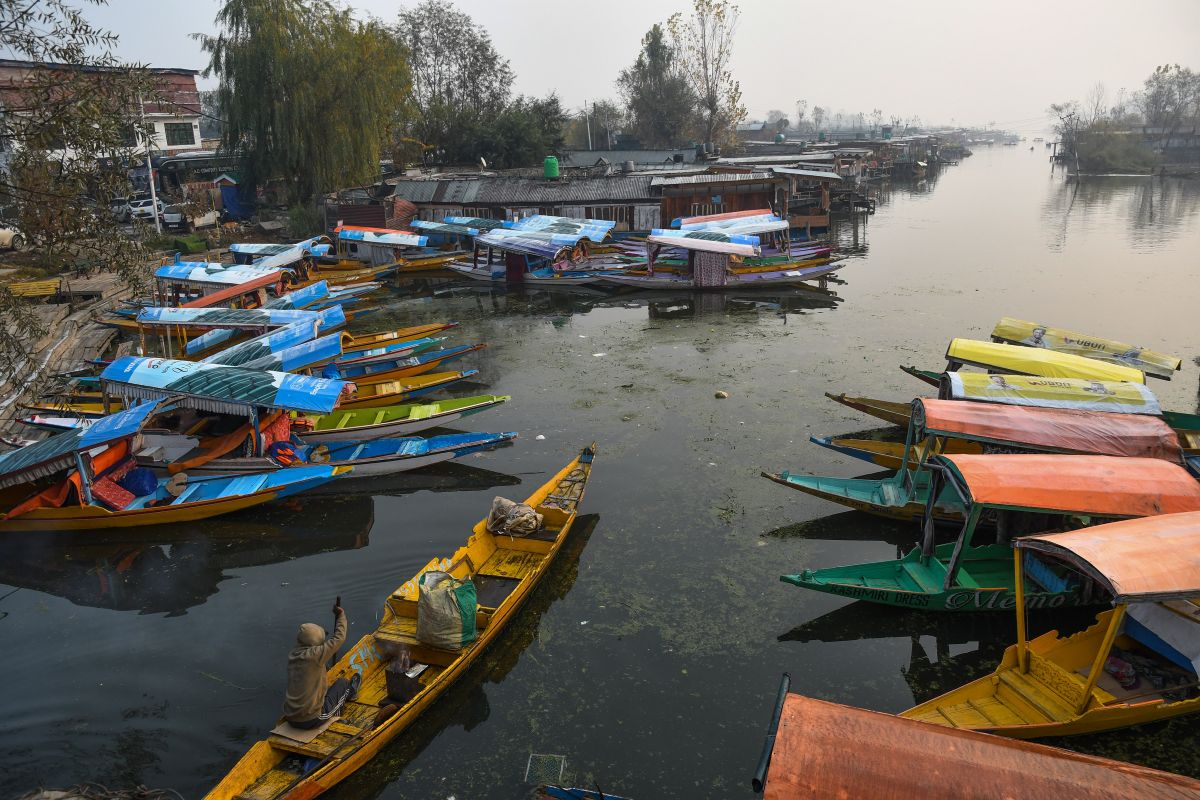
Persistent dry weather paired with low nocturnal temperatures often contributes to shallow fog and hazy morning conditions across low-lying basin areas. Calm surface winds prevent the rapid dispersal of airborne particulate matter, occasionally lowering visibility during early morning commutes. Health practitioners frequently advise residents to take precautions against seasonal respiratory irritations during such prolonged dry spells.
Looking toward the beginning of December, the Meteorological Department indicated that partly to generally cloudy skies may develop between December 1 and December 3. Forecasters stressed, however, that substantial precipitation is still not anticipated during that brief window. Weather officials will continue to monitor regional atmospheric patterns for any emerging systems that could bring rain or snowfall later in the season.
Primary source: Google News Jammu and Kashmir. Newzly rewrites and structures source reporting for clarity; verify critical details at the original.