Jensen Huang Returns as Nvidia CEO as Rep. Jimmy Gomez Resigns Amid Ethics Probe
Jensen Huang has returned as chief executive of Nvidia following negotiations claimed by President Trump, while California Democratic Representative Jimmy Gomez announced his resignation amid allegations of sexual misconduct.
In this piece
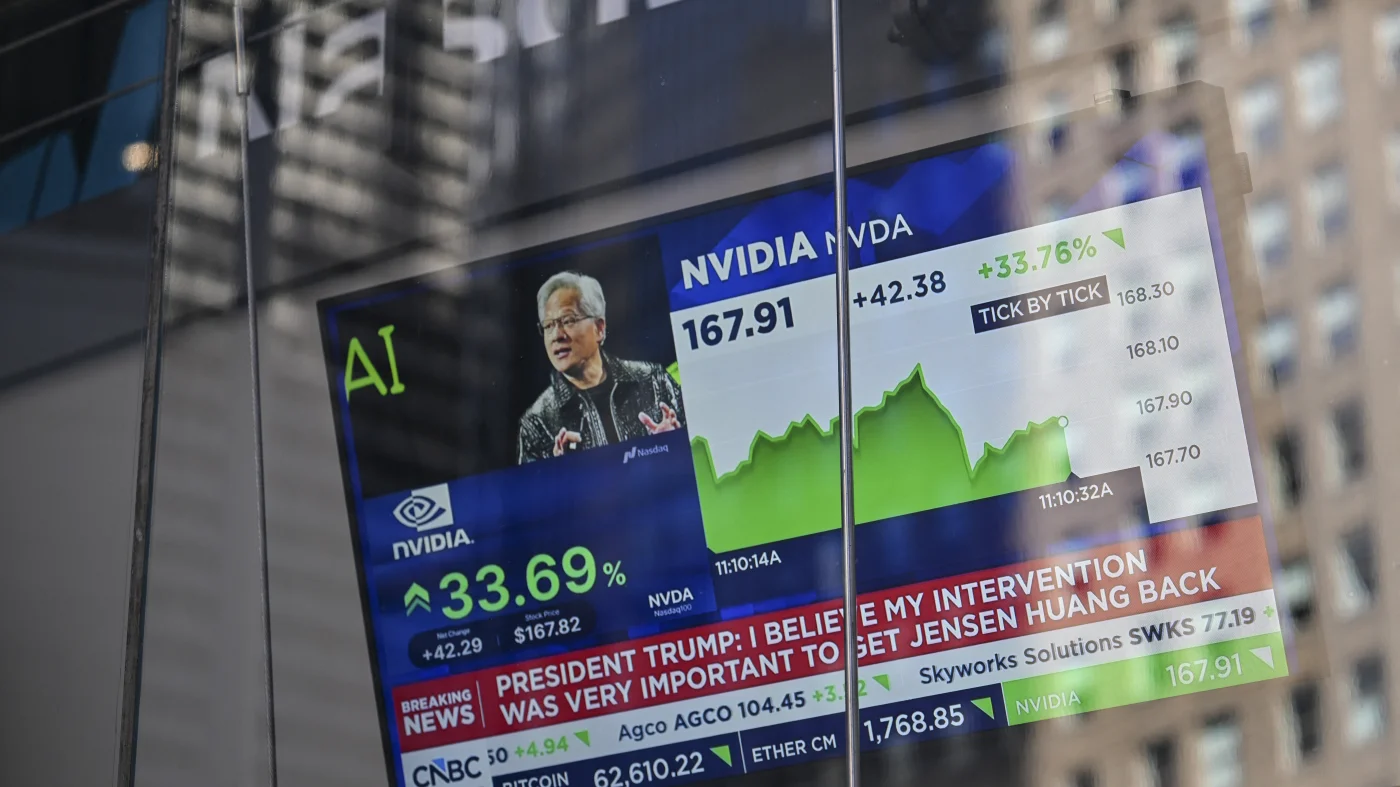
Nvidia co-founder Jensen Huang is returning as chief executive after President Donald Trump took credit for facilitating talks with the semiconductor giant's…
Jensen Huang is returning to his role as chief executive of Nvidia, capping a tumultuous chapter for the world's leading artificial intelligence chipmaker. In an unexpected political twist, President Donald Trump publicly took credit for negotiating Huang's reinstatement with the company's leadership. The corporate reversal coincided with another high-profile political shakeup in Washington, as California Democratic Representative Jimmy Gomez announced his sudden resignation from Congress.
The announcement of Huang's return follows his abrupt departure from the semiconductor titan, a move that had sent shockwaves through financial markets and the technology industry. According to reports from NPR News, President Trump intervened directly, asserting that he brokered discussions with Nvidia's board of directors to pave the way for Huang's reinstatement. Trump framed the executive's leadership as vital to American economic competitiveness and technological dominance.
Huang, who co-founded Nvidia and steered its meteoric rise into a multitrillion-dollar powerhouse of the artificial intelligence boom, has long been regarded as central to the company's strategic vision. His initial exit raised immediate questions regarding the company's product roadmap, supply chain relationships, and investor confidence. The rapid reversal underscores the immense pressure corporate boards face when governance disputes intersect with market stability and executive authority.
The direct involvement of the White House in the executive suite of a publicly traded technology firm marks an extraordinary intervention in corporate governance. Analysts noted that federal policy and advanced computing technology have become deeply intertwined with national economic and security priorities in recent years. While supporters welcomed moves to stabilize a cornerstone of the technology economy, critics raised questions regarding the precedent of presidential mediation in corporate management decisions.
Meanwhile, Capitol Hill was confronted with its own sudden disruption as Representative Gomez declared he would step down from his seat representing California. Gomez announced that his resignation will take effect on December 1, cutting short his tenure in the House of Representatives. The decision followed the emergence of serious sexual misconduct allegations that prompted immediate scrutiny from congressional leaders.
Gomez, a prominent Democrat who has served in the House since 2017, faced mounting pressure as ethics inquiries examined the allegations. In statements addressing his planned departure, congressional observers emphasized the swift fallout within the caucus as lawmakers confronted the findings. The abrupt exit leaves a key legislative post vacant during a high-stakes legislative calendar in Washington.
The timing of Gomez's departure creates immediate electoral and political ramifications for both the California delegation and the broader balance of power in the House. Under state election procedures, officials will need to schedule a special election to determine who will complete the remainder of the congressional term. In the interim, House Democrats face a narrowed voting margin as critical debates over federal spending and legislative priorities continue.
Taken together, the two developments illustrate a volatile moment where corporate power, federal influence, and political accountability collide. From the executive suites of Silicon Valley to the halls of Congress, traditional lines between private enterprise and political intervention continue to evolve. The simultaneous headlines also reflect how quickly leadership dynamics can shift across major American institutions.
Moving forward, technology investors will closely monitor Huang's return and how Nvidia addresses the governance circumstances surrounding his temporary departure. On Capitol Hill, lawmakers will focus on navigating the seat transition in California while managing the political fallout from the ethics investigation. Both stories are expected to generate continued scrutiny as regulators, lawmakers, and corporate observers assess the longer-term implications.
Primary source: NPR News. Newzly rewrites and structures source reporting for clarity; verify critical details at the original.