Jersey Shore Flooding Submerges Roadways in Sea Isle City and Manasquan
Rising tides and persistent coastal winds inundated streets in Sea Isle City and Manasquan, forcing municipal road closures and prompting emergency warnings across vulnerable Jersey Shore communities.
In this piece
Coastal flooding inundated roadways and low-lying neighborhoods in Sea Isle City and Manasquan following elevated high tides along the Jersey Shore. Emergency…
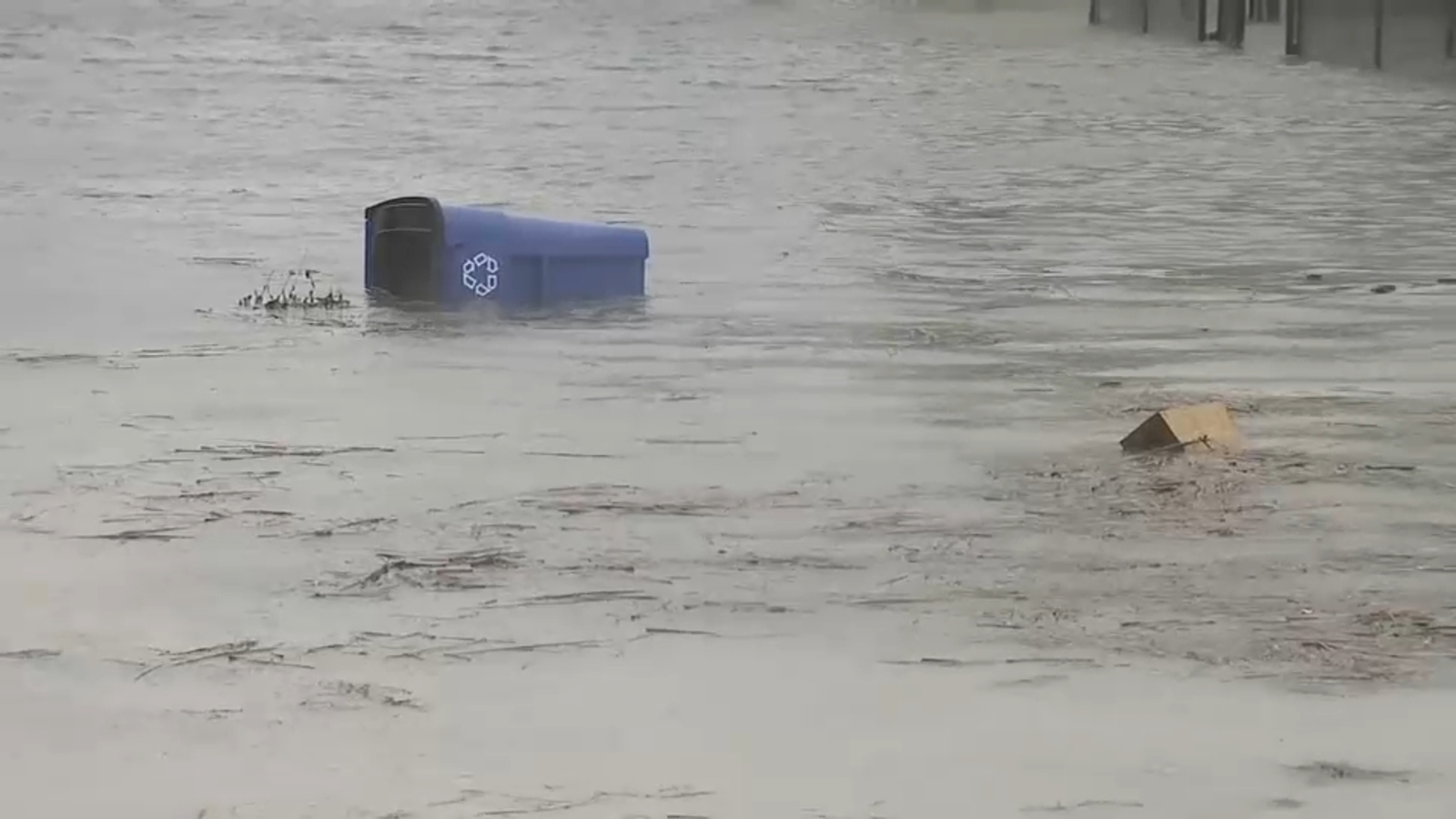
Coastal flooding swamped roadways and low-lying neighborhoods across sections of the Jersey Shore, leaving multiple streets submerged in communities including Sea Isle City and Manasquan. Rising seawater poured into streets during high tide cycles, disrupting local traffic patterns and prompting municipal officials to issue travel advisories across impacted shore areas.
Broadcast footage and on-the-ground reports captured murky floodwaters filling intersections curb to curb, cutting off access to several residential and commercial blocks. Public safety personnel and municipal road crews deployed barricades to restrict access along the most heavily inundated corridors, aiming to keep motorists from driving into dangerous standing water.
In Sea Isle City, tidal waters quickly overflowed bulkheads and saturated low-lying thoroughfares, creating hazardous conditions for morning and afternoon commuters. Farther north in Monmouth County's borough of Manasquan, water similarly spilled over roadways near tidal waterways, encroaching upon driveways and low-lying roadside properties.
The localized inundation was driven by a combination of elevated high tides and persistent onshore winds that prevented water from draining effectively out of back bays. In these vulnerable barrier island and estuary environments, even moderate tidal surges can overwhelm local storm drainage systems, trapping water inland for prolonged periods.
Emergency managers reiterated warnings for residents and travelers to exercise extreme caution and avoid driving through water-covered streets. Authorities consistently emphasize that driving through tidal floodwaters poses severe dangers, as unseen road damage, dislodged manhole covers, and corrosive saltwater can quickly disable vehicles and strand drivers.
The recurring street flooding reflects a broader, persistent challenge for Jersey Shore communities, where low elevation leaves infrastructure vulnerable during routine tidal events. While catastrophic storms draw national attention, minor to moderate coastal flooding has grown increasingly frequent, disrupting daily routines, deliveries, and school transportation across the region.
Municipalities have increasingly invested in mitigation measures, such as installing storm check valves, raising bulkheads, and updating emergency pumping stations, to counteract the relentless influx of seawater. Despite these ongoing infrastructure investments, town leaders acknowledge that severe tidal surges still overpower local defenses during high-water cycles.
Residents in both Sea Isle City and Manasquan took precautionary steps familiar to coastal dwellers, shifting parked cars to elevated parking areas and clearing street gutters of debris. Business owners in prone commercial corridors placed sandbags and closely monitored water levels along storefront thresholds as tides crested.
Looking ahead, local emergency management agencies urged the public to remain vigilant throughout subsequent high tide cycles, noting that back-bay drainage can lag behind ocean tides by hours. Municipal crews plan to inspect roadways, clear remaining sediment, and reopen blocked transit routes once water recedes fully back into surrounding waterways.
Primary source: Google News New Jersey. Newzly rewrites and structures source reporting for clarity; verify critical details at the original.