Thanksgiving Nor'easter Triggers Severe Coastal Flooding and Record Tides in New Jersey
A powerful Thanksgiving coastal storm brought record-breaking tidal flooding and damaging 70 mph winds to New Jersey, cutting off roads, downing power lines, and prompting a statewide emergency declaration.
In this piece
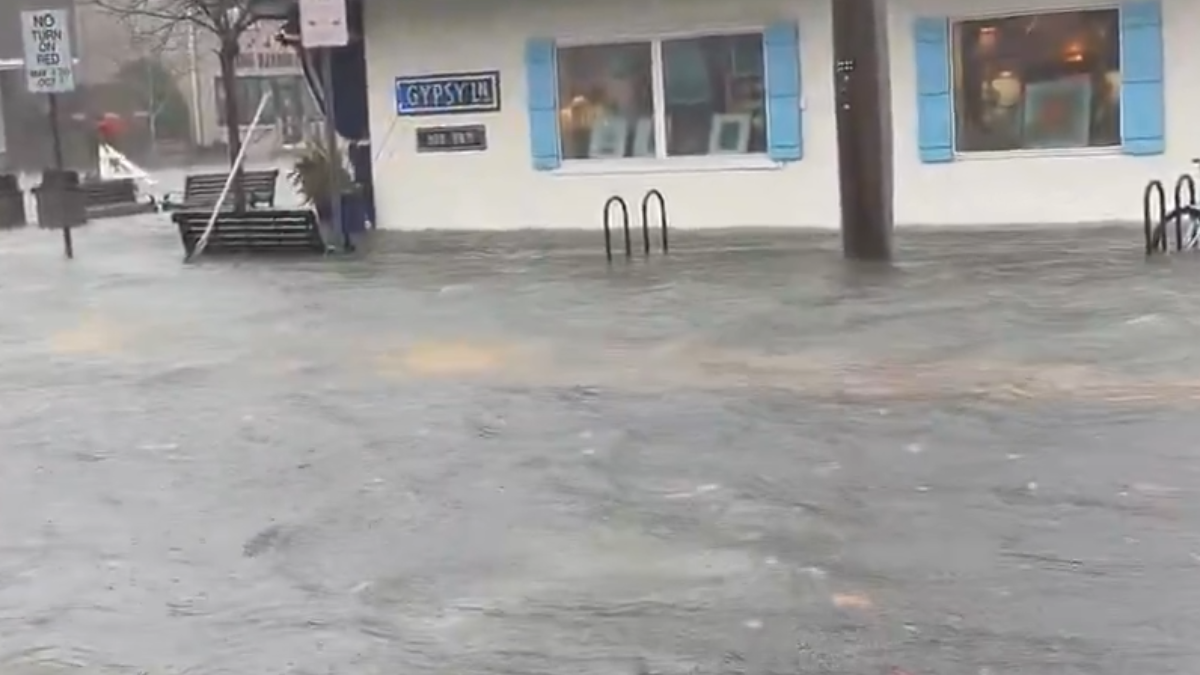
A severe Thanksgiving Day storm produced historic coastal flooding and high winds across coastal New Jersey, stranding drivers and prompting a statewide State…
A powerful Thanksgiving Day coastal storm battered New Jersey with severe coastal flooding, destructive onshore winds, and historic water levels on Thursday. The intense nor'easter coincided with astronomical king tides, pushing ocean water inland and swamping coastal communities across the state. Holiday travelers and coastal residents faced major disruptions as storm surge transformed low-lying streets into waterways.
Water levels climbed rapidly during morning high tides, submerging waterfront neighborhoods from Monmouth County south to Cape May. In Cape May, tidal gauges recorded historic coastal flooding reaching approximately 3.75 feet, surpassing benchmarks set during the landmark January 2016 blizzard. Coastal monitoring stations along the Jersey Shore observed water heights well into major flood thresholds throughout the morning.
Barrier island towns bore the brunt of the surge, as rising waters inundated primary transit corridors and severed crucial connections to the mainland. In North Wildwood, floodwaters inundated causeways and restricted bridge access, stranding holiday travelers and isolating local neighborhoods. Municipal officials in towns such as Manasquan and Atlantic City reported widespread road closures, submerged vehicles, and severe beach erosion.
In response to the deteriorating weather conditions, New Jersey officials declared a statewide State of Emergency ahead of the Thanksgiving holiday. Emergency management agencies urged residents in vulnerable, low-lying sectors to stay off the roads and obey municipal evacuation directives. First responders deployed high-water rescue vehicles to assist stranded motorists and monitor vulnerable coastal intersections.
Fierce east-northeast winds compounded the flooding danger, delivering sustained gales and gusts reaching 50 to 70 mph along coastal stretches. Combined with saturated ground from heavy rainfall, the relentless gusts brought down mature trees and snapped utility lines across multiple municipalities. Utility providers dispatched crews to tackle localized power outages that left holiday households without electricity.
The Thanksgiving storm caused sweeping disruptions beyond New Jersey, paralyzing travel networks across the Mid-Atlantic and Northeast corridor. Severe conditions led to unprecedented cultural disruptions, including the historic postponement of the Macy's Thanksgiving Day Parade in New York City until Saturday. In neighboring Pennsylvania, organizers were forced to cancel Philadelphia's long-running Thanksgiving parade due to hazardous wind and rain.
Meteorologists emphasized that the severity of the flooding stemmed from the unfortunate convergence of meteorological surge and monthly peak astronomical tides. When gale-force onshore winds persistently pile water against the coast during high tides, water cannot drain effectively through back bays and inlets. This compounding dynamic highlights the persistent vulnerability of Atlantic coastal infrastructure during seasonal autumn nor'easters.
Beyond immediate property disruption, the pounding surf inflicted heavy damage on protective sand dunes and newly replenished beaches. Coastal engineers and local officials have repeatedly warned that late-season autumn storms strip away vital coastal defenses right before winter begins. The resulting shoreline loss often leaves shore communities exposed to secondary storms throughout December and January.
Emergency crews and municipal workers remained on alert through Thursday evening to clear drainage systems, repair utility lines, and reopen blocked transit routes. State weather forecasters warned that coastal areas could experience lingering moderate flooding during subsequent high-tide cycles before the storm system departs. Officials advised residents to remain cautious around standing water, which often conceals downed power cables and unseen roadway damage.
Full damage assessments are expected to begin once coastal waters completely recede and municipal inspectors can safely survey affected shoreline infrastructure. Local leaders and emergency management coordinators will evaluate damage to bulkheads, boardwalks, and roadways to determine necessary recovery assistance. For coastal New Jersey, the severe Thanksgiving storm serves as another stark reminder of the ongoing challenges posed by coastal inundation and extreme weather.
Primary source: Google News New Jersey. Newzly rewrites and structures source reporting for clarity; verify critical details at the original.