Jim Cramer Defends AI Trade as Nasdaq Slides Into Correction
Jim Cramer told CNBC Investing Club members that the artificial intelligence trade remains fundamentally sound, even as the Nasdaq slides into correction territory amid broader market volatility.
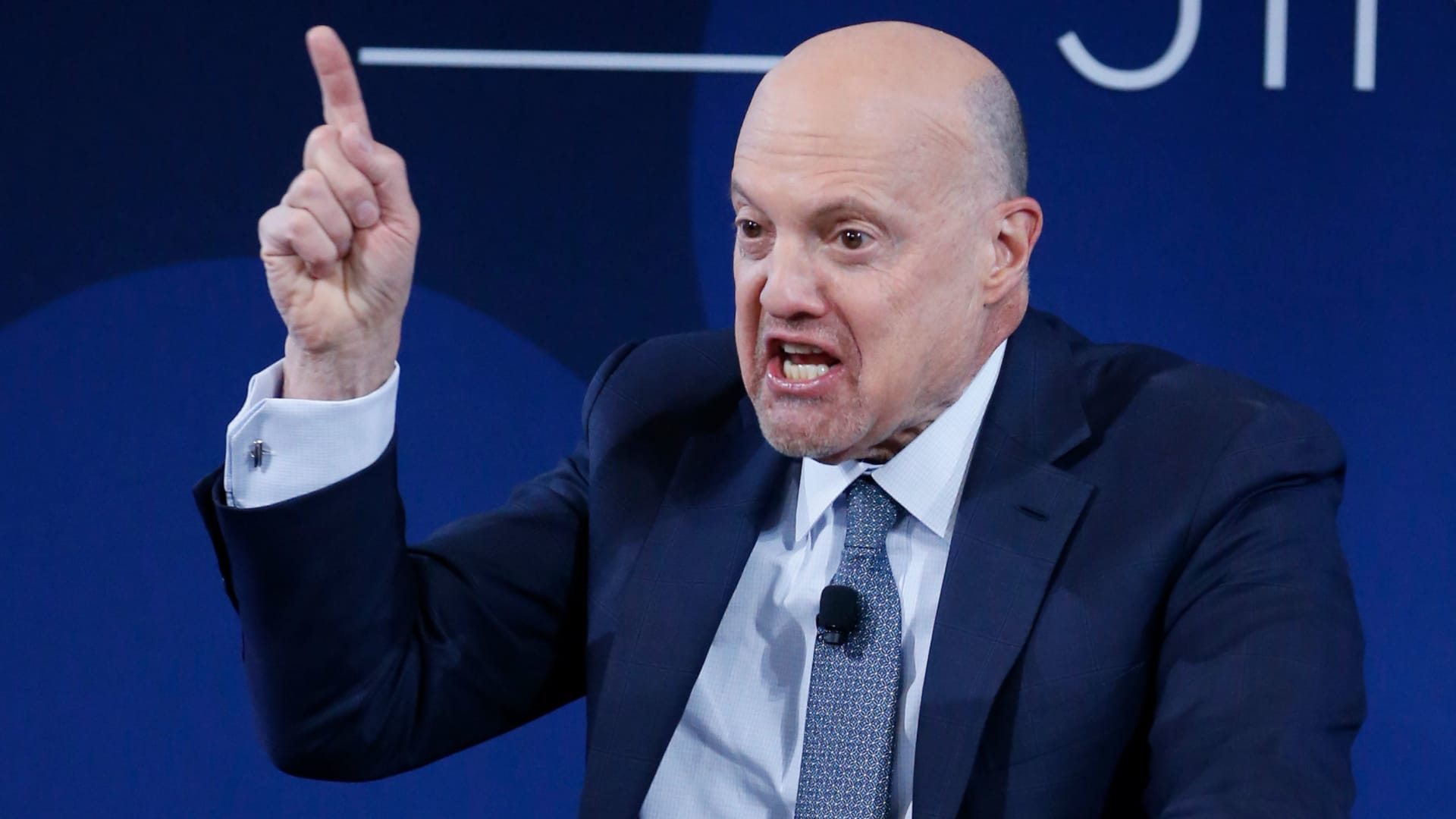
CNBC commentator Jim Cramer maintained that the broader artificial intelligence investment theme remains durable even as the tech-heavy Nasdaq Composite slid into market correction territory. Speaking during the CNBC Investing Club Morning Meeting, Cramer addressed growing investor unease surrounding high-growth technology valuations during the recent market pullback. His assessment pushed back against suggestions that the multi-year rally in AI-linked equities has reached an abrupt structural conclusion.
The remarks were delivered during the club's daily morning broadcast, which streams weekdays at 10:20 a.m. Eastern Time for subscribers. Market participants tuning in to the session were navigating heightened volatility across equity markets as benchmark indexes retreated from previous peaks. Cramer used the platform to evaluate how portfolio managers and retail investors should view long-term secular trends during sharp downward market fluctuations.
A market correction is widely recognized across Wall Street as a decline of at least ten percent from recent peak levels. Such pullbacks frequently trigger widespread reevaluations of high-multiple growth sectors, particularly those that led major indexes to prior record highs. While corrections can rattle short-term sentiment, historical market cycles demonstrate that pullbacks often serve as standard consolidating phases rather than permanent endings to transformative industry trends.
The artificial intelligence trade has served as the dominant driver of broader equity gains, fueling massive capital allocations across hardware developers, infrastructure providers, and software ecosystems. When market conditions sour, however, capital-intensive technology groups often bear the brunt of early selling pressure as investors take profits or rotate into defensive assets. Cramer emphasized that cyclical selling pressures should not be confused with an evaporation of underlying demand for enterprise computing power and automated intelligence platforms.
For active market participants, distinguishing between broad macroeconomic headwinds and company-specific fundamentals is crucial during turbulent trading stretches. Selling waves that accompany an index-level correction can depress share prices across an entire sector regardless of ongoing earnings strength or long-term growth pipelines. Cramer's posture signals a belief that commercial adoption of advanced computing systems continues to expand at an institutional scale despite periodic market disruptions.
Skeptics in the market have frequently questioned whether elevated spending on artificial intelligence infrastructure can quickly deliver commensurate returns on investment. When the Nasdaq enters a correction, these valuation debates intensify as institutional allocators scrutinize future corporate capital expenditures. Cramer's perspective suggests that while short-term multiples may adjust under tighter market liquidity, the strategic imperative for enterprises to modernize digital operations remains intact.
During times of broader index weakness, investment strategists often urge discipline rather than panicky exits from fundamentally sound themes. While speculative positions within the tech complex may encounter prolonged distress, foundational enterprise technology platforms frequently establish durable support levels once panic selling subsides. In this context, market corrections can provide long-term investors with more attractive entry points rather than signaling a complete collapse of structural industry demand.
As the Nasdaq works through its corrective phase, Wall Street watchers will be tracking upcoming corporate quarterly disclosures and executive forward guidance to test Cramer's thesis. Market stability will likely depend on whether enterprise demand for computing capabilities remains resilient against macroeconomic crosscurrents. For now, Cramer's commentary during the morning session reinforces the view that the underlying foundation of the artificial intelligence boom possesses endurance far beyond temporary market volatility.
Primary source: CNBC Markets. Newzly rewrites and structures source reporting for clarity; verify critical details at the original.