Wall Street Rout Triggers Correction and Analyst Sell Alerts
A sharp market rout sent the Nasdaq into correction territory after a 5.52 percent plunge, leading top analysts to issue sell alerts and slash ratings on several high-profile Wall Street favorites.
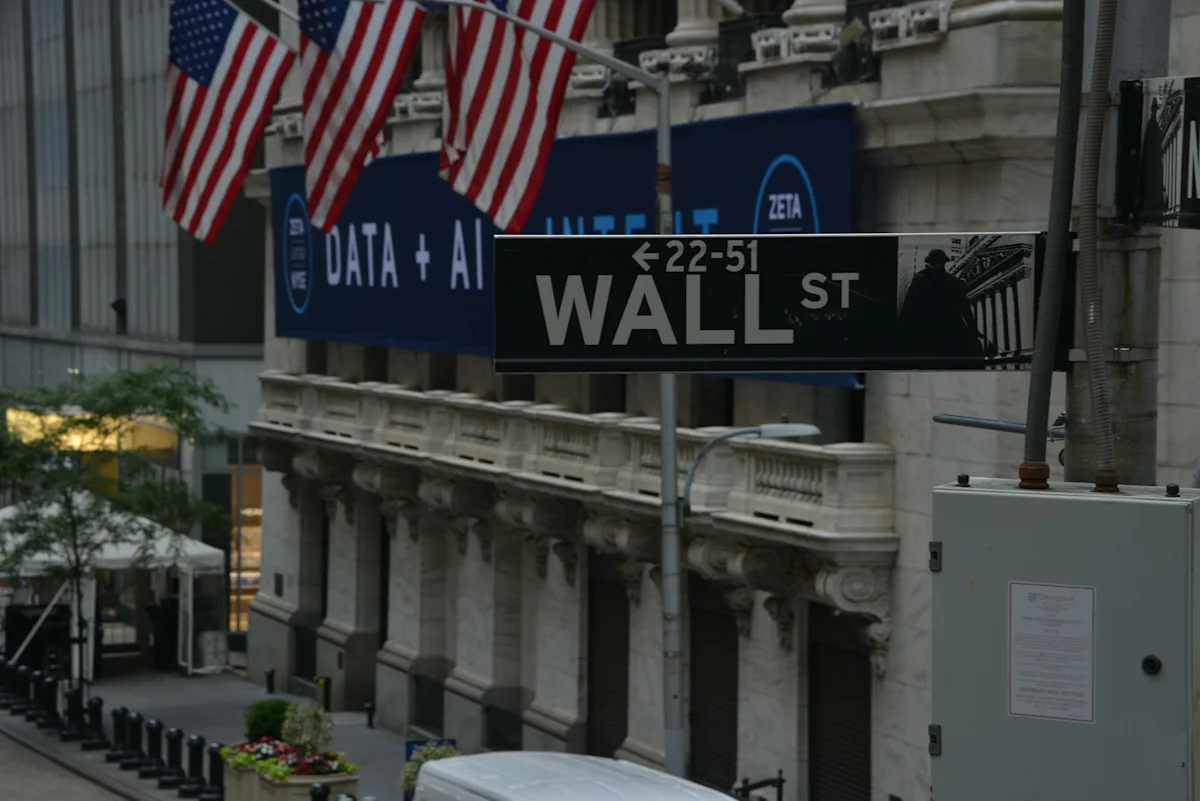
Wall Street endured one of its most punishing trading sessions of the year this week as aggressive selling swept across major benchmark indexes. The intense liquidation drove the technology-heavy Nasdaq Composite into official correction territory, unsettling investors who had grown accustomed to sustained record highs. In the wake of the rout, leading market analysts moved rapidly to cut ratings and advise caution across several high-profile equities.
The downturn accelerated sharply during midweek trading, led by massive outflows from momentum-driven growth shares. According to reporting from Reuters, the Nasdaq Composite plummeted 5.52 percent on November 5, representing its deepest single-day percentage decline in nineteen months. The index finished the turbulent session more than ten percent beneath its record high set on October 6, officially confirming a technical market correction.
Damage from the selling wave extended well beyond growth-oriented technology names, impacting the wider financial landscape. The broad-market S&P 500 index tumbled 4.36 percent in tandem, highlighting a comprehensive pullback that left few corners of the equity universe untouched. Trading volume swelled as institutional desks scrambled to rebalance portfolios and reduce risk exposures amid the sudden market drop.
The emergence of sell ratings and analyst downgrades highlights how quickly sentiment has deteriorated among prominent Wall Street firms. After riding months of bullish momentum, multiple marquee companies faced sharp target price reductions as research analysts reassessed valuation multiples against a shifting market backdrop. Analysts pointed to the fragility of extended valuations when broader macroeconomic and liquidity conditions begin to tighten.
A market correction, defined broadly by market historians as a pullback of ten percent or more from recent peaks, frequently shifts institutional trading psychology. While corrections are recognized as standard and healthy features of ordinary market cycles, the sheer velocity of this week's drop caught many retail and institutional accounts off guard. Such swift downdrafts often disrupt automated trading strategies, triggering cascading stop-loss orders across exchanges.
Market analysts emphasize that the transition from record-setting rallies to technical corrections tends to alter capital allocation strategies across the board. Institutional investors often rotate out of cyclical and speculative high-beta names to preserve capital, channeling liquidity into cash equivalents or defensive sectors. This defensive pivot has historically placed additional downward pressure on former market leaders whose outsized gains had supported the major indexes throughout the preceding months.
The broader implications of the selloff extend to overall investor confidence, which has been shaken by the sudden breakdown of key technical support levels. With the Nasdaq now trading comfortably below its early October peak, chart-focused market observers are monitoring whether the index can establish a durable floor or if further consolidation will be required. Heightened volatility metrics suggest that sharp intraday swings may persist in the immediate term.
Financial commentators note that periods of widespread analyst dumping often generate conflicting interpretations among market participants. While some market strategists view deep pullbacks as necessary resets that clear speculative froth, others warn that aggressive downgrades reflect deeper underlying structural headwinds. The divergence in outlook highlights the prevailing uncertainty across trading desks as market participants attempt to gauge whether fair value has been restored.
Moving forward, market watchers will be closely examining market breadth, trading volume, and institutional flows to determine if stabilizing bids begin to emerge. Continued pressure on bellwether stocks could test secondary support zones, while any sustained rebound will likely require renewed institutional sponsorship and clearer macroeconomic clarity. For now, Wall Street remains on alert as traders and analysts alike assess the lasting fallout of one of the year's most severe market dislocations.
Primary source: Yahoo Finance Markets. Newzly rewrites and structures source reporting for clarity; verify critical details at the original.