Jimmy Tata Breaks Silence on Tata Sons, Backs Chandrasekaran and IPO
Jimmy Naval Tata has broken decades of silence to endorse N. Chandrasekaran for another term as Tata Sons chairman while backing a public listing of the holding company, directly challenging positions taken by Tata Trusts Chairman Noel Tata.
In this piece
Jimmy Naval Tata, the younger brother of Ratan Tata and veteran trustee, has publicly backed N. Chandrasekaran for a third term as Tata Sons chairman. He also…
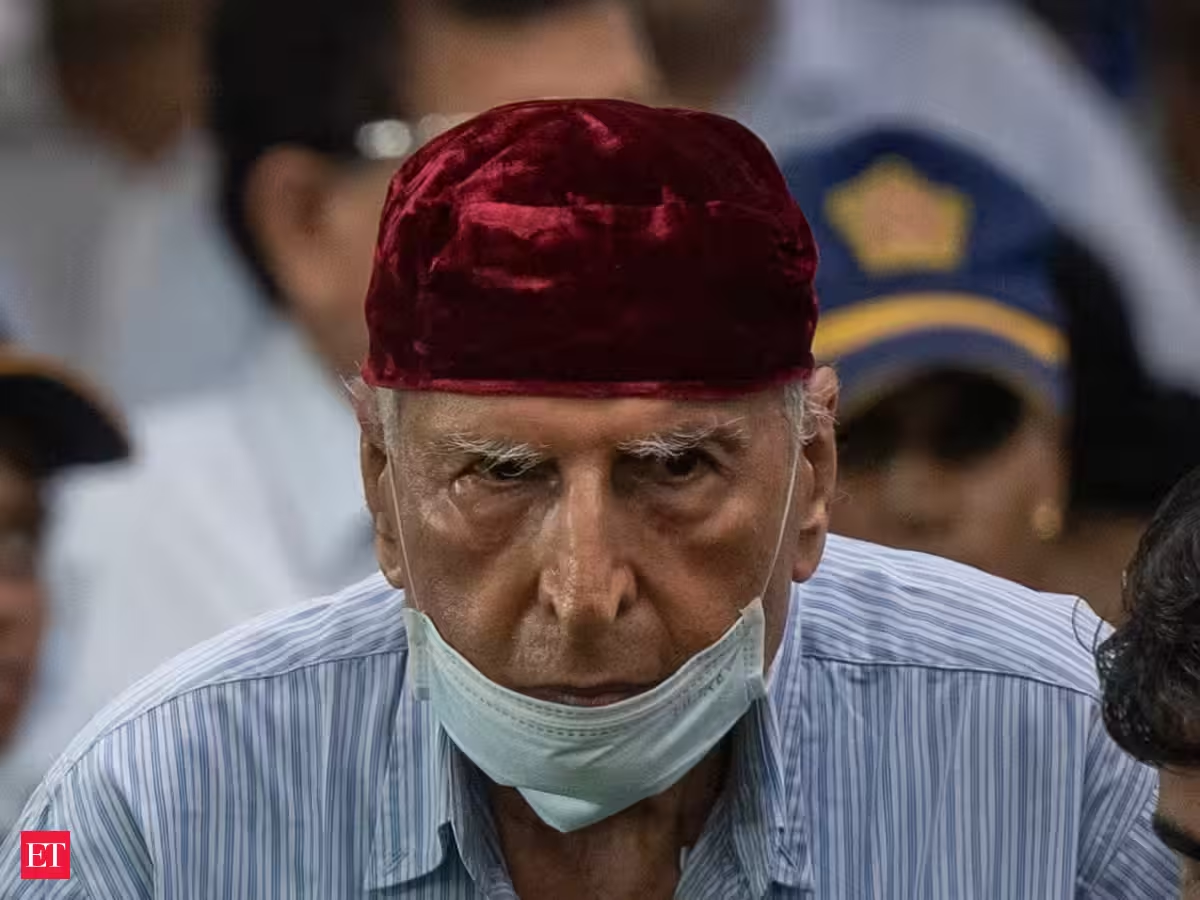
Jimmy Naval Tata, the younger brother of the late industrialist Ratan Tata, has broken decades of silence on corporate governance at the Tata Group, openly backing N. Chandrasekaran to continue as chairman of Tata Sons and supporting the mandatory public listing of the holding company. In an extensive intervention, the veteran trustee directly opposed the stance taken by Tata Trusts Chairman Noel Tata, triggering a rare public divergence among key stakeholders within India's largest conglomerate. His statements mark the first major public friction within the family circle following Ratan Tata's passing.
Jimmy Tata strongly endorsed Chandrasekaran for a third term leading Tata Sons, praising the executive's management of operating companies and steady balance sheet repair. He noted that under Chandrasekaran's leadership, the salt-to-software conglomerate delivered record profitability, disciplined debt reduction, and consistent dividend streams to shareholders. The endorsement arrives at a crucial juncture as discussions around long-term leadership continuity gather pace at Bombay House.
Addressing the ongoing regulatory debate around Tata Sons, Jimmy Tata supported listing the holding company on the stock market in full alignment with the Reserve Bank of India's upper-layer non-banking financial company regulations. He argued that taking the company public would enforce statutory accountability and dismantle what he described as a longstanding culture of opacity. He cautioned against any corporate restructuring or asset-stripping maneuvers engineered solely to evade regulatory listing requirements.
His views stand in stark opposition to the positions adopted by Tata Trusts Chairman Noel Tata, who assumed leadership of the philanthropic entities following Ratan Tata's death. Noel Tata and certain trust representatives have favored keeping Tata Sons closely held and unlisted while examining options to retain traditional operational controls. Jimmy Tata's public comments reveal emerging philosophical divisions over how the group should navigate regulatory scrutiny and corporate governance.
As the longest-serving perpetual trustee of the Sir Ratan Tata Trust, Jimmy Tata voiced sharp concerns regarding deteriorating governance standards and concentrated control within the philanthropic bodies. He criticized recent inductions of family members of current leaders into trust boards, characterizing the moves as an attempt at an indirect takeover of the parent company. According to him, philanthropic trusts must prioritize public welfare rather than serving as vehicles for consolidated corporate dominance.
Jimmy Tata also scrutinized the special veto powers introduced into Tata Sons' Articles of Association roughly a decade ago. He contended that these provisions handed the Tata Trusts chairman disproportionate authority over board decisions, skewing the traditional checks and balances. Instead, he advocated returning to the structural separation between commercial operations and charitable trusts that characterized the conglomerate before 1989.
The Tata Group's unique governance model relies on philanthropic trusts holding an approximate 66 percent equity stake in Tata Sons, which in turn directs the group's listed operating firms. While this structure historically shielded the conglomerate from hostile takeovers and supported nationwide philanthropic initiatives, it has repeatedly faced questions over boardroom transparency. Jimmy Tata's intervention revives debates over whether the holding company should function as a modern publicly governed enterprise or remain under institutional trustee oversight.
The public push for a Tata Sons listing has captured intense interest across Indian capital markets and institutional investor communities. Market analysts have long tracked the holding company's valuation, estimating that an initial public offering would rank among the largest in Indian corporate history and unlock substantial value for minority shareholders. However, the prospect of public scrutiny also means adhering to stringent disclosure norms and broader shareholder voting rights.
With regulatory deadlines under the RBI framework looming, Tata Sons directors and trust members face decisive choices regarding their legal structure and executive leadership. The rare public stance by Jimmy Tata places significant pressure on the board of Tata Trusts to address internal governance questions transparently. Observers and investors will now watch how Bombay House reconciles these contrasting perspectives as it prepares for its next phase of corporate stewardship.
Primary source: Economic Times. Newzly rewrites and structures source reporting for clarity; verify critical details at the original.