world·Massachusetts·Plymouth County
Judge Denies Motion to Dismiss Lindsay Clancy Murder Case, Clearing Path for Retrial
A Massachusetts judge has rejected a defense bid to throw out murder charges against Lindsay Clancy, ruling that a deadlocked jury created sufficient grounds for a retrial in the deaths of her three children.
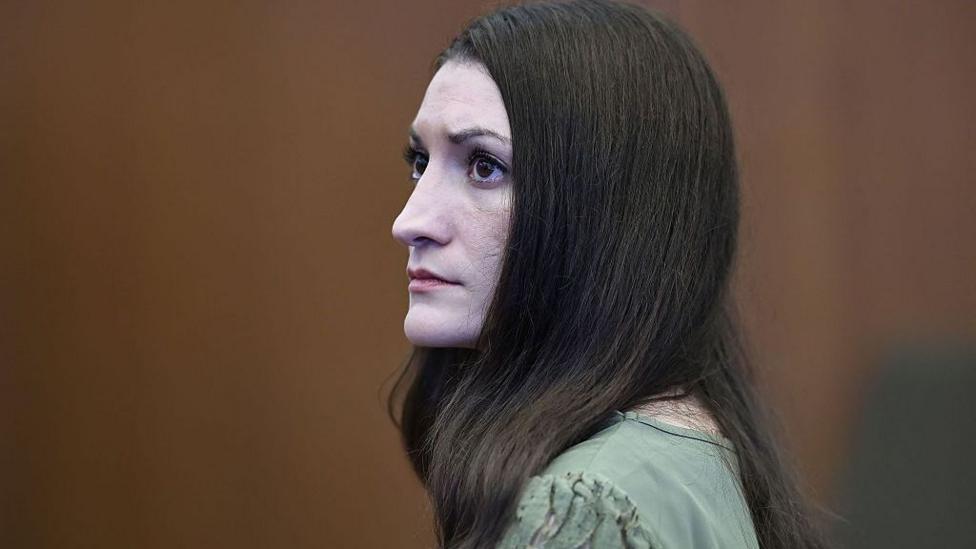
A Massachusetts judge has rejected a defense motion to dismiss murder charges against Lindsay Clancy, clearing the way for prosecutors to retry the case following an earlier mistrial. Plymouth Superior Court Judge William Sullivan issued the ruling after defense attorneys claimed double jeopardy protections should bar a second trial. The decision keeps the high-profile prosecution active as the state prepares its next legal steps.
In his ruling, Judge Sullivan concluded there was a legal manifest necessity to declare a mistrial when the previous jury deadlocked on Clancy's mental competence and criminal responsibility. Defense counsel had argued the court should have dismissed a single holdout juror favoring conviction rather than halting the trial. Sullivan rejected that position, holding that the hung jury justified the mistrial under state and federal law.
The case against Clancy stems from the January 2023 deaths of her three young children at the family home in Duxbury, Massachusetts. Clancy, a former labor and delivery nurse, does not deny causing the deaths of her daughter Cora and sons Dawson and Callan. Following the incident, Clancy jumped from an upper-story window of the residence, sustaining severe injuries that left her paralyzed.
The central legal battle has focused on Clancy's psychological state at the time of the killings. Her defense team presented extensive medical testimony asserting that severe postpartum psychosis rendered her legally insane and unaware of the wrongfulness of her actions. Attorneys emphasized documented medication adjustments and severe depressive episodes leading up to the tragedy.
Prosecutors contended that Clancy acted deliberately, pointing to daily routines, planning, and phone searches to argue that she understood the nature of her conduct. That sharp conflict over her culpability produced an intractable deadlock during jury deliberations at her first trial. The inability of jurors to reach a unanimous verdict led directly to the mistrial.
Sullivan's decision to deny the dismissal motion marks a crucial threshold for the prosecution. Had the defense prevailed on its double jeopardy argument, the charges would have been permanently dismissed. By affirming the validity of the mistrial, the court preserved the state's authority to seat a new jury and present the evidence again.
The case continues to draw national attention, highlighting complex legal and psychiatric questions surrounding maternal mental illness and criminal responsibility. Legal experts note that postpartum psychosis defenses rarely reach trial and present severe challenges for juries tasked with evaluating conflicting expert testimony. The case has also intensified broader public discussions regarding postpartum health care screening and support systems.
State prosecutors are now reviewing their strategic approach ahead of the new proceeding. While the Commonwealth has reaffirmed its intention to retry Clancy, officials are evaluating whether to proceed on the existing indictment or pursue modified charges. Adjusting the charges could provide future jurors with alternative verdict options regarding degrees of criminal culpability.
Judge Sullivan also resolved several other pending matters, including denying a prosecution request for a comprehensive gag order. The court determined that existing professional conduct rules and standard judicial admonitions remain sufficient to ensure fair proceedings. The decision allows attorneys on both sides to communicate within customary legal boundaries without additional court-ordered restrictions.
The case will return to Plymouth Superior Court on November 16 for a pretrial conference to address scheduling and procedural motions. Setting a retrial date will require coordinating extensive witness schedules, including the numerous psychiatric specialists expected to testify. Both sides are expected to spend the coming months refining their arguments before jury selection begins.
Primary source: BBC World. Newzly rewrites and structures source reporting for clarity; verify critical details at the original.