Judge Dismisses Trump's Lawsuit Against Wall Street Journal Over Epstein Birthday Book
A judge has dismissed Donald Trump's lawsuit against The Wall Street Journal over an article detailing an alleged letter to Jeffrey Epstein included in a birthday book.
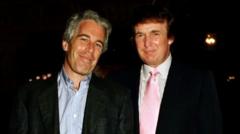
A judge has dismissed a lawsuit brought by Donald Trump against The Wall Street Journal over the newspaper's publication of an alleged letter linked to Jeffrey Epstein. The court decision brings an end to the legal challenge filed after the news outlet reported on correspondence purportedly written and signed by Trump as part of an Epstein birthday book.
The litigation stemmed from a report examining a commemorative collection assembled for the late financier, which featured a note attributed to Trump. Trump moved against the media outlet in court to challenge the story, disputing the presentation of the material and seeking legal redress over the characterization of his alleged communication.
Legal actions of this nature face significant procedural and substantive barriers under American jurisprudence. Public figures pursuing defamation claims must clear rigorous constitutional standards established to safeguard free reporting on matters of public interest. Plaintiffs are required to show that a media organization acted with actual malice by knowingly publishing false information or acting with reckless disregard for the truth.
By dismissing the lawsuit, the presiding judge determined that the complaint did not meet the necessary legal threshold required to move the proceedings into an active trial or discovery phase. Threshold dismissals in press disputes typically signify that the allegations presented in the complaint fail as a matter of law to sustain a viable cause of action against the publishing entity.
The reporting in question formed part of wider media coverage examining Epstein's historical circles and relationships across politics, finance, and society. Because documents, memorabilia, and correspondence linked to Epstein remain the subject of intense public interest, reporting on archival materials often draws intense pushback from individuals mentioned in such records.
The Wall Street Journal, a major national news organization, has regularly defended its investigative reporting and editorial protocols against legal challenges. Newsrooms frequently face litigation when reporting on high-profile figures, relying on established newsgathering processes and constitutional free speech guarantees to protect their published work.
The lawsuit aligns with a broader pattern of Trump utilizing the court system to challenge press coverage and investigative accounts. Over decades in public life, the former president has repeatedly initiated or threatened defamation proceedings against leading media outlets, though many such suits have ultimately been dismissed under First Amendment protections.
Media law analysts view judicial dismissals in high-profile libel litigation as crucial affirmations of press freedoms. When courts decline to let defamation lawsuits advance without compelling evidence of malice, it reinforces protections for journalists reporting on political figures and records of significant historical interest.
While the judge's ruling delivers a decisive victory to the media outlet, plaintiffs whose lawsuits are dismissed generally hold the procedural right to appeal the outcome to a higher court. Neither Trump's legal representatives nor the publisher has publicly detailed subsequent court maneuvers, leaving open the question of whether an appeal will be pursued or if the dismissal will mark the definitive conclusion of the dispute.
Primary source: BBC World. Newzly rewrites and structures source reporting for clarity; verify critical details at the original.