University of Cambridge Scientist Marta Shahbazi Dies in Spanish Train Collision
Dr. Marta Shahbazi, an acclaimed University of Cambridge developmental biologist, has died in a high-speed train collision in central Spain while traveling to receive a prestigious scientific excellence award.
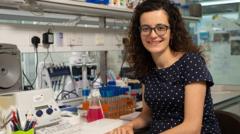
Dr. Marta Shahbazi, a prominent University of Cambridge scientist and pioneering developmental biologist, was among those killed in a catastrophic high-speed train collision in central Spain. Her death was confirmed after Spanish emergency authorities and academic institutions identified victims from the fatal crash south of Madrid.
The 41-year-old researcher was traveling through Toledo province toward southern Spain when the incident occurred near the town of Urda. According to transport officials, a high-speed passenger train struck the rear of another stationary train on the line, triggering a severe impact that caused dozens of fatalities and injured numerous passengers.
Colleagues and research institutions expressed profound grief following the announcement, hailing Shahbazi as an exceptional figure in modern life sciences. The MRC Laboratory of Molecular Biology in Cambridge, where she led a dedicated research group, described her as an inspiring, talented, and passionate scientist whose loss leaves an immense void in the scientific community.
Shahbazi was journeying to Andalusia to accept a scientific excellence prize from the Spanish Society for Developmental Biology. The honor recognized her groundbreaking investigations into early embryonic development, cellular self-organization, and stem cell biology, work that had garnered international acclaim across academic circles.
An affiliate associate professor at the University of Cambridge, Shahbazi established herself as a leading international authority on how mammalian embryos organize themselves during the earliest phases of life. Her team's studies provided vital insights into the mechanisms governing implantation and early development, offering crucial foundational knowledge for reproductive medicine.
Beyond her laboratory achievements, peers remembered Shahbazi as a generous mentor and an empowering role model for younger researchers, particularly women balancing academic careers with family life. Tributes from fellow academics highlighted her commitment to fostering inclusive research environments and advocating for mothers in science.
The disaster in Toledo province has shaken Spain's rail sector, prompting flags to be lowered and tributes to be paid across transport hubs and academic centers. Emergency responders worked through difficult conditions at the crash site to recover victims, assist survivors, and secure the busy high-speed corridor connecting Madrid to the southern regions.
Spanish transport safety investigators and judicial authorities have opened an exhaustive probe to establish the technical and operational failures that allowed two high-speed trains to collide on the track. Railway operators and safety agencies are reviewing signaling protocols, track automation systems, and emergency communication procedures to prevent similar catastrophes in the future.
The University of Cambridge and the MRC Laboratory of Molecular Biology are preparing institutional commemorations to honor Shahbazi's legacy and celebrate her lasting contributions to developmental biology. Colleagues have pledged to support her laboratory members and continue the vital research programs she established, ensuring her scientific vision endures.
Primary source: BBC World. Newzly rewrites and structures source reporting for clarity; verify critical details at the original.