Karnataka High Court Disposes of Plea on Sacred Threads in CET
The Karnataka High Court closed a plea on CET frisking after the state examination authority confirmed no rule requires students to remove their sacred threads and pledged uniform testing protocols.
In this piece
The Karnataka High Court has disposed of a petition concerning the removal of sacred threads during CET exams after authorities confirmed no such rule exists.…
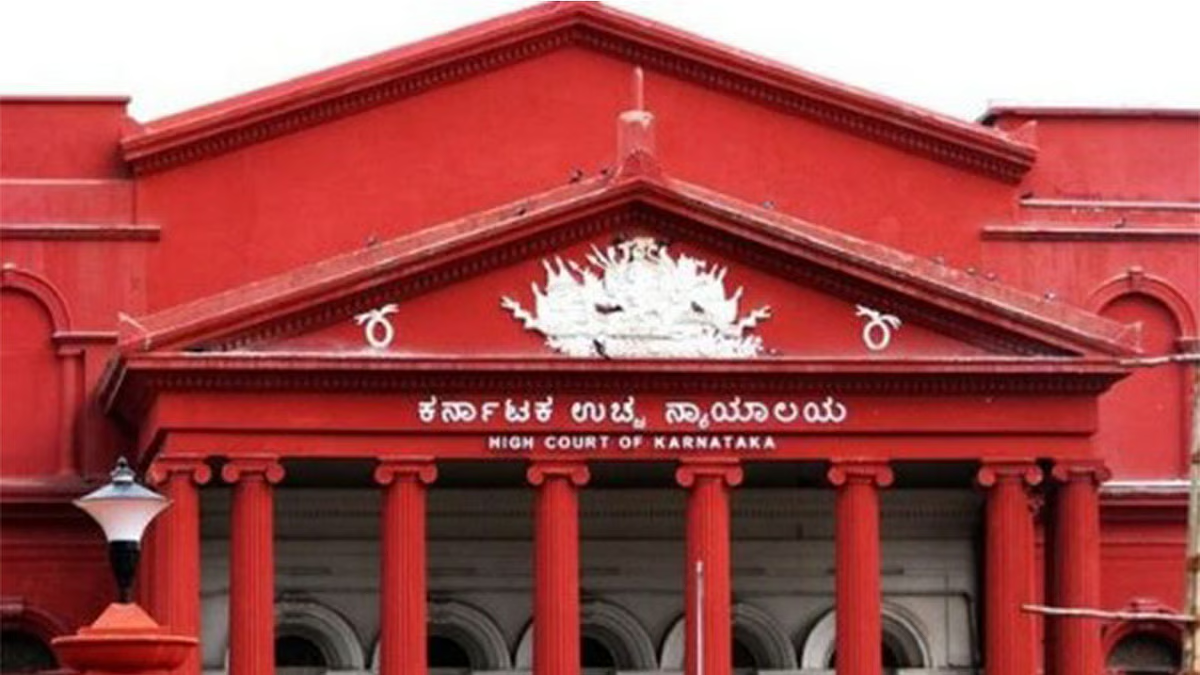
The Karnataka High Court has disposed of a public interest litigation seeking safeguards against the forced removal of sacred threads during state entrance examinations, following formal assurances from the Karnataka Examinations Authority that no such rule exists. A division bench comprising Justice Anu Sivaraman and Justice K.S. Bharath Kumar recorded the testing agency's submission and directed authorities to conduct all future examinations uniformly without causing distress to candidates.
The legal proceedings originated from a petition filed by the Akhila Karnataka Brahmana Maha Sabha, which highlighted instances where students were reportedly asked to remove their sacred threads, known as the janivara or yajnopavita, before entering examination halls. The community organisation argued that the practice violated the religious sentiments and personal dignity of candidates appearing for the Karnataka Common Entrance Test.
Reports of students being instructed to take off or cut their threads had surfaced from several exam venues across the state, including centres in Bidar, Shivamogga, and Dharwad, during recent testing cycles. These incidents triggered public debate and formal representations from community leaders, who questioned the rationale of targeting customary religious articles during pre-examination security screenings.
In response to the petition, the Karnataka Examinations Authority clarified before the High Court that it has never framed any guidelines or issued instructions directing candidates to remove their sacred threads. Officials submitted that security protocols are intended strictly to detect unauthorized electronic devices and prevent malpractice, rather than to restrict customary religious items.
The examination authority informed the bench that it viewed past incidents as isolated deviations by local personnel and had taken immediate steps to prevent recurrence. Clarifications and operational protocols are being reissued to Deputy Commissioners, Chief Superintendents, and invigilation staff across all districts to ensure that center-level personnel do not enforce unauthorized restrictions during frisking.
Accepting the submissions and formal statements provided by the examination body, the division bench closed the public interest litigation without passing adversarial orders. The court emphasized that the state government and testing administrators must remain vigilant in ensuring that entrance examinations are conducted in an orderly and standardized manner across every venue.
The dispute highlights ongoing administrative challenges surrounding security checks and dress codes at high-stakes competitive examinations across the country. While testing agencies face mounting pressure to prevent cheating and curb unauthorized electronic devices, civil society groups have consistently urged officials to balance security requirements with sensitivity toward religious customs.
Education experts and community leaders observed that transparent institutional communication is critical to preventing procedural confusion and unnecessary student stress on examination days. With the High Court recording the testing body's explicit clarification on file, future Common Entrance Test candidates across Karnataka are expected to undergo uniform security screenings without interference with their sacred threads.
Primary source: Google News Karnataka. Newzly rewrites and structures source reporting for clarity; verify critical details at the original.