Karnataka Moves Supreme Court to Halt Tamil Nadu's Cauvery-Vaigai-Gundar Link Project
Karnataka has moved the Supreme Court seeking an injunction against Tamil Nadu's Cauvery-Vaigai-Gundar link project, alleging unilateral construction is underway without mandatory statutory clearances and central government approval.
In this piece
The Karnataka government has approached the Supreme Court seeking an immediate injunction to halt construction on Tamil Nadu's Cauvery-Vaigai-Gundar…
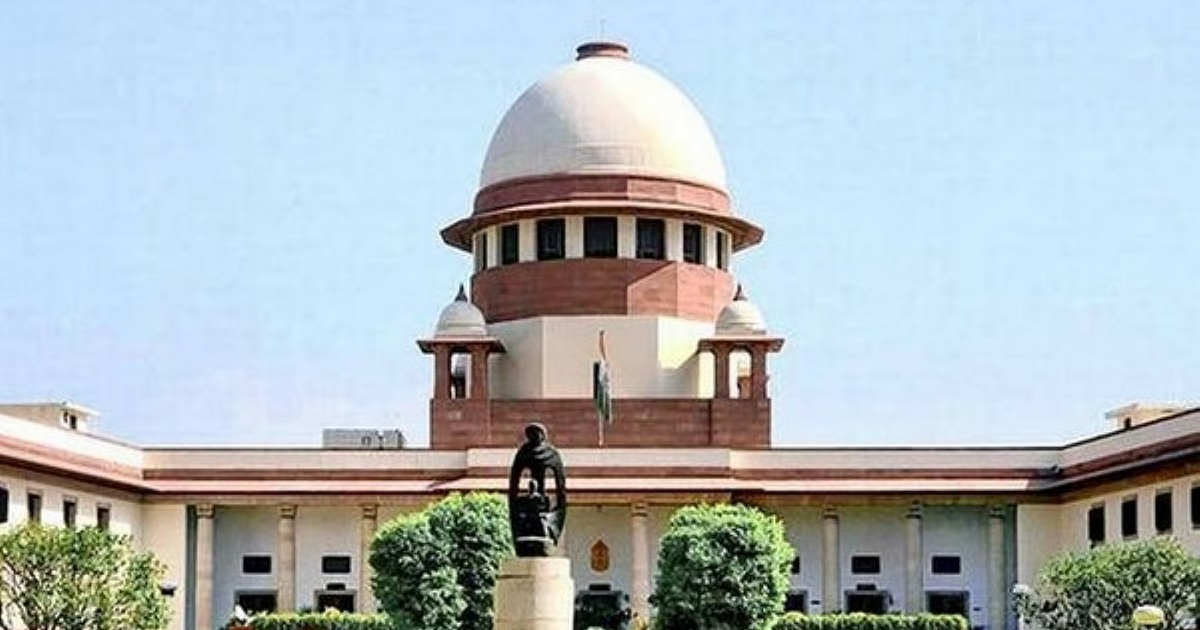
The Karnataka government has approached the Supreme Court seeking an interim injunction to restrain Tamil Nadu from proceeding with the Cauvery-Vaigai-Gundar river-linking project. In an urgent interim application filed before the apex court, Karnataka urged the judiciary to direct both Tamil Nadu and the Union government to halt all preliminary and ongoing construction activities across the project's phases. The plea marks a fresh escalation in the protracted inter-state water dispute between the two southern neighbors.
According to Karnataka's application, Tamil Nadu is actively executing works related to Phase I of the project without obtaining mandatory statutory clearances or in-principle approval from the Central Water Commission and the central government. The state argued that the lower riparian state cannot unilaterally proceed with linking river basins using surplus waters of the inter-state Cauvery basin. Karnataka contended that such unapproved works infringe upon its legal entitlements and violate established inter-state water sharing frameworks.
The legal action is tied to an original suit originally instituted by Karnataka before the Supreme Court in 2021 challenging the ambitious river-diversion scheme. Karnataka noted that a previous interim plea had been disposed of in early 2025 following assurances that requisite central approvals had not been accorded to the project. However, the state submitted that fresh developments compelled it to seek immediate judicial intervention to prevent what it described as irreversible ground realities.
Karnataka stated that it recently discovered ongoing ground execution through a judicial order issued by the Madurai Bench of the Madras High Court in August 2024. In that proceeding, a status report submitted by Tamil Nadu authorities indicated that physical execution and land acquisition for segments of Phase I had been carried out since early 2021. Karnataka emphasized that this disclosure revealed substantial progress had been made despite the state’s formal objections and pending litigation.
The Cauvery (Kattalai)–South Vellar–Vaigai–Gundar intra-state link project is designed to divert water from the Mayanur barrage across the Cauvery to water-stressed southern districts in Tamil Nadu. The multi-phase project envisions constructing an extensive canal network stretching hundreds of kilometers to transfer surplus flows across multiple river basins. While Tamil Nadu has championed the initiative as vital for drinking water and irrigation in arid areas, upper riparian Karnataka maintains that surplus availability cannot be determined unilaterally.
In its plea, Karnataka asserted that the unilateral utilization of surplus river flows prejudices its rights in the substantive dispute pending before the apex court. The state argued that allowing a lower riparian state to create physical infrastructure without central appraisal effectively pre-empts future water allocation decisions. Karnataka underscored that any surplus flow originating within its territory must be subject to equitable apportionment rather than unilateral appropriation.
The dispute highlights longstanding friction over infrastructure development and water security along the Cauvery river system. Both states have frequently traded legal challenges over proposed barrages, reservoir schemes, and diversion channels along the river course. Karnataka has often pointed out that while its own proposed initiatives, such as the Mekedatu balancing reservoir project, face intense scrutiny and objections, downstream projects must adhere to identical statutory requirements.
Water sharing along the Cauvery has historically remained governed by tribunal determinations and subsequent apex court rulings establishing strict monthly release schedules. When monsoon rainfall fluctuates or deficits emerge, tensions typically flare regarding the exact quantum of water flowing across inter-state boundaries. By seeking an injunction against the Gundar link, Karnataka aims to ensure that river basin connectivity schemes do not proceed ahead of comprehensive statutory vetting and judicial review.
The matter is expected to be listed before the Supreme Court for preliminary consideration and directions to the contesting respondents. The court will likely examine the submissions concerning whether active construction is taking place in the absence of central clearances. As the apex court takes up the application, the outcome could set an important benchmark for how inter-state river diversion and linking projects are regulated across India.
Primary source: Google News Karnataka. Newzly rewrites and structures source reporting for clarity; verify critical details at the original.