Karnataka's Voice in Parliament at Risk Under Delimitation Plan, Warns Deputy CM
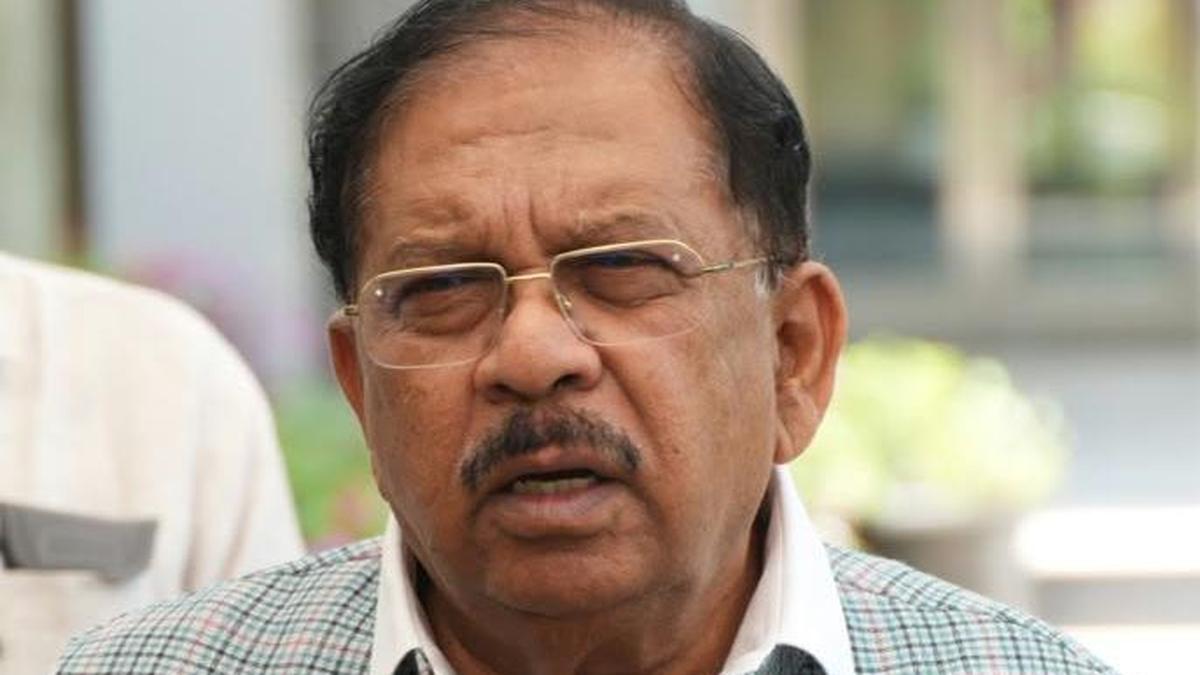
Karnataka Deputy Chief Minister Dr. G. Parameshwara warned that proposed parliamentary delimitation could dilute the state's political clout, arguing that expanding seat numbers without federal safeguards will widen the representation gap with northern states.
In this piece
Karnataka Deputy Chief Minister Dr. G. Parameshwara has raised serious concerns over parliamentary delimitation proposals, cautioning that rapid seat growth in…
Karnataka Deputy Chief Minister Dr. G. Parameshwara has raised serious concerns regarding the state's political voice in the Parliament of India, warning that proposed parliamentary delimitation models could diminish southern representation. Speaking in response to national delimitation proposals, Parameshwara cautioned that simply increasing raw seat counts will not protect regional interests if seat allocations widen political disparities between states.
Under a proposed fifty percent expansion framework, Karnataka's representation in the Lok Sabha would increase from twenty-eight seats to forty-two seats. However, more populous northern states would see far steeper gains, with Uttar Pradesh projected to jump from eighty seats to one hundred twenty seats. That adjustment would expand the numerical divide between Karnataka and Uttar Pradesh from fifty-two seats to seventy-eight seats, reducing the southern state's relative weight in national decision-making.
Parameshwara emphasized that an absolute rise in seat numbers does not inherently translate into greater political leverage or effective constitutional protection. He argued that equitable representation remains vital to safeguarding Karnataka's developmental goals, regional identity, and legislative standing in New Delhi. Without structural safeguards, southern states risk seeing their collective influence diluted in the lower house of Parliament.
The debate highlights longstanding friction over India's demographic policies and federal balance. Leaders across southern India have consistently argued that states that successfully carried out national family planning and population stabilization directives should not be penalized with reduced parliamentary clout. A purely population-based redistribution threatens to reward states with higher fertility rates while sidelining those that achieved demographic stability.
Former Chief Minister Siddaramaiah echoed these concerns, questioning how the proposed delimitation framework accounts for states that rigorously managed population growth. Siddaramaiah demanded political justice and federal equity, urging that the central government convene an all-party meeting to transparently review the underlying rationale of the exercise. He also called upon Karnataka's members of Parliament across party lines to unite in defense of the state's legitimate federal interests.
The debate has drawn divergent reactions across Karnataka's political spectrum. Union Minister and Janata Dal (Secular) leader H.D. Kumaraswamy voiced support for the delimitation legislation, presenting a contrasting perspective on the expansion. Kumaraswamy contended that adding parliamentary constituencies would ultimately seat more representatives from Karnataka in the Lok Sabha, arguing that seat expansion would not necessarily undermine the state's standing.
The dispute over seat allocation reaches beyond legislative voting numbers into fiscal federalism and national policy priorities. Southern states contribute substantial tax revenue to the national exchequer and have repeatedly voiced grievances over central devolution formulas. Diminished legislative representation could further weaken their negotiating leverage when revenue sharing, resource allocation, and key development policies are determined in Parliament.
India's parliamentary constituency boundaries have remained pegged to the 1971 census under successive constitutional amendments intended to prevent penalizing states with effective population management. As the freeze nears its expiration and calls for fresh delimitation grow, southern leaders are intensifying demands for an alternative formula. Regional policymakers argue that any future reallocation must balance democratic parity with federal stability.
Looking ahead, the delimitation debate is expected to remain a central flashpoint between southern state governments and the central administration. Karnataka's leaders are pushing to build broader consensus and ensure that regional concerns are addressed before legislative proposals advance in Parliament. As discussions continue, political observers note that resolving the tension between democratic proportionality and federal fairness will be crucial for national cohesion.
Primary source: Google News Karnataka. Newzly rewrites and structures source reporting for clarity; verify critical details at the original.