Kevin Warsh Rate Hike Expectations Signal Tougher Climate for Stocks and Retirees
With futures pricing a 78% chance of a December rate hike despite recent market declines, investors are being cautioned that the Federal Reserve may not intervene to support equities.
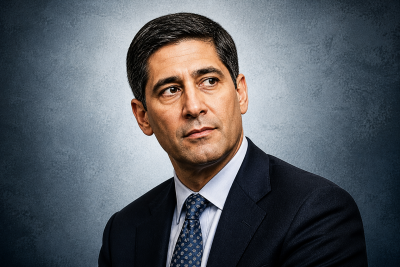
Financial markets are adjusting to growing expectations of tighter monetary policy, as traders price in a roughly 78% probability of an interest rate increase at the Federal Reserve's upcoming December 9 meeting. The shift in sentiment followed Friday's employment report, even as the benchmark S&P 500 index remains approximately 5.6% beneath its October peak.
The anticipated tightening under policy discussions associated with figures such as Kevin Warsh highlights an environment where central bank policymakers appear unwilling to step in to cushion broader equities. For retirement savers and investors reliant on passive asset growth, the dynamic signals that the era of dependable monetary easing during market pullbacks may not materialize.
Historical precedence shows that tightening policy amid equity declines is unusual but far from unprecedented. Since 2000, the Federal Reserve has enacted rate hikes into a declining stock market on 14 separate occasions, demonstrating that broader macroeconomic mandates and inflation management often take precedence over short-term market stability.
Each of those historical instances created pronounced friction across risk assets, as borrowing costs climbed despite existing downward pressure on asset valuations. When the central bank prioritizes stabilizing labor conditions or managing price stability over equity benchmarks, market participants are forced to recalibrate their return assumptions without the expectation of an immediate policy reversal.
The vulnerability of conventional portfolio structures was acutely demonstrated in 2022, when simultaneous declines across equities and fixed income severely eroded conservative wealth strategies. Portfolio modeling from that period showed that even balanced allocations, such as a retired couple maintaining $1,800,000 across stocks, bonds, and cash reserves, faced steep drawdowns as traditional bond hedges failed to offset falling equity prices.
That episode underscored a fundamental shift in retirement planning, illustrating that holding a basic mix of public equities and debt no longer guarantees insulation during rate-hiking cycles. When interest rates climb, fixed-income yields eventually adjust higher, but existing bond holdings suffer capital losses alongside declining equities.
Market strategists emphasize that navigating such macroeconomic headwinds requires structured asset allocation strategies that operate independently of central bank rescues. Financial plans built without reliance on an accommodative Federal Reserve typically emphasize disciplined cash flow buffers, duration management in fixed income, and realistic withdrawal rates that can withstand sustained equity drawdowns.
Looking ahead to the December 9 rate decision, investors and market analysts will closely monitor forthcoming macroeconomic indicators and Federal Reserve communications to assess the terminal path of interest rates. With futures markets assigning significant probability to further tightening, the policy path will test whether asset prices can stabilize without monetary stimulus as year-end trading approaches.
Primary source: Yahoo Finance Markets. Newzly rewrites and structures source reporting for clarity; verify critical details at the original.