Khambhat Farmer Says Electric Sensations Under PowerGrid Line Keep Workers Away
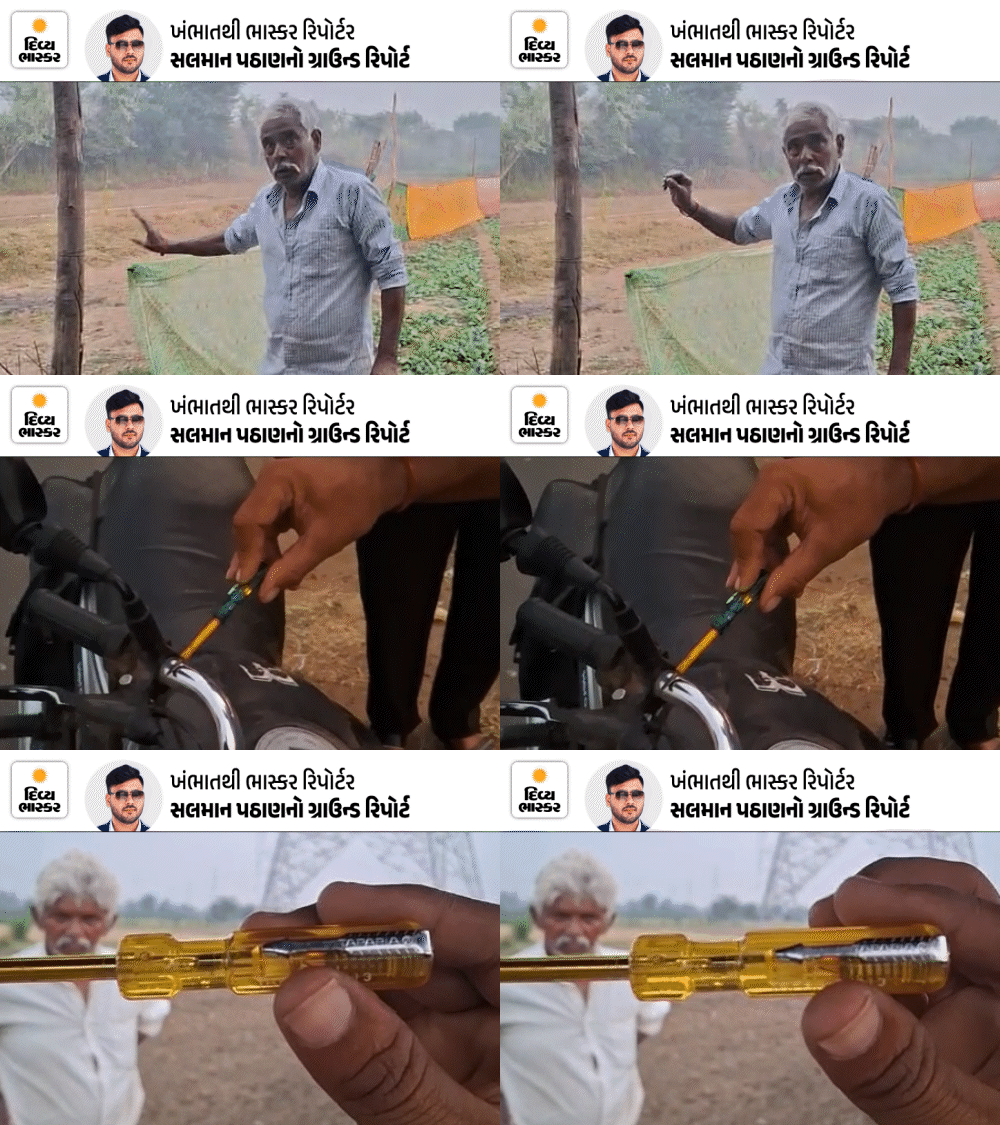
A farmer in Gujarat’s Khambhat area says electric sensations in fields beneath a 765 kV PowerGrid line are deterring labourers, while an official described the effect as normal induction, Divya Bhaskar reported.
In this piece
Divya Bhaskar reported a farmer’s complaint that labourers are staying away from fields beneath a 765 kV PowerGrid transmission line in Gujarat’s Khambhat area…
A farmer in Gujarat’s Khambhat area says workers are unwilling to enter agricultural fields beneath a 765 kV PowerGrid transmission line because they experience electric sensations there, according to Divya Bhaskar. An official quoted in the report’s headline described the phenomenon as normal induction, offering a different characterization of the farmer’s concern.
The Gujarati newspaper presented the story as a reporter’s on-site reality check beneath the high-voltage line. However, the material supplied for this article consists only of the headline and a link, without the reporter’s observations, technical readings or the full responses from those involved.
The farmer’s complaint centers on the ability to get agricultural work done, rather than solely on the presence of transmission infrastructure. According to the headline, the perceived current in the fields has discouraged labourers from coming to work, making the issue an immediate concern for the farmer’s use of the land.
The official’s description of the effect as normal induction is the only technical explanation included in the supplied material. It does not establish what the farmer or workers experienced, how the effect was assessed, or whether any measurements were taken at the location described in the report.
The distinction between a reported electric sensation and a verified electrical hazard is important to interpreting the complaint. The available excerpt does not provide enough evidence to determine the source, strength or safety implications of the reported effect, and the official’s brief characterization cannot substitute for those missing details.
The account also leaves the scale of the problem unclear. Although the headline describes a farmer saying that no labourers come because of the sensations, it does not establish how many workers were approached, how much land is affected, or how long the difficulty has continued. Those limits mean the complaint should not be treated as evidence of conditions across the wider Khambhat area.
For the farmer, the reported reluctance of workers gives the dispute a practical dimension regardless of the terminology used to explain it. An explanation of induction and an assessment of working conditions would address different parts of the concern: what causes the sensation, and what it means for people working beneath the line.
The supplied material does not identify any planned inspection, corrective action or timetable for a further response. The outstanding questions are whether site-specific findings support the official’s explanation and whether those findings address the farmer’s account of labourers staying away. Until further details are available, the report documents a local complaint and an official response, not a conclusive safety determination.
Primary source: Divya Bhaskar Gujarat. Newzly rewrites and structures source reporting for clarity; verify critical details at the original.