King tides bring record flooding to West Coast during Thanksgiving week
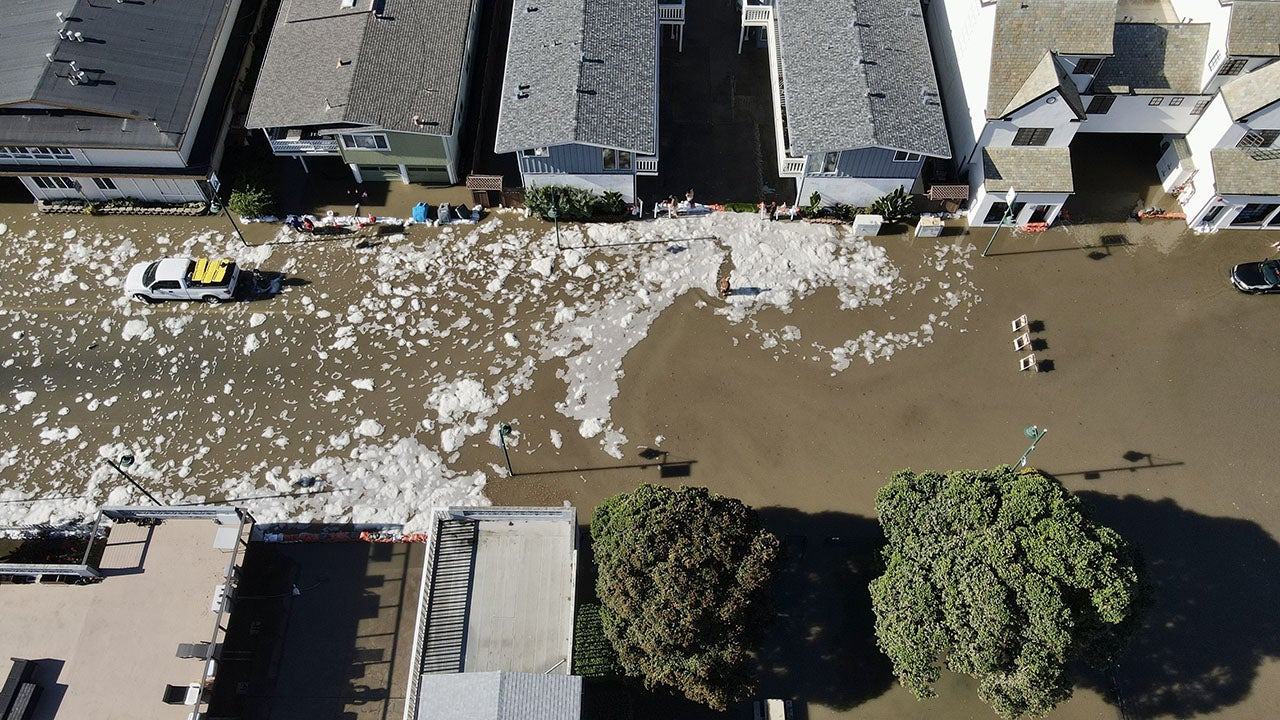
King tides brought record flooding to the U.S. West Coast during Thanksgiving week, The Weather Channel reported, highlighting the exposure of low-lying coastal areas to unusually high water.
In this piece
The Weather Channel reported record flooding associated with king tides along the West Coast during Thanksgiving week. The supplied report does not identify…
King tides brought record flooding to the U.S. West Coast during Thanksgiving week, according to a headline published by The Weather Channel. The report connects the flooding to unusually high tides, but the supplied material does not identify the communities affected or provide measurements documenting the records.
The available source consists of a headline and a link to the report, rather than the underlying article. It does not specify the year, the dates of the highest water or whether the reported records concerned individual tide gauges. Those omissions limit how precisely the event’s location, timing and severity can be described.
King tide is a commonly used, informal term for exceptionally high astronomical tides. Tides respond primarily to the gravitational pull of the moon and sun, with their height also influenced by the bodies’ relative positions and distances. These predictable cycles can push coastal water levels above those seen during ordinary high tides.
An unusually high tide can allow water to reach low-lying ground that normally remains dry. Local geography, shoreline conditions and drainage influence where flooding develops and how quickly water recedes. Flooding therefore can vary considerably between nearby coastal areas, making a broad regional description insufficient to establish conditions in any particular neighborhood.
Astronomical tides are only one influence on the water levels experienced along a coast. Wind, atmospheric pressure, waves and other ocean conditions can add to or alter their effects. The supplied report does not establish whether any of those factors contributed to this event, so the flooding cannot be attributed to a particular combination beyond the headline’s reference to king tides.
The description of the flooding as record-setting also requires local context. A record could refer to the highest observed water level at a particular monitoring station or another defined measure, and its significance depends on the observation period. Without those details, the headline should not be read as establishing a single flooding record for the entire West Coast.
The Thanksgiving-week timing places the reported event during a major holiday period, when coastal flooding can complicate access to vulnerable locations. However, the supplied material does not confirm road closures, travel disruption, evacuations, injuries or property damage. It also provides no basis for estimating how many people were affected or how long flooding persisted.
Further reporting and location-specific observations would be needed to establish which records were broken and what consequences followed. For any continuing risk, local tide forecasts and official coastal flood advisories would provide more useful guidance than the regional headline alone. The available source does not say whether additional flooding was expected after the reported holiday-week event.
Primary source: Google News California. Newzly rewrites and structures source reporting for clarity; verify critical details at the original.