Banana Producers in Latin America Seek Higher Pay Amid Climate Crisis and El Niño
Latin American banana growers are demanding better pay to withstand severe climate disruptions as super El Niño weather batters key regional suppliers with damaging winds, torrential rain, and impending droughts.
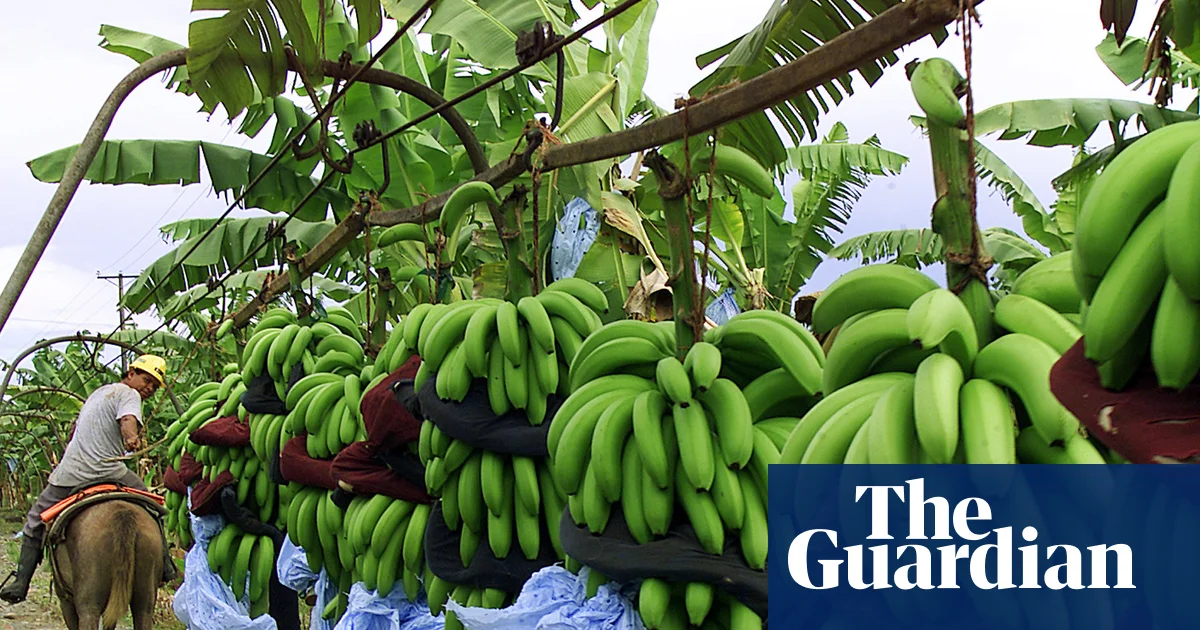
Banana producers across Latin America are urging international buyers and retailers to provide better pay to help growers manage the escalating financial toll of the climate crisis. The appeal comes as agricultural communities face sharp decreases in harvest yields driven by extreme weather patterns linked to this year's super El Niño event.
According to reports from the Fairtrade Foundation, an ethical trade organization monitoring agricultural supply chains, volatile climatic conditions are already disrupting banana cultivation in several key export nations. The group noted that shifting meteorological phenomena are creating acute operational challenges for farming operations that operate on narrow commercial margins.
In Colombia, recognized as one of the primary banana suppliers to the United Kingdom, production is being battered by damaging high winds in multiple growing regions. Forecasters and trade monitors have also warned that parts of the South American nation face looming droughts later this year, threatening prolonged stress on crop health.
Further south along the Pacific coast, growers in Ecuador and Peru are contending with intense, heavy rainfall that has already begun to impair plantation productivity. Persistent downpours can damage delicate root systems, degrade soil quality, and hinder transport logistics required to move fresh fruit from field to port.
The Caribbean basin faces a contrasting but equally severe set of weather pressures. In the Dominican Republic, banana farmers are bracing for widespread drought conditions, with meteorological forecasts indicating sustained spells of drier and warmer weather than historical averages.
These diverging weather extremes highlight the complex meteorological footprint of the super El Niño cycle across equatorial and tropical farming belts. While some agricultural zones are subjected to waterlogging and soil saturation, neighbouring territories are forced to navigate parched fields and severe moisture deficits.
The compounding weather shocks carry significant economic implications for both smallholder farmers and commercial estates that rely on steady production cycles. Without enhanced financial compensation or higher purchasing prices, producers warn that sustaining daily farm maintenance and investing in protective climate adaptations will become increasingly unfeasible.
The vulnerability of regional banana production also carries broader ramifications for international food supply chains and consumer pricing in major import markets. Retailers in countries such as the UK depend heavily on steady shipments from Latin American suppliers to maintain consistent shelf availability and stable grocery pricing.
Advocates for fair trade emphasize that the burden of climate adaptation currently falls disproportionately on primary growers rather than distributors or retail supermarket chains. Calls for better compensation reflect a growing push within international commerce to adjust contractual pricing structures so that growers can absorb sudden weather-related losses.
Looking forward, farming groups and ethical trade observers will closely monitor weather developments as the current El Niño system unfolds across Latin America. The immediate focus for growers remains managing incoming seasonal weather risks, securing fairer pricing commitments from global buyers, and safeguarding livelihoods against accelerating climate volatility.
Primary source: The Guardian Business. Newzly rewrites and structures source reporting for clarity; verify critical details at the original.