Light Pollution Raises Concern for Kerala’s Forest Darkness
A Better India article draws attention to artificial lighting around Kerala’s forests, raising a conservation question: how to meet people’s lighting needs without unnecessarily brightening natural habitats.
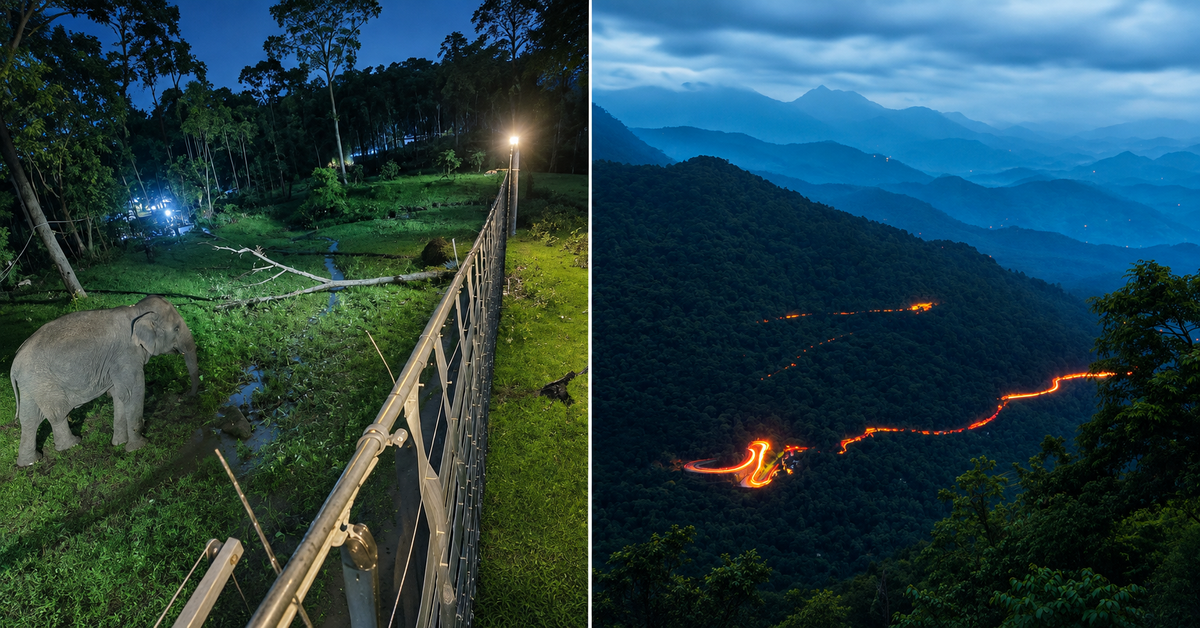
In this piece
The Better India has highlighted concern that lights left on could diminish the darkness Kerala’s forests need. The available excerpt provides no research…
Artificial lighting is drawing attention as a concern for Kerala’s forests, with The Better India highlighting how lights left on could take away the darkness those habitats need. Its headline frames the issue as both an environmental concern and something readers may be able to help address through their lighting choices.
The material available here consists of the article’s headline and a link, rather than its full reporting. It does not identify a particular forest, district, research project or affected species, so it cannot establish the scale of the problem or support conclusions about specific wildlife impacts in Kerala.
The underlying conservation question is whether light intended for human activities is also illuminating places where it is not needed. Looking at that question means considering not only whether an outdoor area needs lighting, but also where the light travels and how long it remains on after its intended use ends.
Darkness is part of the natural environment, rather than simply an absence of infrastructure. The concern raised by the headline is that keeping lights on can change that environment beyond the immediate space people intend to illuminate, making nighttime conditions relevant to discussions about protecting forests and their surroundings.
That framing does not require treating all outdoor lighting as unnecessary or calling for people to compromise safety. A careful approach would distinguish lighting needed for visibility and access from illumination that serves no continuing purpose, while recognising that decisions depend on the circumstances of each property or public space.
For readers considering their own surroundings, a practical starting point is to ask whether each light needs to remain on throughout the night. Checking whether it shines only on the intended area is another way to assess avoidable illumination, although these are general considerations rather than recommendations verified from the full article.
The distinction between a broad environmental concern and a documented local impact is important. The supplied excerpt contains no measurements, comparisons over time or account of a particular lighting installation, and it does not identify an official response or a conservation programme that readers can join.
It also leaves unanswered which actions The Better India’s full report recommends and what evidence supports them. Readers seeking to apply the article’s advice would need that additional detail, especially before drawing conclusions about a particular forest area or attributing changes in wildlife behaviour to artificial lighting.
For now, the headline’s central message is a call to pay attention to the darkness surrounding Kerala’s forests as well as the lights people use. The next step is to examine the full reporting for its evidence and guidance, while keeping any response proportionate to local lighting needs and documented environmental concerns.
Primary source: Google News Kerala. Newzly rewrites and structures source reporting for clarity; verify critical details at the original.