Live Gold Rates in Punjab Updated for 18K, 22K, and 24K on November 22
Financial tracking platforms issued fresh daily gold price benchmarks across Punjab on November 22, detailing live rates for 18-karat, 22-karat, and 24-karat precious metal categories amid shifting bullion markets.
In this piece
Daily gold benchmarks in Punjab were updated on November 22, 2026, tracking revisions across 18K, 22K, and 24K purities. The live rates reflect international…
Financial tracking platforms including Kotak Neo updated live bullion rates for Punjab on Sunday, November 22, 2026, recording ongoing revisions across 18-karat, 22-karat, and 24-karat gold categories. The daily price benchmark provides retail buyers, jewellers, and investors across the state with a standardized reference point for ongoing precious metal transactions.
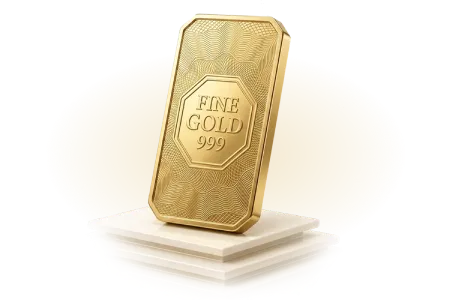
The pricing benchmarks distinguish between the varying purities of the precious metal sought across northern retail markets. Twenty-four-karat gold represents pure bullion primarily purchased in the form of bars and coins for wealth preservation, while twenty-two-karat and eighteen-karat varieties form the cornerstone of commercial jewellery fabrication due to their enhanced durability.
Retail bullion quotations in Punjab reflect broader movements across domestic exchanges such as the Multi Commodity Exchange, alongside international spot market benchmarks. While base prices closely track national trends, localized rates often reflect state-level transport logistics, bullion dealer markups, and local demand dynamics across regional trade hubs.
Currency movements also play an influential role in shaping the daily pricing landscape across Indian states. Because India imports the vast majority of its domestic gold requirement, shifts in the value of the Indian rupee against the United States dollar directly alter landing costs for domestic importers and bullion banks.
Beyond wholesale import adjustments, statutory levies significantly influence the final retail cost faced by domestic consumers. Spot transactions routinely incorporate federal customs duties, goods and services tax, and refining charges, which are factored in prior to local jewellers applying making charges on finished ornaments.
Demand for physical gold across Punjab remains closely intertwined with agrarian cycles and the seasonal wedding calendar. Following key harvest seasons, rural and urban households traditionally deploy household savings into precious metals, viewing gold as both a reliable hedge against inflationary pressures and an essential cultural asset.
Market analysts note that shifting consumer habits are steadily diversifying how households in the region interact with gold. While traditional retail jewellery continues to dominate physical storefronts, growing interest in structured digital instruments, exchange-traded funds, and sovereign alternatives is providing individuals with broader investment mechanisms.
Financial institutions and market aggregators emphasize that consumers should exercise diligence when transacting in physical retail markets. Verifying Bureau of Indian Standards hallmark certifications and tracking real-time updates helps ensure transparency in caratage valuation and billing authenticity.
Looking ahead, daily precious metal valuations will remain sensitive to global central bank interest rate decisions, geopolitical developments, and domestic retail activity. Market participants and regional jewellery associations across Punjab continue monitoring daily rate releases from financial portals to navigate ongoing pricing shifts.
Primary source: Google News Punjab. Newzly rewrites and structures source reporting for clarity; verify critical details at the original.