Maharashtra Withdraws FDA Petition Against Centre and Food Safety Regulator
Maharashtra has moved to withdraw an FDA petition challenging the Food Safety and Standards Authority of India in court, ending a high-profile jurisdictional clash led by Commissioner Tukaram Mundhe.
In this piece
The Maharashtra government has withdrawn a high-profile petition filed by its Food and Drug Administration against the central government and the FSSAI.…
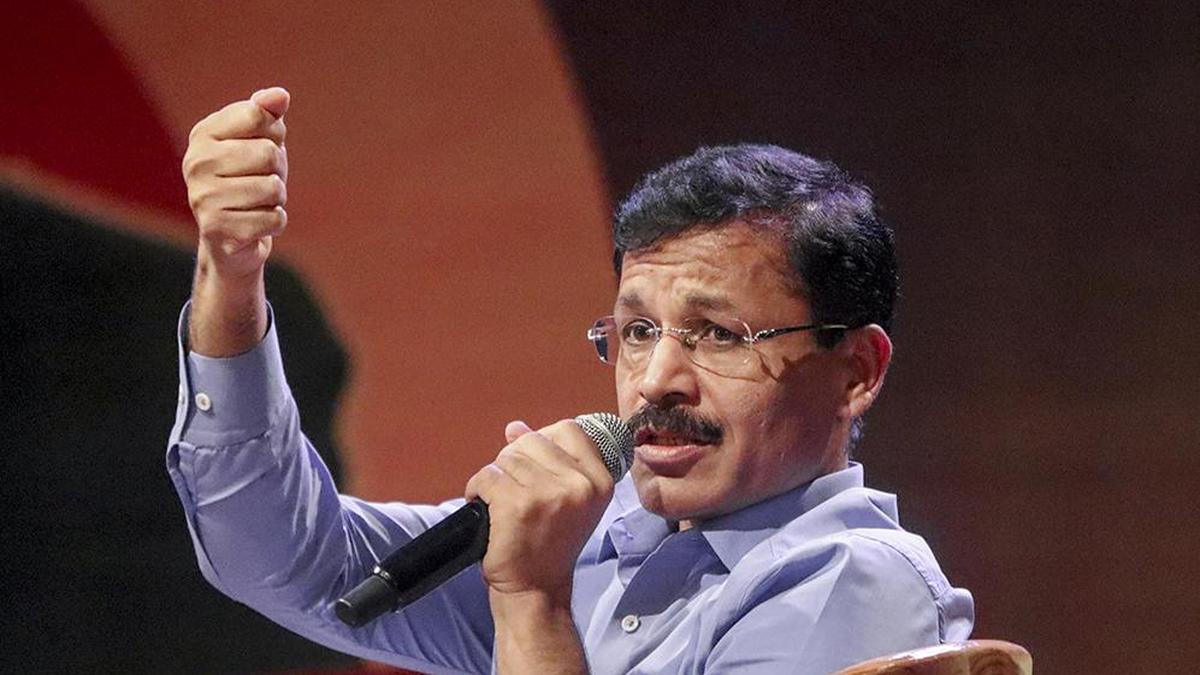
The Maharashtra government has moved to withdraw a legal petition filed before the Bombay High Court by its Food and Drug Administration that challenged the authority of the central government's apex food regulator. The petition, initiated under state FDA Commissioner Tukaram Mundhe, contested key regulations implemented by the Food Safety and Standards Authority of India. The decision to discontinue the legal challenge marks an abrupt retreat in an escalating institutional dispute between the state department and the Centre.
Originally filed on September 3, the petition challenged the constitutional validity of select regulations and amendments enacted by the central authority. State officials asserted that the national body had overstepped its statutory boundaries and usurped executive powers designated to state authorities. The legal filing contended that the regulatory framework eroded the decentralized authority necessary to oversee food hygiene and safety standards across Maharashtra.
At the heart of the legal challenge was the establishment of what the state FDA described as an unauthorized parallel enforcement structure. According to the petition, central regulations effectively prevented state-level food safety inspectors from conducting field inspections and pursuing enforcement against food business operators holding central licenses. State officials argued that this operational barrier weakened public safety protections by preventing local officers from swiftly addressing violations.
The petition maintained that central mandates encroached upon the statutory responsibilities of the State Commissioner of Food Safety and district-level enforcement machinery. Maharashtra's filing claimed that the central body had acted in a clandestine manner to curtail the oversight functions traditionally exercised by local inspectors. By excluding state teams from monitoring major commercial establishments, the state argued, the central framework compromised administrative accountability.
The courtroom confrontation triggered substantial administrative and political friction across bureaucratic channels. The dispute placed a state agency in direct opposition to the Union government, highlighting institutional unease between central and regional regulators. The tension drew heightened scrutiny because both the central administration and the Maharashtra state government were led by the Bharatiya Janata Party.
Mundhe, a senior Indian Administrative Service officer, has earned a reputation throughout his bureaucratic career for an uncompromising enforcement approach and strict adherence to statutory rules. His decision to pursue judicial intervention against the central food regulator reflected long-simmering frustrations among regional authorities over jurisdictional overreach. However, the bold legal stance quickly placed the bureaucrat and his department under pressure from state political leadership.
The institutional confrontation concluded after the Maharashtra state government intervened to rein in the litigation. Following formal directives issued to administrative officials on October 29, the state initiated steps to formally withdraw the petition from the high court docket. The directive effectively defused an embarrassing legal conflict that had pitted state regulators against national policymakers in open court.
Despite the withdrawal of the legal challenge, the controversy brings to light unresolved questions surrounding regulatory federalism under the Food Safety and Standards Act. Legal experts and public health observers note that split jurisdiction between central licensing authorities and state monitoring teams frequently creates enforcement bottlenecks during inspections and adulteration investigations. Without clear coordination protocols, regional teams often face uncertainty when monitoring large-scale food manufacturing operations.
Moving forward, administrative coordination between the Food Safety and Standards Authority of India and the Maharashtra FDA is expected to shift back to inter-governmental discussions. Officials are anticipated to rely on internal executive channels rather than courtroom proceedings to resolve disputes over licensing jurisdictions and inspection mandates. For now, the withdrawal of the plea restores formal alignment, leaving systemic jurisdictional debates to future policy negotiations.
Primary source: Google News Maharashtra. Newzly rewrites and structures source reporting for clarity; verify critical details at the original.