Mosque Fire in Northern Israel Sparks Backlash Against Netanyahu
A suspected arson attack on a mosque in the northern Arab village of al-Dahi has triggered sharp political backlash against Benjamin Netanyahu and renewed concerns over minority community safety.
In this piece
A suspected arson attack on a mosque in the northern Palestinian Arab village of al-Dahi has ignited political criticism against Prime Minister Benjamin…
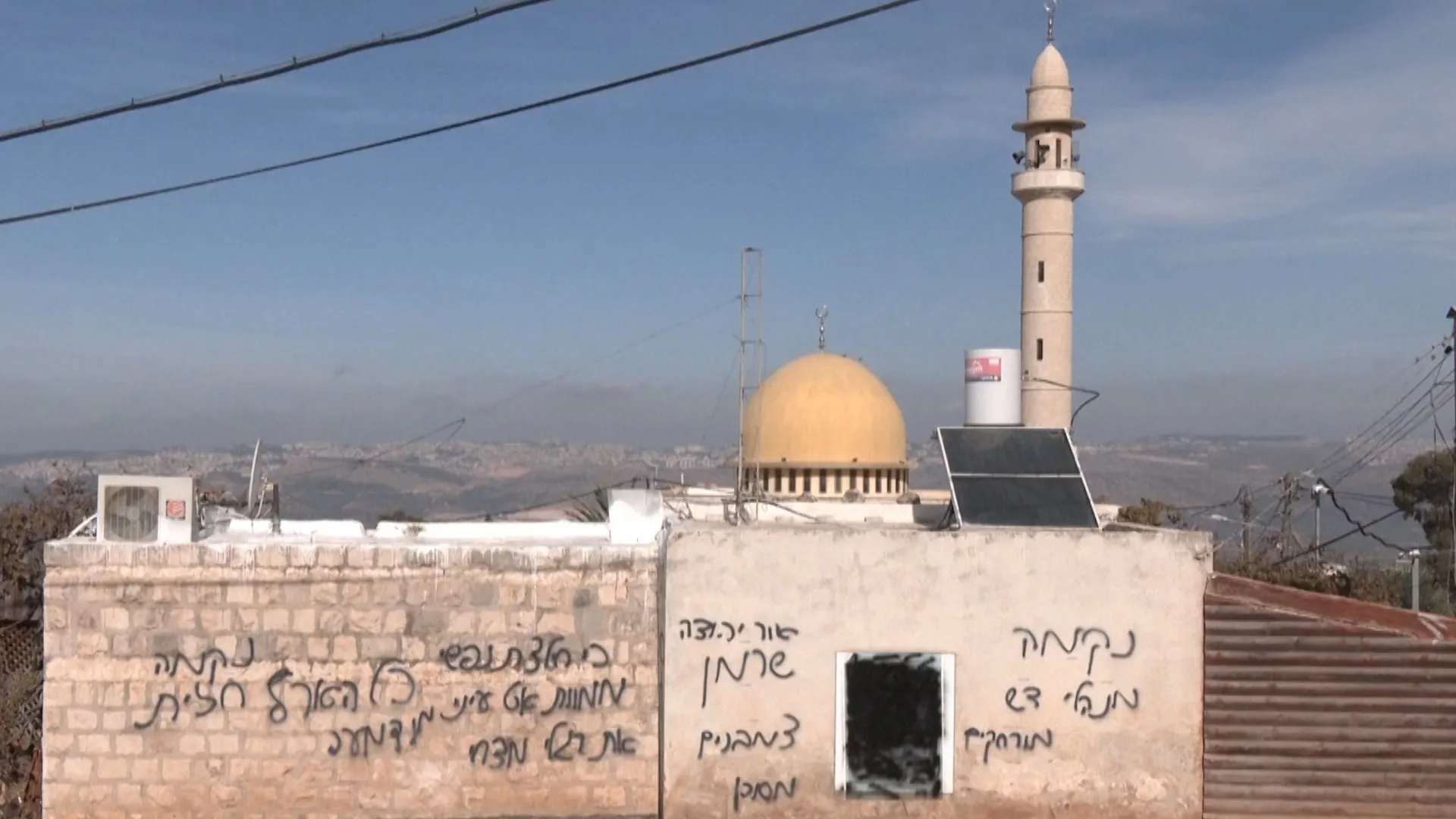
A mosque in the Palestinian Arab village of al-Dahi in northern Israel was set on fire in a suspected arson attack, setting off immediate political backlash against Prime Minister Benjamin Netanyahu. The incident damaged the local place of worship and sparked swift outcry across the northern community. According to reports from Al Jazeera, the blaze prompted widespread demands for answers regarding how such an attack could occur.
Emergency services and local authorities were alerted to the blaze after flames were detected at the site. While preliminary reporting points toward deliberate arson, formal findings regarding the perpetrators or their immediate motivations have not yet been made public. The incident has nevertheless fueled sharp concern among residents who view the fire as an alarming escalation of hostility against their village.
The incident quickly escalated into a national political debate, placing Prime Minister Netanyahu and his government under renewed public scrutiny. Political critics and community advocates pointed to the fire as evidence of a deteriorating security environment for Arab citizens within Israel. Opposition figures argued that the administration has failed to provide equal protection to minority towns and demanded decisive action from law enforcement.
Attacks on religious infrastructure carry profound sensitivity throughout the region, where sacred sites often serve as cultural anchors for local populations. Community leaders stressed that an assault on a mosque threatens social cohesion and risks inflaming sectarian friction. Observers note that without rapid accountability, unresolved vandalism and arson cases often foster lingering mistrust between minority residents and state institutions.
Arab communities in northern Israel have long raised concerns regarding institutional neglect and inadequate public safety resources. Local councils have repeatedly called on national authorities to allocate greater resources toward local policing, crime prevention, and community protection. The fire in al-Dahi has revived those longstanding grievances, serving as a stark reminder of the persistent security challenges facing Arab municipalities.
The political backlash against Netanyahu comes amid ongoing domestic debates over the priorities and rhetoric of the governing coalition. Critics argue that political discourse from national leaders has at times emboldened fringe elements or failed to adequately deter attacks against Arab institutions. Government supporters, conversely, maintain that security agencies investigate all criminal acts thoroughly regardless of the target's identity.
Beyond the immediate political friction, the incident has highlighted the broader atmosphere of strain affecting Arab citizens in Israel. Rights groups frequently point out that localized incidents can quickly reverberate on a national scale when communities feel unprotected. The apparent targeting of a house of worship has accordingly drawn calls for solidarity and calm from diverse civic figures seeking to prevent further escalation.
Legal experts and human rights monitors emphasize that the state's handling of the investigation will be closely scrutinized by domestic and international observers. Transparent updates from investigators and the rigorous pursuit of any suspects will be central to restoring public confidence. A failure to identify those responsible, observers caution, could deepen perceptions of legal disparity within the justice system.
As inquiries into the al-Dahi mosque fire proceed, residents and political leaders remain on high alert for official developments from security agencies. Local representatives continue to push for heightened security measures around vulnerable sites to guard against future attacks. The political fallout is expected to persist in the coming days as lawmakers debate the government's approach to domestic stability and community safety.
Primary source: Al Jazeera. Newzly rewrites and structures source reporting for clarity; verify critical details at the original.