Maine Program Connects Hunters With Food Pantries to Fight Hunger
A collaborative initiative in Maine connects licensed hunters with local food pantries, covering processing costs to turn legally harvested wild game into protein-rich meals for families facing food insecurity.
In this piece
Maine's Hunters for the Hungry initiative links outdoor sports with community relief by distributing donated wild game to local pantries. State agencies and…
A statewide initiative in Maine is bridging the gap between outdoor sports and community hunger relief by connecting licensed hunters directly with local food pantries. Through the collaborative program, hunters across the state can donate portions of their legally harvested wild game to assist vulnerable residents facing food insecurity.
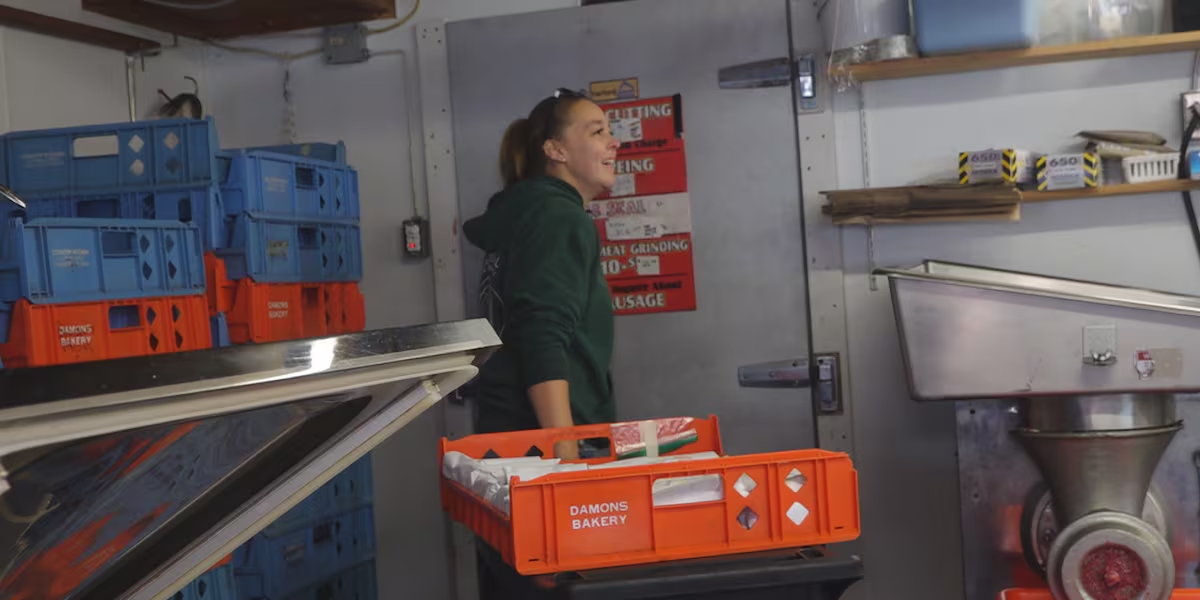
Under the initiative, commonly known as Hunters for the Hungry, sportsmen and sportswomen can deliver legally tagged game, such as deer, moose, and bear, to participating meat processors. The approved commercial butchers process, cut, and vacuum-seal the meat into meal-sized packages suitable for family distribution.
A critical component of the framework is eliminating financial obstacles for participating donors. The state and partner relief organizations absorb the butchering and handling costs, allowing hunters to contribute high-protein meat without shouldering additional out-of-pocket processing expenses.
Established in the 1990s, Maine's wild game donation network operates through an enduring partnership involving state agencies and charitable organizations. The effort coordinates between the Maine Department of Agriculture, Conservation and Forestry, the Maine Department of Inland Fisheries and Wildlife, and regional emergency food pantries.
Food pantry directors and community organizers note that lean wild game offers a vital nutritional boost to households in need. While non-perishable canned items and dry grains are common pantry staples, fresh, locally sourced animal protein remains one of the most expensive and scarce commodities for charitable distribution networks.
Across Maine, rural communities frequently encounter elevated rates of food insecurity alongside fluctuating grocery prices and logistical supply challenges. By routing locally harvested game directly into neighborhood pantries and soup kitchens, the program establishes an efficient, decentralized supply chain that keeps nutritious food within nearby communities.
The effort also aligns wildlife conservation and herd management goals with ethical sporting practices. State wildlife biologists set seasonal harvest limits to maintain ecological balance and healthy animal populations, and donating extra meat ensures that successful hunts serve a constructive social purpose.
State game wardens and local volunteer coordinators assist in tracking donations and facilitating connections with neighborhood pantries and community kitchens. Processors maintain strict quality control standards to verify that only healthy, properly handled meat enters the public food distribution stream.
As hunting seasons proceed across the state, officials and hunger advocates are urging registered hunters to consider setting aside a portion of their harvest for donation. Organizers anticipate that continued cooperation between outdoor enthusiasts, local butchers, and food pantries will help provide thousands of protein-rich meals to Maine families throughout the winter months.
Primary source: Google News Maine. Newzly rewrites and structures source reporting for clarity; verify critical details at the original.