Mamdani Signs Law to End NYC Horse-Drawn Carriage Industry, City Says
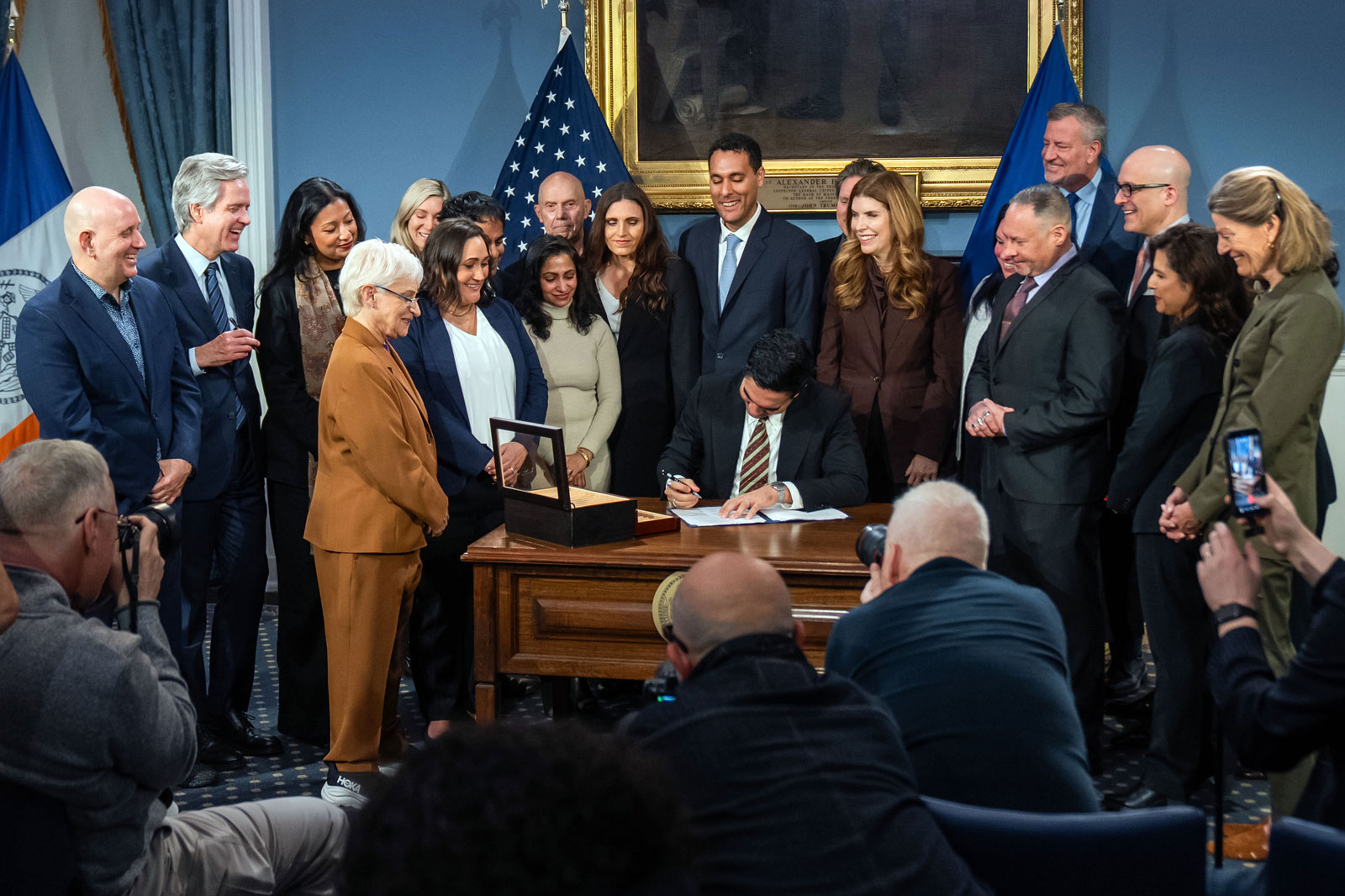
Mayor Mamdani has signed legislation to end New York City’s horse-drawn carriage industry, according to an NYC.gov headline. The supplied report does not detail the timetable or transition arrangements.
In this piece
An NYC.gov headline says Mayor Mamdani has signed legislation to end New York City’s horse-drawn carriage industry after 150 years. The supplied material does…
Mayor Mamdani has signed legislation to end New York City’s horse-drawn carriage industry, according to an NYC.gov headline carried in a Google News listing. The announcement describes the measure as ending an industry with a 150-year history, but the supplied material does not include the underlying city statement or legislative text.
The reported signing marks a decision to bring the industry to a close, rather than simply announce a proposal to change its operations. However, the headline alone does not establish when carriage services must stop, whether the law sets out a phased withdrawal or which activities its provisions cover.
The city’s description places the legislation in the context of a longstanding New York industry. That historical framing underscores the significance of the announced change, although the supplied excerpt offers no account of the legislative debate, earlier proposals or the circumstances that led to the signing.
For carriage operators and workers, the practical consequences will depend on provisions that are not reproduced in the listing. The available material does not say whether the measure includes financial assistance, alternative employment opportunities, compensation or a period in which businesses can wind down their operations. It also provides no figures for the number of people or businesses affected.
Arrangements for the horses are another important unanswered question in the supplied report. The excerpt does not explain whether the legislation establishes requirements for their future care, relocation or retirement, or identifies who would oversee those arrangements. No conclusions about those protections can be drawn from the headline.
The announcement also leaves the administrative process unclear. Without the law or a fuller official explanation, it is not possible to determine how existing permissions to operate will be treated, which city bodies will enforce the change or what obligations will apply during any transition. Those details will determine how the stated policy translates into practice.
NYC.gov characterizes the legislation as landmark, but the supplied material contains no statements from carriage workers, operators, animal-welfare groups or other affected parties. It therefore establishes the city’s announced action without providing a broader account of reactions or potential disputes. It also does not identify the measure’s sponsors or provide a vote count.
The next point to establish is the legislation’s implementation schedule and the responsibilities it assigns to the city and affected operators. The full measure and accompanying official guidance would be needed to clarify those questions. For now, the available source supports the reported signing and stated aim of ending the industry, but not a specific closure date or transition plan.
Primary source: Google News New York. Newzly rewrites and structures source reporting for clarity; verify critical details at the original.