Manipur Peace Outreach Falters as Ethnic Divide and Impasse Persist
Repeated outreach initiatives in strife-torn Manipur continue to face steep hurdles as deep communal distrust and political deadlocks stall efforts to secure lasting peace.
In this piece
Peace initiatives in Manipur remain deadlocked as outreach programs fail to reconcile divided communities across the state. Persistent social polarization,…
Efforts to establish lasting peace in Manipur have encountered repeated setbacks as political and administrative outreach initiatives struggle to make meaningful headway. Despite ongoing interventions aimed at cooling tensions, the ground reality across the northeastern state remains fragile and deeply divided. State and central authorities face mounting scrutiny over the effectiveness of their peacebuilding mechanisms, which have so far failed to restore normal civilian life.
The persistence of friction highlights the profound chasm between ethnic groups that were separated by waves of unrest. Social communication between the valley and surrounding hill communities remains virtually severed, leaving populations entrenched behind physical and psychological boundaries. Local observers note that intermittent gestures toward conciliation have done little to reassure vulnerable residents or address foundational grievances.
A critical roadblock confronting mediation efforts is an acute deficit of trust in governmental apparatuses and local institutions. Various peace committees and bureaucratic overtures initiated in recent months have struggled to secure broad-based buy-in from grassroots representatives. Community leaders and civil society organizations have frequently questioned the impartiality and resolve of the state machinery, complicating the launch of constructive dialogue.
The humanitarian consequences of the lingering stalemate continue to weigh heavily across the region. Displaced families remain housed in makeshift relief camps with limited access to livelihoods, schooling, and essential public amenities. Prolonged uncertainty over rehabilitation and resettlement has deepened frustration among camp residents, who see few tangible signs of a viable path home.
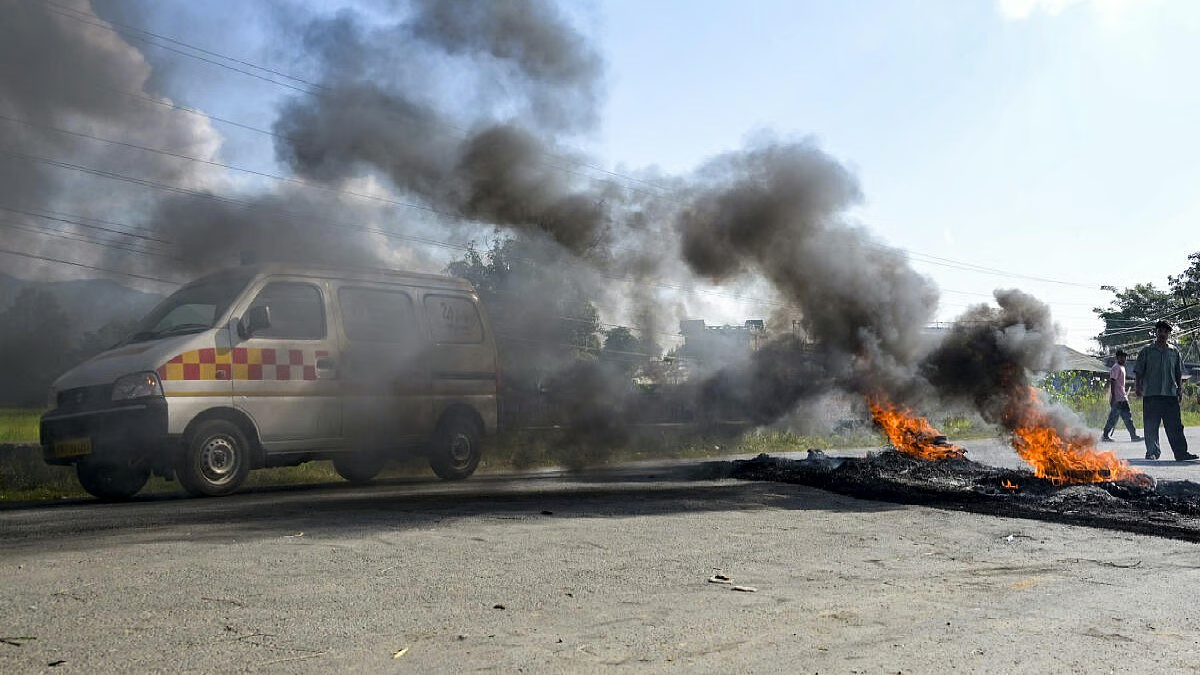
Security operations across affected areas have largely functioned to contain flashpoints rather than dismantle the underlying drivers of unrest. While extensive deployments of central forces and localized restrictions have checked widespread arson, low-intensity skirmishes and threats of localized flare-ups persist. The presence of buffer zones and checkpoints continues to define daily movement, reinforcing spatial separation rather than promoting integration.
The security environment remains further complicated by unrecovered arms and the proliferation of informal vigilante groups. Law enforcement measures aimed at voluntary surrenders and weapon seizures have yielded uneven results across different jurisdictions. As long as stockpiles of illicit munitions remain outside official custody, the risk of retaliatory escalation continues to cast a long shadow over security planning.
Beyond the borders of the state, the protracted unrest carries broader geopolitical and economic ramifications for India's northeastern corridor. Vital trade routes, transit infrastructure, and interstate commerce have experienced severe interruptions, driving up consumer prices and chilling regional investment. Regional analysts warn that prolonged instability could unravel hard-won developmental gains and strain social harmony in neighboring states.
At the heart of the impasse lies an unresolved clash over political arrangements and governance structures. Competing factions have staked out diametrically opposed positions on administrative autonomy, land preservation, and the constitutional integrity of state boundaries. Without a mutually acceptable framework that can bridge these constitutional debates, cosmetic confidence-building measures face diminishing returns.
Moving forward, civil society advocates emphasize that genuine reconciliation will require sustained, transparent engagement at the highest political levels. Any durable resolution must address the immediate needs of displaced populations while creating formal channels for direct, high-level mediation. Until substantive concessions and institutional accountability materialize, the prospects for comprehensive peace in the state are likely to remain fragile and fraught.
Primary source: Google News Manipur. Newzly rewrites and structures source reporting for clarity; verify critical details at the original.