Masked ICE Arrests at Seattle Airport Spark Outcry and Chaos
Masked ICE officers arrested two passengers boarding an Alaska Airlines flight at Seattle-Tacoma International Airport, triggering gate-side chaos and drawing sharp condemnation from Washington state leadership.
In this piece
Masked Immigration and Customs Enforcement agents sparked chaos at Seattle-Tacoma International Airport after physically detaining two passengers boarding an…
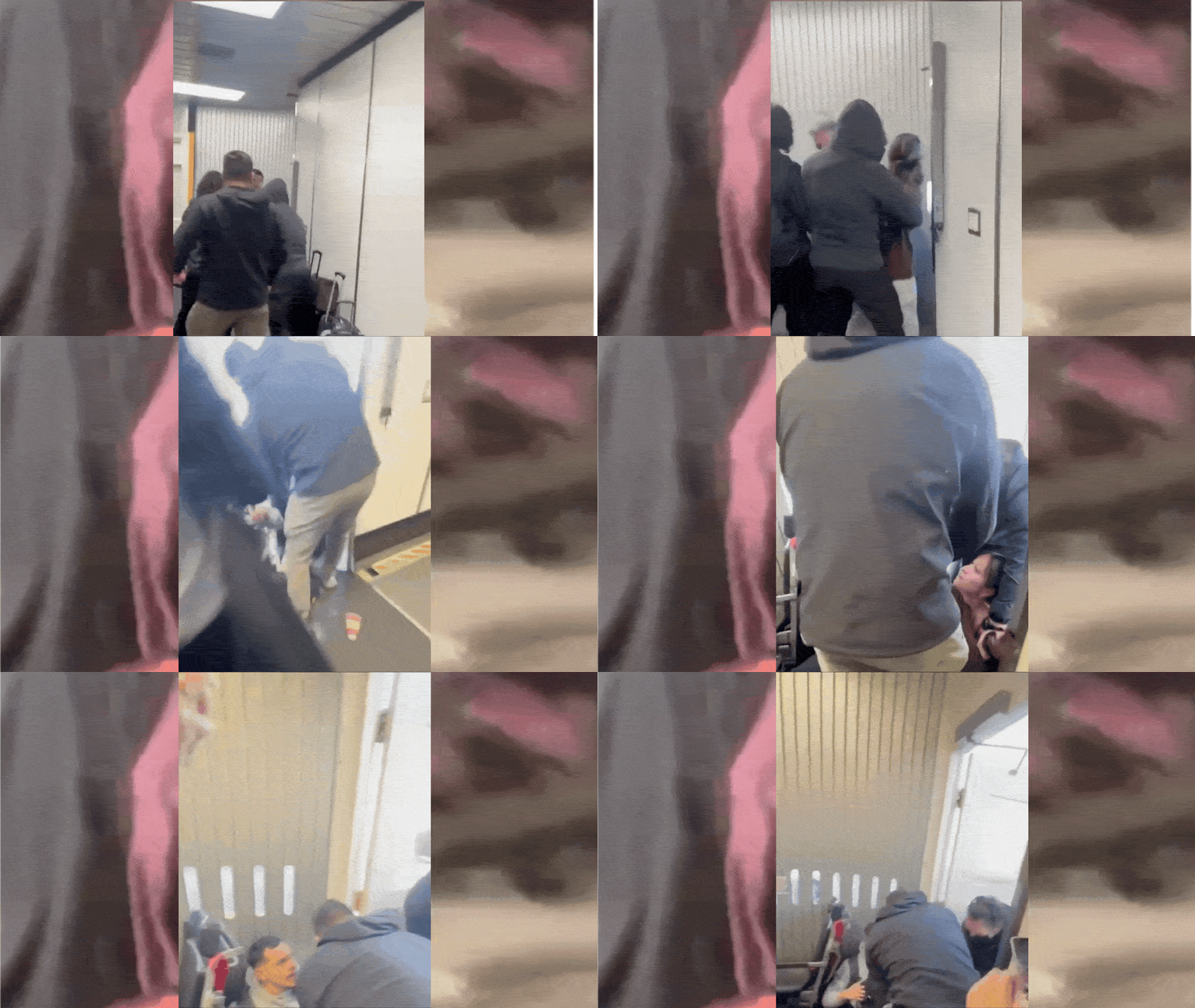
Masked federal immigration officers took two passengers into custody as they were boarding an Alaska Airlines flight at Seattle-Tacoma International Airport, triggering widespread commotion at the departure gate. Bystander video captured Immigration and Customs Enforcement agents physically removing the two travelers, prompting alarmed reactions from fellow fliers in the terminal. The sudden confrontation brought boarding procedures to an immediate standstill as onlookers recorded the unfolding intervention on mobile devices.
The footage, which circulated rapidly across social media platforms and broadcast news networks, showed officers concealing their faces as they executed the detentions in the boarding area. Travelers waiting in line voiced acute distress and confusion as the scene unfolded abruptly during routine pre-flight preparations. Witnesses reported that the aggressive physical removal of the two individuals caused significant alarm among passengers awaiting takeoff.
The enforcement action occurred directly on commercial airline boarding infrastructure at SEA Airport, involving an Alaska Airlines domestic flight. The unusual setting of an interior immigration intervention inside a secure gate area immediately drew public scrutiny toward airline boarding protocols and federal jurisdiction. Commercial aviation spaces typically operate under rigorous safety controls, making forcible law enforcement actions at the aircraft door exceedingly rare.
Following the public outcry, the Port of Seattle released an official statement addressing the federal enforcement operation conducted on airport property. Airport leadership acknowledged the serious public reaction while addressing the operational disruption caused by federal authorities within the secure passenger facility. Officials emphasized their ongoing commitment to passenger safety and airport order while clarifying the role of local port authorities during federal operations.
The high-profile arrest provoked swift and stern political pushback, with the state governor publicly rebuking the agency and characterizing ICE as out of control. The governor voiced serious concern over aggressive apprehension tactics deployed in crowded public transit facilities where traveling families and commuting passengers are concentrated. State leaders warned that sudden federal operations in busy civilian terminals can pose safety hazards and trigger unnecessary panic.
The appearance of masked federal personnel conducting forcible apprehensions in civilian spaces has become an intensifying point of debate between state officials and immigration enforcement agencies. Critics argue that obscured faces and unannounced tactical maneuvers erode public accountability and frighten civilian travelers. Conversely, federal immigration authorities have traditionally defended such measures by citing officer safety considerations and the lawful execution of judicial or administrative warrants.
Commercial airports operate under complex and overlapping layers of jurisdiction involving local port police, federal transportation screeners, and national law enforcement bodies. While federal authorities retain statutory powers to enforce immigration laws across transportation corridors, direct physical detentions at domestic departure gates remain relatively uncommon. The incident has renewed questions among aviation industry observers about how federal agents coordinate with commercial airlines and local airport operators.
The confrontation at Seattle-Tacoma International Airport reflects broader ongoing national tensions over the reach and visibility of interior immigration enforcement. In several states and municipalities, local officials have enacted policies designed to limit cooperation with federal deportation efforts in civilian infrastructure. The gate-side arrests underscore the friction that emerges when federal enforcement priorities intersect directly with local governance and public transit systems.
Regional officials, civil rights advocates, and community leaders continue to seek comprehensive answers from federal authorities regarding the legal basis and procedures used during the gate operation. As inquiries from state lawmakers and airport leadership continue to develop, the episode is expected to fuel broader scrutiny over the standards governing federal operations in commercial transit hubs. Further discussions regarding passenger protections, interagency notification, and airport jurisdiction are anticipated in the coming weeks.
Primary source: Google News India. Newzly rewrites and structures source reporting for clarity; verify critical details at the original.