Massive Fire Erupts at Textile Scrap Site in Surat's Un Patiya
A major fire erupted at a textile scrap storage site in Surat's Un Patiya locality, drawing over a dozen fire vehicles from 10 stations in the area's second blaze within a week.
In this piece
A massive fire broke out at a textile waste dump in Surat's Un Patiya area, prompting an emergency response involving more than 12 fire tenders from 10…
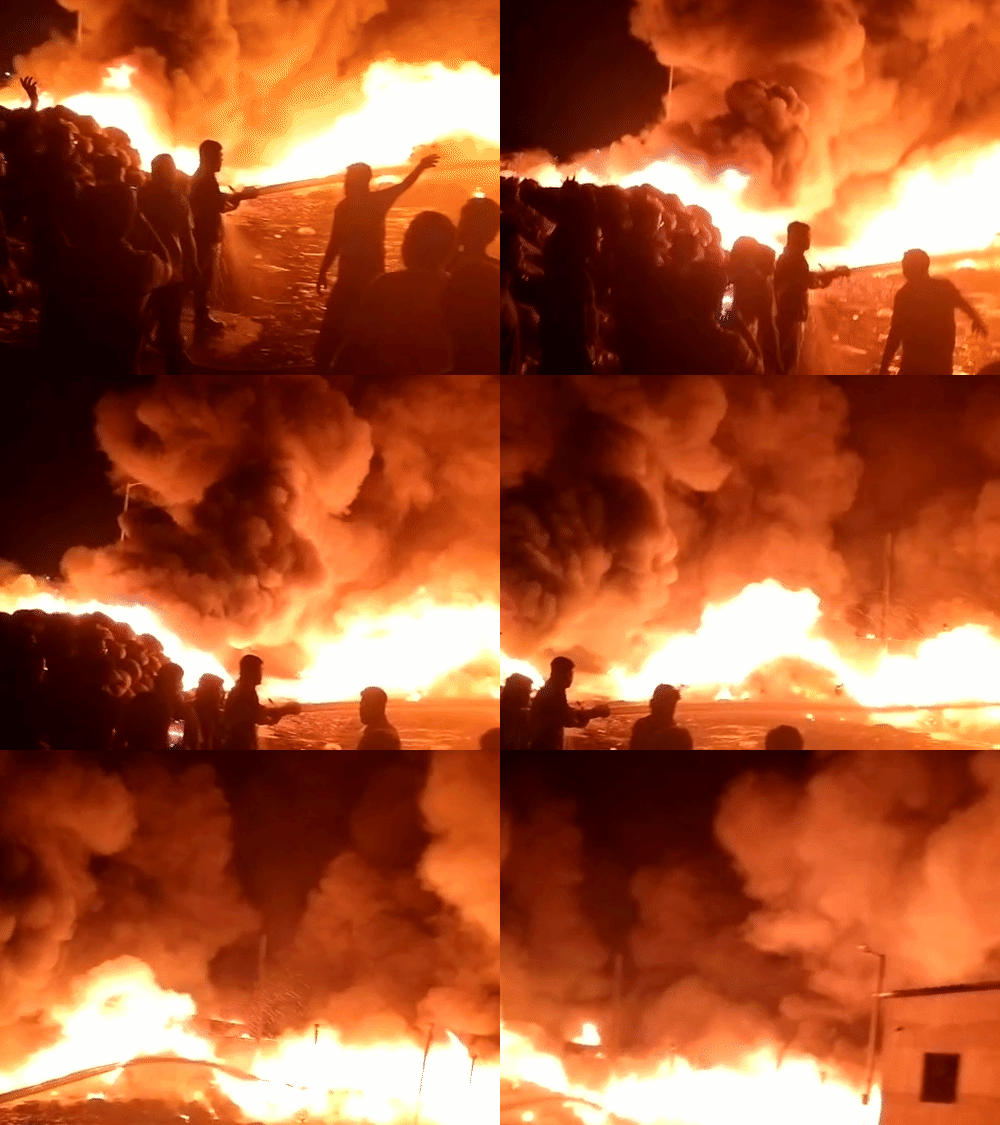
A massive fire broke out at a textile scrap dump in the Un Patiya locality of Surat, sending towering plumes of dark smoke across the southern rim of the industrial city. Emergency responders mobilized more than 12 fire tenders from 10 fire stations across the municipal network to contain the rapidly spreading flames.
The blaze tore through piles of discarded fabric scraps and warehouse storage in the densely packed Bhindi Bazaar pocket of Un Patiya. Authorities confirmed that a passenger vehicle parked adjacent to the site was completely gutted in the inferno, though preliminary reports indicated no civilian casualties or injuries among workers.
Fire crews arrived within minutes of receiving distress calls and immediately began dousing the perimeter with continuous water streams. Teams focused on halting the spread toward adjoining commercial shops and closely built residential structures, working through heavy smoke and combustible materials that fueled stubborn flare-ups.
The emergency represents the second major fire incident in Un Patiya within a single week, raising heightened concern among neighborhood residents and local traders. Frequent blazes in the pocket have strained emergency personnel who previously spent extended operations containing another textile waste fire in the surrounding industrial belt.
Surat serves as one of India's largest synthetic textile hubs, processing millions of meters of fabric daily and generating massive volumes of discarded cloth cuttings known locally as chindi. These scrap remnants often accumulate in informal open-air yards, godowns, and sorting depots scattered throughout urban outskirts like Un Patiya and Sachin.
Textile scrap composed primarily of polyester, nylon, and blended synthetic yarn presents severe fire vulnerabilities, particularly during dry and breezy weather conditions. Once ignited, compressed synthetic bales generate intense heat, noxious chemical fumes, and lingering embers that can burn beneath surface layers for hours, complicating suppression efforts.
Recurrent flare-ups in scrap clusters have repeatedly triggered debates over urban planning, storage compliance, and fire safety enforcement across Surat's decentralized processing zones. Many small-scale recycling units and transit storage lots operate in tight, congested alleys with limited hydrant access and insufficient on-site fire extinguishing equipment.
Thick smoke generated by the burning textile refuse blanketed nearby settlements for several hours, causing respiratory discomfort and prompt evacuations among fearful neighbors. Local civic groups have regularly expressed anxiety over the proximity of open combustible dumps to residential housing, warning of environmental and health risks from airborne particulates.
Investigators and local police officers initiated a preliminary review to ascertain the precise ignition source of the blaze, exploring possibilities ranging from electrical short circuits to discarded smoldering items. Officials noted that while no deliberate foul play was immediately apparent, forensic teams will assess whether negligent disposal practices contributed to the initial ignition.
Cooling operations continued into the afternoon as firefighters turned over smoldering textile mounds to extinguish deep-seated hotspots and prevent rekindling. Municipal and fire department authorities are expected to review commercial licenses and inspect scrap handling facilities across the Un corridor to prevent similar recurring emergencies.
Primary source: Divya Bhaskar Gujarat. Newzly rewrites and structures source reporting for clarity; verify critical details at the original.