Maternal Devotion in Focus as Gujarati Feature Highlights Unconditional Bond Between Mother and Son
A poignant real-life narrative published by Divya Bhaskar's Rasrang magazine chronicles the selfless compassion of a mother named Surekhaben toward her son Kanu, highlighting enduring themes of familial devotion.
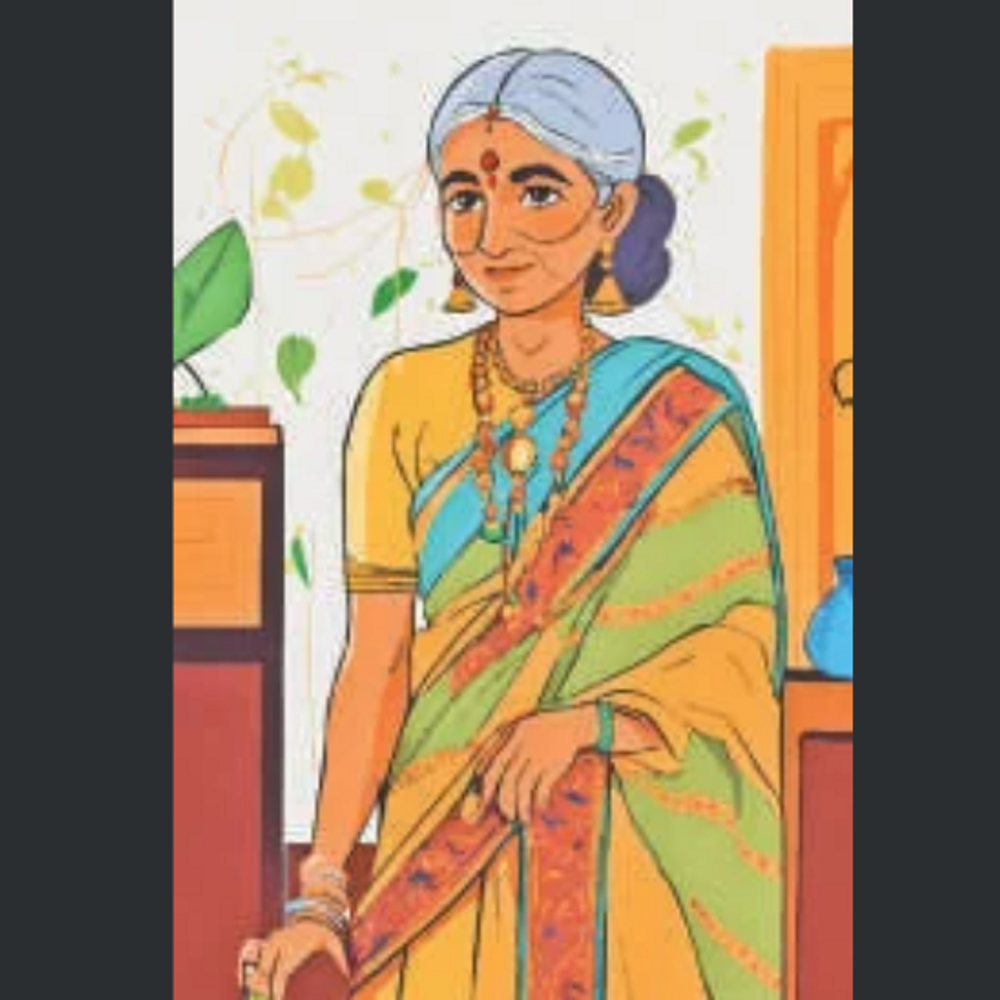
In this piece
A featured human-interest story in Divya Bhaskar's Rasrang magazine explores the emotional bond between a mother, Surekhaben, and her son, Kanu. Reflecting on…
A human-interest feature published by Gujarati daily Divya Bhaskar's Sunday magazine supplement, Rasrang, has brought attention to a moving real-life story of maternal devotion between a mother named Surekhaben and her son Kanu. Centered around the theme of profound emotional empathy, the chronicle presents an intimate portrait of unconditional love and patience in the face of familial adversity. The publication captures this dynamic through a striking philosophical reflection from the mother, who contextualized her enduring care by invoking the earliest physical bond of pregnancy.
At the core of the narrative is Surekhaben's remark: "When he was in my womb, he must have unknowingly kicked me too, right!" The statement underscores an instinctive willingness to absorb hardship or unintentional hurt without bitterness or resentment. In framing her caregiving through the natural movements of an unborn child, the mother offers a poignant defense of forgiveness and acceptance.
While specific biographical details surrounding the daily circumstances of Surekhaben and Kanu were presented within the magazine's dedicated sensitivity series, the account places heavy emphasis on the psychological resilience required in long-term domestic care. Published under the editorial banner of true compassion, the narrative forms part of a longstanding journalistic tradition of documenting quiet, everyday sacrifices. The editorial focus centers not on sensationalism, but on the profound moral fortitude shown by ordinary caregivers.
In regional print journalism, Sunday literary and magazine editions like Rasrang have historically served as a dedicated forum for personal memoirs, social sketches, and inspirational essays. These publications frequently highlight real-world accounts that reflect traditional family structures, intergenerational responsibilities, and the emotional complexities of domestic life. By elevating the relationship between Surekhaben and Kanu, the feature connects contemporary readers with universal themes of filial loyalty and maternal endurance.
The sentiment articulated by Surekhaben resonates strongly within the broader sociology of maternal sacrifice, where care is frequently characterized by an absence of transactional expectations. Her reflection acknowledges pain or disruption not as an affront, but as an involuntary condition to be met with protective grace. Sociologists and family counselors often note that such deep-seated emotional anchors allow primary caregivers to navigate immense strain without emotional detachment.
Beyond individual family dynamics, narratives highlighting maternal devotion bring essential visibility to the invisible labor of household caregiving across India. Women frequently bear the primary responsibility for nurturing dependents, often managing emotional and physical burdens without formal institutional support or widespread public recognition. Stories like that of Surekhaben and Kanu serve as cultural mirrors, prompting wider community reflection on the emotional weight carried by mothers in private spaces.
The publication of the story has drawn appreciation from readers who find solace and perspective in real-life reflections on patience and empathy. In an era increasingly dominated by fast-paced and transactional digital exchanges, reflective accounts of domestic steadfastness provide a grounded counterweight. Readers often view such chronicles as gentle reminders of the endurance and quiet heroism embedded in everyday familial obligations.
For regional publications, documenting personal testimonies of empathy continues to reinforce the social utility of lifestyle and literary supplements. Rather than confining reporting to political developments and market updates, magazines like Rasrang deliberately carve out space for stories that examine the human heart. These narratives foster community solidarity by articulating shared emotional truths that transcend geographical and social boundaries.
As discussions surrounding family care and emotional health continue to evolve, the poignant sentiment shared by Surekhaben stands as a testament to the timeless nature of maternal devotion. The brief yet evocative account published by Divya Bhaskar illustrates how a single phrase can encapsulate years of devotion, patience, and selfless grace. Looking ahead, regional chronicles of this nature will remain vital cultural touchstones, preserving the dignity and depth of everyday domestic relationships.
Primary source: Divya Bhaskar Magazine. Newzly rewrites and structures source reporting for clarity; verify critical details at the original.