Mayor Mamdani and Lyft Cap Citi Bike E-Bike Fares and Freeze Prices Through 2029
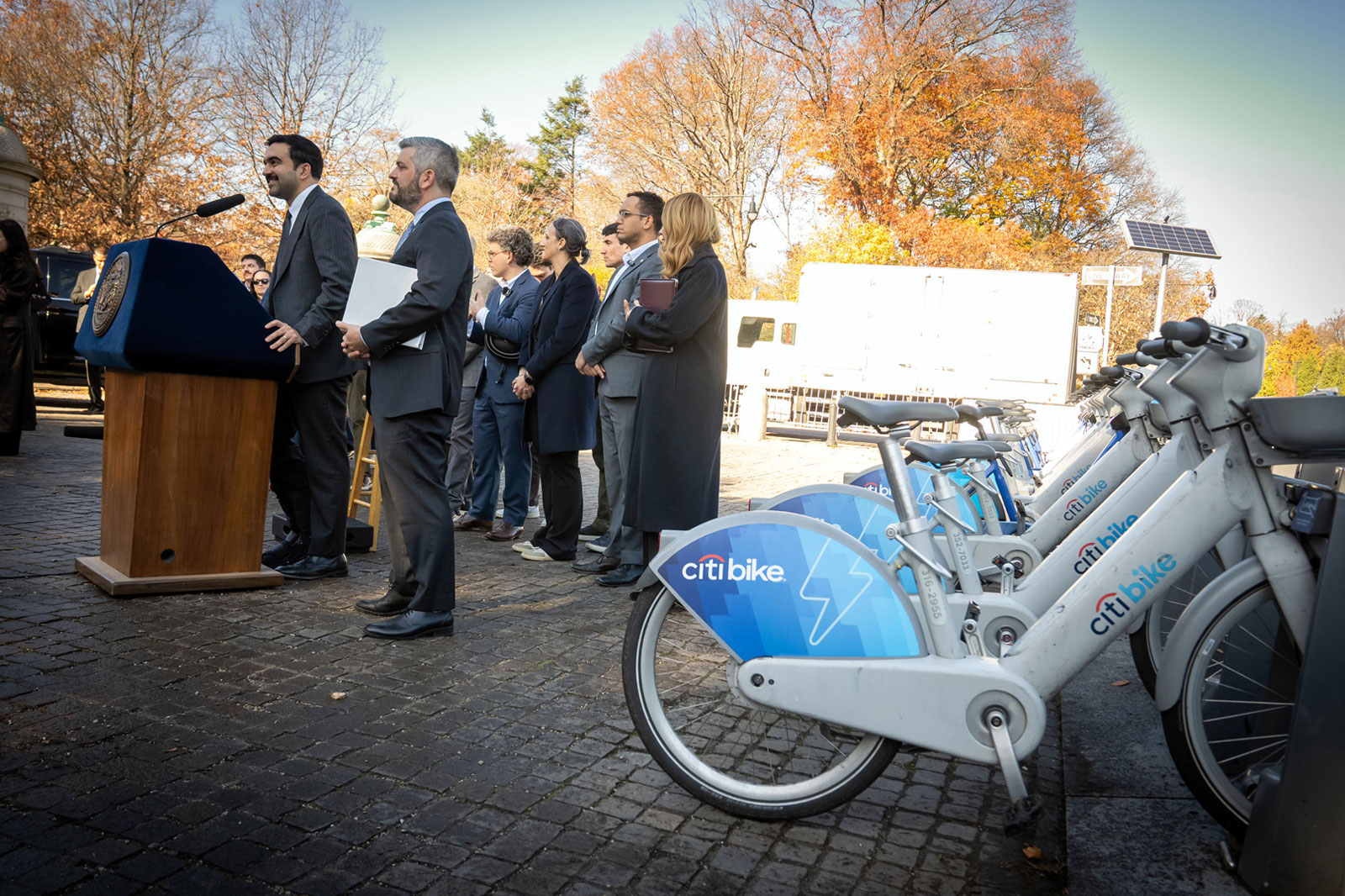
New York City and Lyft have agreed to cap Citi Bike member e-bike fares at $3.65 and freeze membership rates through May 2029, alongside plans to electrify over 130 docking stations.
In this piece
New York City and Lyft reached an agreement to cap member e-bike rides at $3.65 for trips up to 45 minutes starting in 2027. The deal also freezes annual…
New York City officials and rideshare giant Lyft have finalized an agreement to cap electric bike fares for Citi Bike members and freeze overall membership pricing through May 2029. Under the deal announced by Mayor Zohran Mamdani and the city's Department of Transportation, riders enrolled in annual memberships will see e-bike trips capped at $3.65 for journeys lasting up to 45 minutes. The new pricing structure is scheduled to take effect on January 19, 2027, providing significant relief for frequent commuters across the five boroughs.
The agreement addresses years of mounting public frustration over the rising cost of micromobility across New York City. Prior to this cap, members taking longer e-bike trips faced escalating per-minute charges that could reach as high as $12.15 for a single 45-minute ride. While standard pedal bikes remain included in annual memberships without per-minute fees, the growing prevalence and popularity of e-bikes had substantially increased out-of-pocket expenses for daily commuters.
Beyond capping individual trip charges, the settlement locks in the standard Citi Bike annual membership rate at $239 per year. The price freeze also applies to per-minute rates and member overage penalties through May 26, 2029, coinciding with the expiration date of Lyft's existing master operating contract with the city. City officials emphasized that locking in prices provides vital budget predictability for transit users dealing with broader cost-of-living increases.
The discounted fare framework will also extend directly to New Yorkers participating in the Reduced Fare Bike Share program. Designed for public housing residents and Supplemental Nutrition Assistance Program recipients, that tier will maintain subsidized access under the new cap. Transit equity advocates had long warned that uncontrolled e-bike price spikes risked turning shared cycling into an unaffordable luxury for working-class communities.
Alongside fare controls, the agreement outlines substantial physical upgrades to the Citi Bike network to improve operational efficiency. Starting in 2027, the city and Lyft plan to install direct electric charging infrastructure at more than 130 docking stations. Currently, the system relies heavily on fleet vans and manual labor to swap depleted batteries across thousands of bikes, creating periodic equipment shortages during peak hours.
Automated station charging is expected to alleviate pressure on maintenance logistics while increasing bike availability in high-demand corridors. By connecting docks directly to the electrical grid, bikes can recharge while parked, reducing downtime and street-level vehicle emissions from service vans. Transportation planners view grid-connected stations as an essential step toward scaling the system sustainably as demand rises.
Citi Bike has expanded rapidly since its launch, evolving into one of the largest and most heavily used bike-share operations in the Western Hemisphere. Over the past decade, system ridership has set regular daily records, with e-bikes accounting for an outsized portion of total miles traveled. However, that popularity brought friction between municipal regulators seeking public transit affordability and Lyft balancing operating costs.
Urban mobility analysts note that establishing price caps aligns bike-sharing more closely with traditional municipal mass transit options like subways and city buses. With fixed rates, riders can budget for multimodal commutes without unexpected surge charges or variable per-minute tallies. The policy shift signals a concerted municipal effort to treat bike-share networks as critical public infrastructure rather than purely private concessions.
As the city approaches the 2029 expiration of Lyft's operating contract, the multi-year pricing freeze establishes a steady operating baseline for both parties. Transportation advocates and community boards will closely monitor implementation over the coming year, particularly as dock electrification begins in 2027. The upcoming benchmark dates will test whether contractual caps can preserve affordability while sustaining network reliability and private operator commitment.
Primary source: Google News New York. Newzly rewrites and structures source reporting for clarity; verify critical details at the original.