Medicare for All Returns to the Senate Agenda as New Lawmakers Test Reform Momentum
Following campaigns by newly elected Democratic senators backing Medicare for All, lawmakers face familiar political and legislative hurdles in determining whether universal healthcare proposals can gain real momentum.
In this piece
Medicare for All proposals are returning to Capitol Hill as newly elected Democratic U.S. senators push the universal healthcare platform into national debate.…
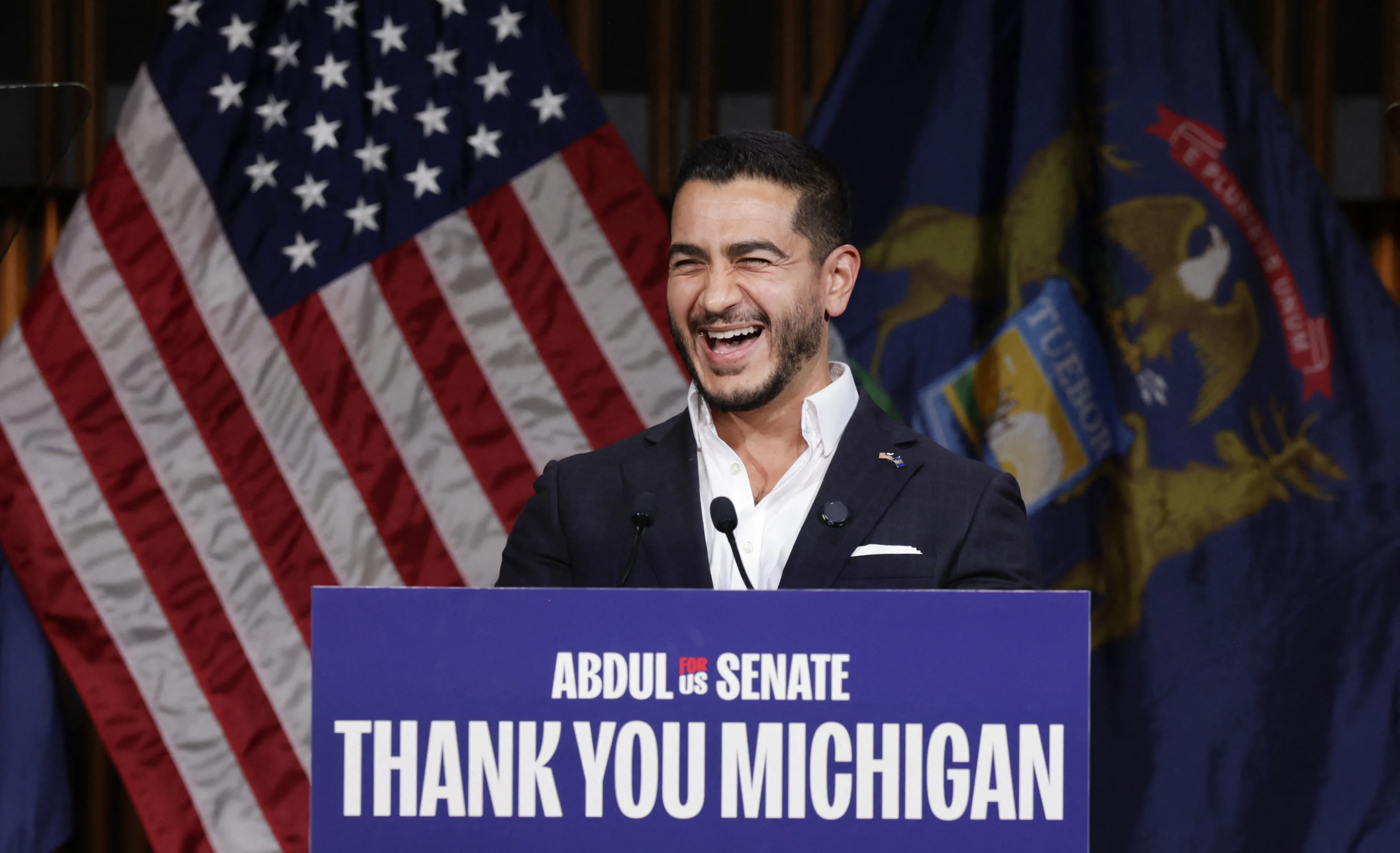
According to an analysis by NPR News, the debate over Medicare for All has returned to the forefront of American politics following campaigns by newly elected Democratic U.S. senators who endorsed the single-payer platform. The legislative push revives longstanding discussions on Capitol Hill regarding systemic restructuring of the nation's healthcare coverage and financing systems.
The policy concept, which proposes replacing the current multi-payer framework of private insurers and public programs with a single federally administered healthcare plan, has circulated in Congress for decades. While the framework has repeatedly gained traction during progressive election campaigns, previous legislative iterations struggled to secure the broad congressional consensus required to advance past committee hearings and floor votes.
Supporters of single-payer reform argue that a universal, government-financed system would guarantee healthcare coverage for every resident while eliminating out-of-pocket costs such as deductibles and copays. Proponents also maintain that a unified public payer could achieve significant administrative efficiencies and provide the federal government with greater leverage to negotiate prescription drug prices and medical fees.
Opponents, including fiscal conservatives, health insurance representatives, and moderate lawmakers, contend that eliminating private employer-sponsored health insurance would disrupt coverage for tens of millions of satisfied Americans. Critics also emphasize the substantial tax increases necessary to finance such an expansion, expressing concerns about federal spending, potential wait times, and operational strain on hospitals and healthcare providers.
Within the Senate, the arrival of newly elected lawmakers who ran on the platform injects renewed energy into the reform coalition, yet the parliamentary path remains steep. Enacting sweeping federal legislation requires navigating narrow chamber margins, entrenched party divisions, and existing procedural requirements such as the 60-vote filibuster threshold.
Even within the Democratic caucus, significant disagreements persist over the scope and speed of healthcare reform. Many moderate lawmakers have historically preferred incremental measures, such as establishing a public option within Affordable Care Act marketplaces or lowering the enrollment age for traditional Medicare, rather than abolishing commercial insurance outright.
The renewed attention also prompts intense scrutiny from across the healthcare sector, where hospitals, pharmaceutical manufacturers, and commercial insurers have historically mounted extensive lobbying efforts against single-payer models. At the same time, public polling has often shown varying levels of support depending on how the reform is described, particularly regarding tax implications and the elimination of private coverage.
As NPR News notes, the fundamental question facing the new legislative session is whether the influx of supportive lawmakers can translate campaign momentum into viable policy traction. While committee debates and introductory bills are expected to bring the issue back into public focus, substantial legislative compromises and fiscal evaluations will dictate whether the proposal can advance beyond symbolic hearings.
Primary source: NPR News. Newzly rewrites and structures source reporting for clarity; verify critical details at the original.