Meghalaya Rules Out Forcing Railway Projects Amid Local Opposition, Conrad Sangma Says
Meghalaya Chief Minister Conrad Sangma said there are no takers for railway projects in the state, confirming the government will not bulldoze connectivity initiatives without public consensus.
In this piece
Meghalaya Chief Minister Conrad Sangma confirmed the government will not push forward stalled railway projects without local consensus. Civil society…
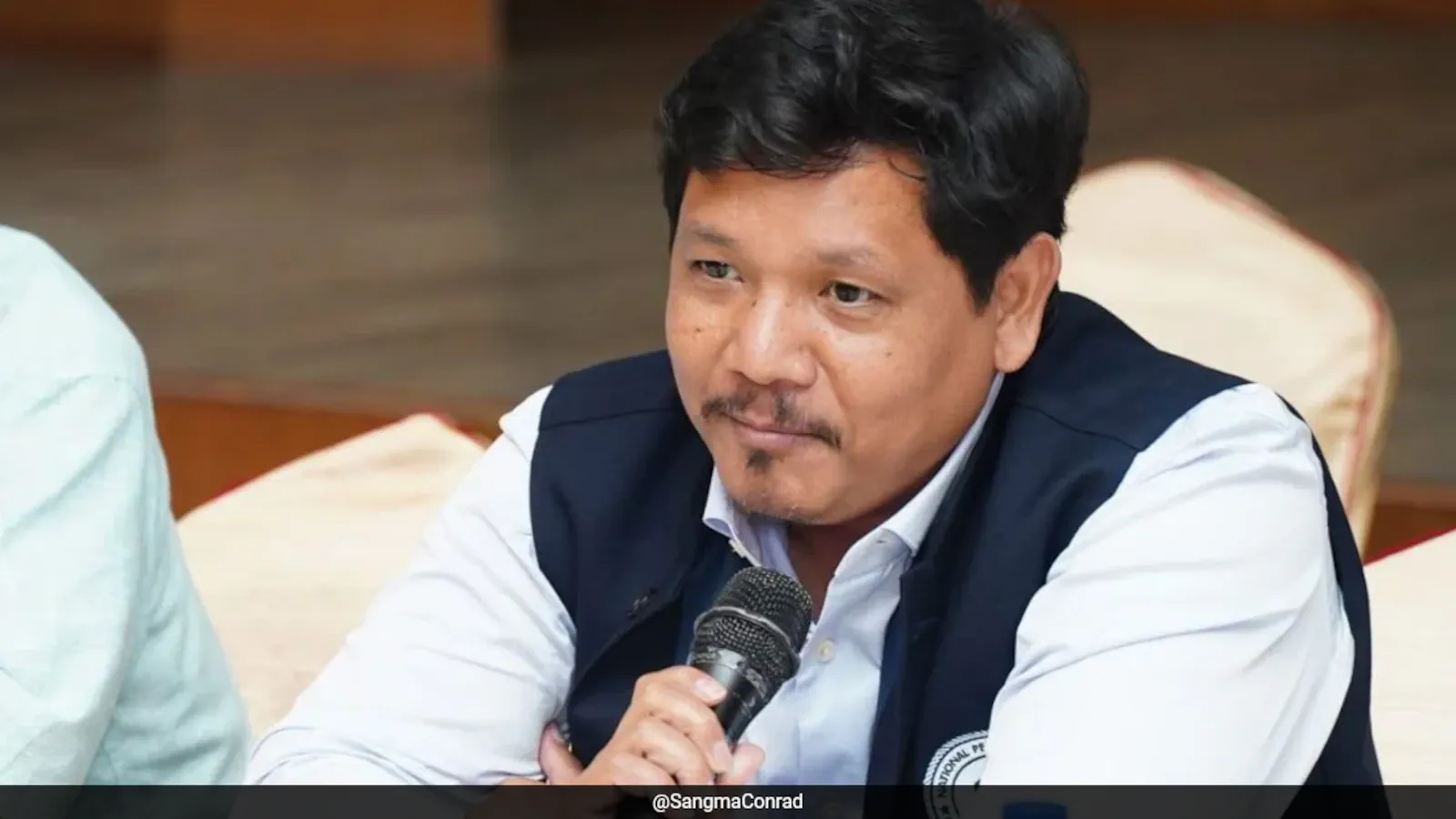
Meghalaya Chief Minister Conrad K. Sangma has announced that there are currently no takers for railway connectivity projects in the state, reiterating that his administration will not force infrastructure development without the consent of local communities. Speaking on the long-delayed expansion into the Khasi-Jaintia Hills region, Sangma stated that the government refuses to bulldoze projects that lack public acceptance. The remarks highlight the persistent deadlock surrounding rail infrastructure in the northeastern state.
The opposition to railway connectivity in the region is spearheaded by various civil society organizations, student bodies, and local stakeholders. These groups harbor deep-seated apprehensions that introducing train networks will trigger uncontrolled influx and illegal immigration into the hill state. For years, regional pressure groups have maintained that railway projects must remain on hold until robust anti-influx mechanisms are instituted.
Central to the opposition is the longstanding demand for the implementation of the Inner Line Permit system across Meghalaya. Community leaders argue that without the travel document requirement, indigenous populations could face demographic shifts and cultural marginalization. While the state legislative assembly previously passed a unanimous resolution supporting the system, final clearance from the central government remains pending.
The prolonged deadlock has created severe administrative and financial complications for the state administration. Because rail construction has remained stalled for years, the central government has asked Meghalaya to return unutilized funds previously earmarked for the project. Sangma warned that surrendering the allocated capital could stall future rail expansion for a decade or two, leaving eastern Meghalaya disconnected from the national grid.
In an effort to mitigate the financial strain on state coffers, the Meghalaya government has initiated discussions with New Delhi regarding the return of these unspent funds. Sangma noted that the state has formally appealed to the Centre to accept only the principal amount rather than demanding accumulated interest. Officials are seeking an interest waiver so that public finances are not unfairly penalized by the community-driven delay.
While recognizing the public's demographic concerns, Sangma highlighted the significant economic penalties that Meghalaya residents endure due to the absence of rail transit. Without freight railway access, the state remains entirely reliant on road transport, which substantially inflates freight charges and the price of everyday commodities. Sangma pointed out that introducing goods trains would significantly reduce logistics costs and provide direct economic relief to ordinary consumers.
Shillong currently remains one of the few state capitals in northeastern India without a direct link to the national railway network. While a railhead operates at Mendipathar in the North Garo Hills district, connecting the western section of the state to Assam, extending lines into the central and eastern highlands has proved far more challenging. Neighboring states across the Northeast have steadily advanced their rail networks to integrate with national commercial corridors.
The chief minister emphasized that the administration favors a step-by-step approach rooted in continuous dialogue rather than executive confrontation. State officials plan to maintain open lines of communication with traditional heads, local councils, and activist organizations to address their reservations. Sangma underscored that fostering genuine trust and establishing viable safeguards must precede any renewed physical construction on the ground.
Looking ahead, the fate of railway connectivity in Meghalaya depends heavily on whether the state and Centre can resolve local anxieties surrounding influx and regulatory safeguards. If consensus remains out of reach and the allocated funds are officially repatriated to New Delhi, any prospect of rail connectivity in the Khasi-Jaintia Hills will likely be deferred for the foreseeable future. The state government faces the delicate task of balancing economic modernization with regional demographic protection.
Primary source: Google News Meghalaya. Newzly rewrites and structures source reporting for clarity; verify critical details at the original.