Modi Backs Women's Reservation Quota Ahead of Special Parliament Session
Ahead of a special parliamentary session, Prime Minister Narendra Modi affirmed that his government's resolve to enact a 33 percent women's reservation quota remains unshaken following cabinet clearance of key reform bills.
In this piece
Prime Minister Narendra Modi has reaffirmed his administration's determination to pass legislation reserving 33 percent of parliamentary seats for women. The…
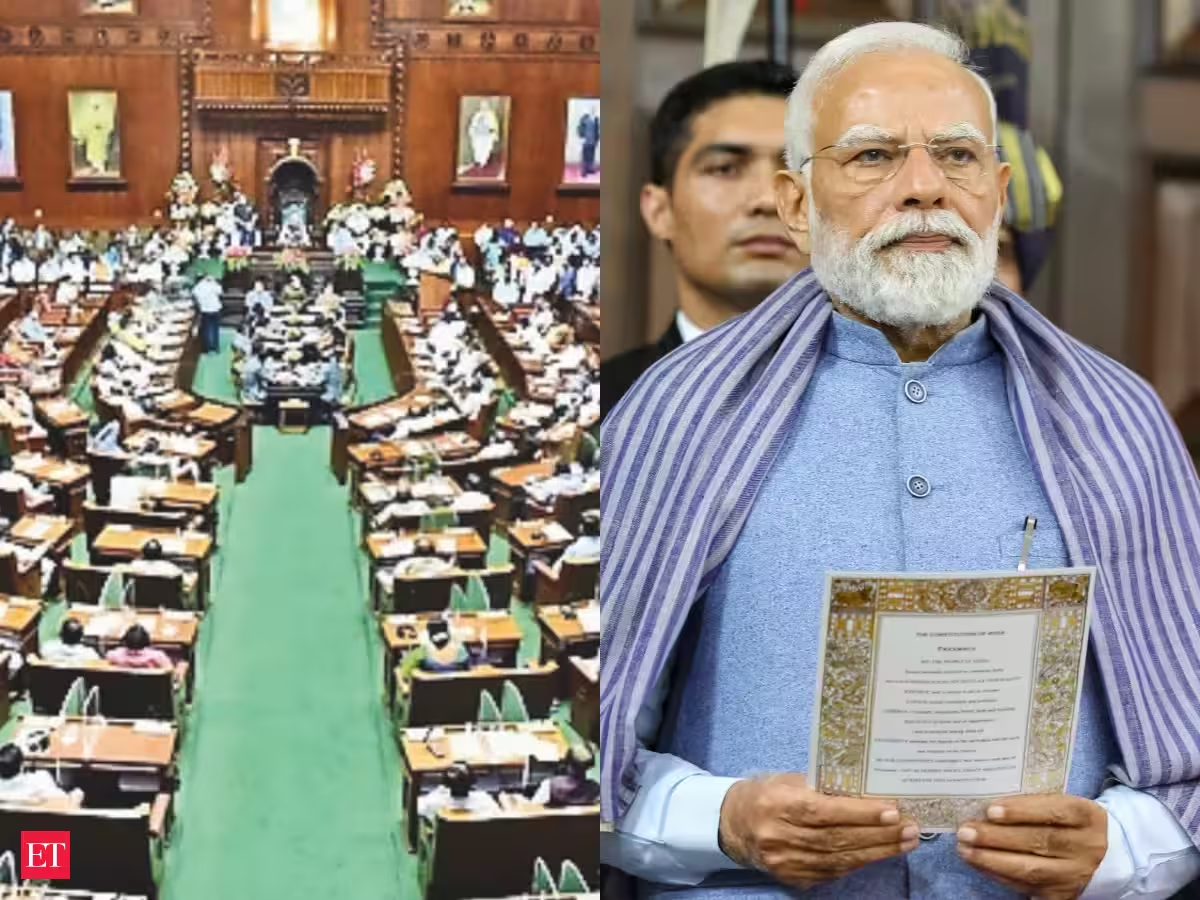
Prime Minister Narendra Modi has reaffirmed his administration's commitment to implementing a 33 percent quota for women in legislative bodies ahead of a crucial special session of Parliament. In a video message released to the public, Modi emphasized that the government's resolve to empower Indian women remains steadfast as lawmakers prepare to convene. The address signals a renewed push by the ruling administration to prioritize gender representation on the national legislative agenda.
The Prime Minister's statements follow the Union Cabinet's formal clearance of key legislative proposals, including constitutional amendment measures and provisions linked to delimitation. These legal frameworks are designed to operationalize the long-discussed policy of reserving one-third of seats in the Lok Sabha and state legislative assemblies for female candidates. Officials indicated that the cabinet decisions aim to clear technical hurdles that previously hindered the rollout of legislative quotas.
Modi framed the legislative push as an essential national objective, stating that his government's dedication to honoring its commitments to Indian women cannot be shaken. Highlighting the concept of "Nari Shakti," or women's power, he asserted that political disagreements should not compromise national progress on gender inclusion. His remarks sought to build momentum and rally broader consensus before the draft bills reach the floor of Parliament.
Addressing persistent opposition and skepticism from various political quarters, Modi insisted that expanding the presence of women in governance is both necessary and inevitable. He maintained that the administration remains prepared to address structural challenges and legislative hurdles that have stalled similar reforms across previous decades. The Prime Minister added that empowering female lawmakers is vital to strengthening democratic institutions across the country.
The effort to mandate female representation in India's lawmaking chambers has a prolonged history stretching back nearly thirty years. While several earlier administrations introduced versions of the women's reservation bill, the legislation repeatedly stalled due to disputes over sub-quotas, party disagreements, and procedural impasses. By reviving the initiative ahead of the special parliamentary sitting, the current government has thrust an enduring political debate back into the spotlight.
A pivotal element of the current legislative framework involves its relationship with the delimitation exercise, which redraws parliamentary and assembly constituency boundaries based on demographic data. Connecting the rollout of the quota to future delimitation processes has generated considerable discussion among constitutional experts and political leaders. Observers note that synchronizing these initiatives involves intricate administrative planning and broad political consultation across states.
Female representation in Indian lawmaking institutions has historically remained low compared to global averages, with women holding a small fraction of total legislative seats. Proponents of statutory reservation argue that affirmative measures are indispensable for overcoming structural barriers and establishing gender balance in public life. Advocates also emphasize that greater participation by women enhances policymaking on education, health care, and social development.
At the same time, the interplay between delimitation and legislative seat allocation touches on sensitive federal dynamics among different regions. Several regional leaders have sought clarity on how seat adjustments and constituency restructuring will unfold, emphasizing that demographic shifts should not disadvantage specific states. Navigating these regional and federal considerations will be critical as lawmakers evaluate the overarching legislative package.
As Parliament convenes for the special session, attention turns to how the government will navigate floor management and debate in both houses. Political parties across the aisle are preparing to scrutinize the specifics of the bills, including the implementation schedule and boundary review mechanisms. The coming days will test the extent of multi-party consensus on one of the country's most significant constitutional and political reform measures.
Primary source: Economic Times. Newzly rewrites and structures source reporting for clarity; verify critical details at the original.