business·Delhi·New Delhi District
Modi's Jobs and Tax Critique Signals Tough Budget Stance for India Inc
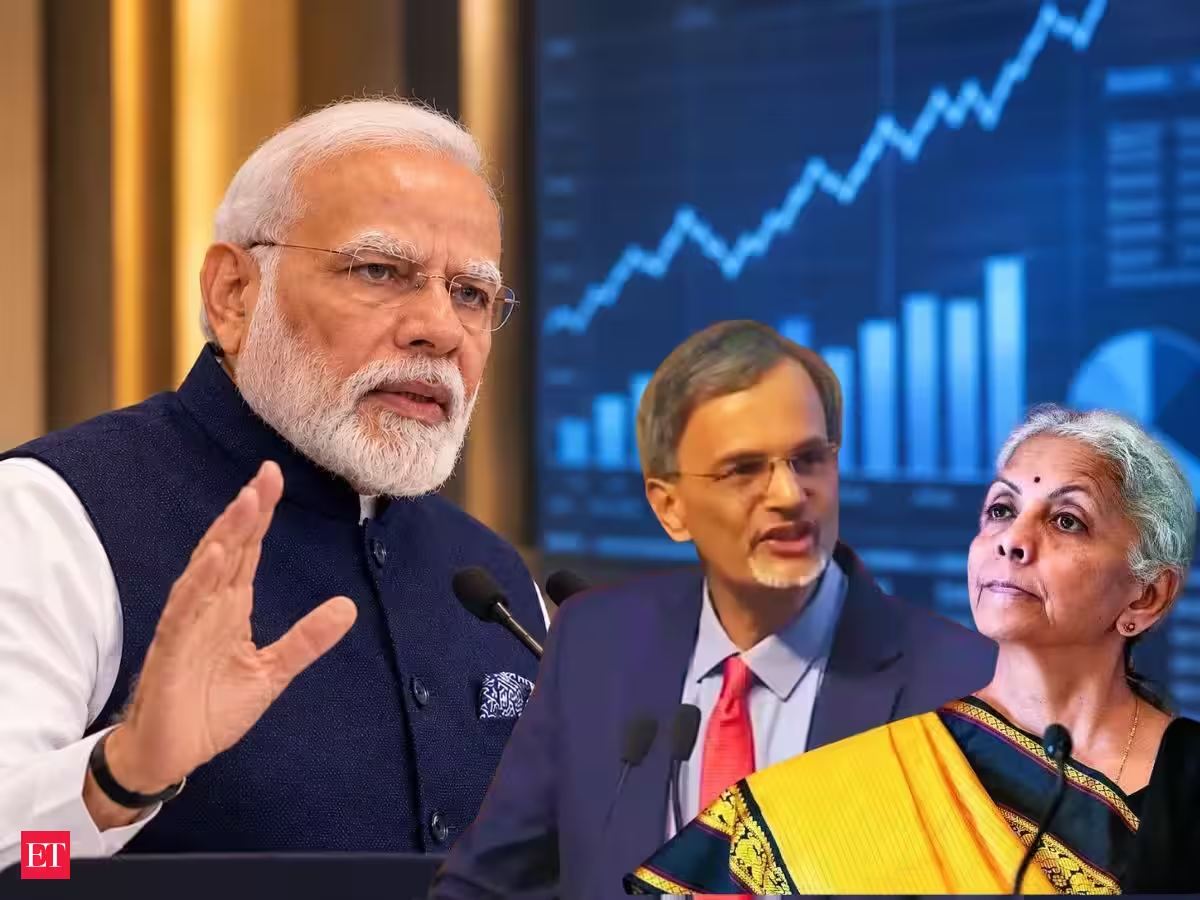
Prime Minister Narendra Modi’s pointed rebuke of Indian corporations over stagnant job creation and wage growth has rattled business leaders, signaling that the government may resist industry demands for fresh tax concessions ahead of the Union Budget.
In this piece
Prime Minister Narendra Modi has questioned whether major corporate tax concessions have delivered adequate job creation and wage growth for Indian workers. The…
Prime Minister Narendra Modi's candid public remarks questioning corporate India's commitment to job creation have sent a clear cautionary message across executive boardrooms. Speaking at a major industry gathering, the prime minister asked why years of state concessions and deregulation had failed to yield commensurate employment gains or meaningful wage increases for domestic workers.
The prime minister pointed out that the federal government had sharply reduced corporate income tax rates, lowering the headline figure from 30 percent to 22 percent, while offering targeted fiscal incentives across multiple sectors. Despite these structural benefits, he criticized what he described as an insatiable appetite for tax concessions alongside an expectation that the state alone shoulder national development priorities.
Corporate executives and industry representatives have interpreted the critique as a stern advisory ahead of consultations for the upcoming Union Budget. The blunt assessment has led many corporate leaders to conclude that aggressive lobbying for fresh corporate tax relief or relaxed capital gains duties will find little receptivity within the Ministry of Finance.
The rebuke arrives amid widening economic discourse surrounding corporate profitability and household purchasing power. Multiple market analyses have highlighted that corporate balance sheets have recovered to multi-year highs in recent fiscal cycles, while broad-based wage growth has struggled to keep pace with retail inflation.
In his address, Modi also challenged businesses to move beyond the safety of their domestic market and capitalize on opportunities under foreign trade agreements. He urged industry chiefs to invest heavily in domestic manufacturing capabilities, expand research capabilities, and actively reduce reliance on imported industrial inputs.
In response to the high-level scrutiny, major industry associations have begun assembling empirical evidence to demonstrate corporate contributions to the broader economy. Business federations are collecting workforce expansion metrics, payroll growth figures, and formal sector job creation statistics to present during pre-budget interactions.
Industry advocates maintain that private capital expenditure and recruitment have faced persistent headwinds from elevated input costs and subdued global demand. Business leaders emphasize that while headline profitability has improved in specific capital-intensive sectors, broader manufacturing lines continue to grapple with uneven consumer spending across rural and semi-urban markets.
The public nature of the confrontation marks a noticeable shift in economic messaging from New Delhi. While the government has historically championed supply-side incentives to foster private investment, the current rhetoric underscores growing official impatience with sluggish private capital formation and an uneven post-pandemic recovery.
As pre-budget representations get underway with Union Finance Minister Nirmala Sitharaman, industry delegates are expected to adopt a more measured, defensive posture. Rather than pushing for headline rate reductions or expansive fiscal breaks, corporate representatives are likely to pivot toward targeted operational streamlining and sector-specific skill development partnerships.
Primary source: Economic Times. Newzly rewrites and structures source reporting for clarity; verify critical details at the original.