More Than Third of Post Offices in TG Jones Stores to Shut by Early 2027
More than a third of Post Office branches inside the TG Jones retail chain will close by early 2027, according to network records. The closures spark growing fears that urban centres could become postal deserts.
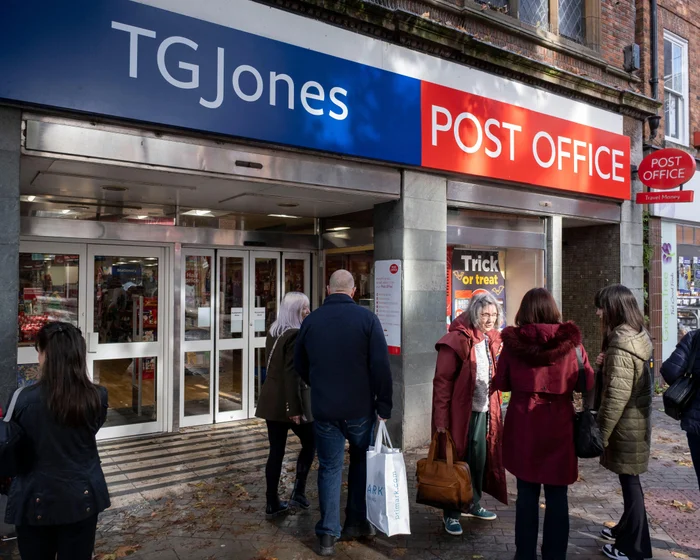
More than a third of the Post Office branches operating inside the troubled TG Jones retail chain are scheduled to close by early 2027, according to an analysis of network records. The impending wave of departures follows dozens of recent closures across the network, escalating concerns over the accessibility of essential counter services in commercial centres across the country. The developments highlight mounting pressure on urban high streets that rely heavily on host retailers for basic infrastructure.
According to Post Office records examined by the Guardian, 36 branches housed within the chain have already ceased operations so far this year. An additional 34 locations are slated to shut their doors by early 2027, bringing the total reduction to 70 postal outlets across the company's national retail footprint. The figures represent more than one in three of the postal counters operating across the commercial estate.
The retail chain, which previously operated under the prominent WH Smith high street brand, has been navigating ongoing commercial turbulence and restructuring. For decades, the business served as one of the primary commercial host partners for postal branches in prominent town and city centres. Its current difficulties have therefore had an immediate and disproportionate knock-on effect on the postal network's physical reach.
The scale of the closures has ignited growing alarm that towns and even major city centres face being left as postal deserts. When long-standing branch locations disappear from primary commercial thoroughfares, local consumers and small businesses are frequently left without convenient physical access to basic counter transactions. Critics fear the resulting gaps could permanently undermine connectivity for populations that still depend on in-person services.
In many communities, franchise counters inside larger retail stores have become essential hubs for everyday economic life following years of independent branch rationalisation. Beyond processing parcels and standard letter correspondence, these counters often handle vital everyday banking transactions, cash withdrawals, and bill payments. The sudden absence of a local counter can leave vulnerable residents and independent traders without practical access to financial services.
Partner arrangements have formed the operational backbone of modern postal networks, allowing counters to share operational overheads and footfall with established high street stationers and general merchants. However, this commercial interdependence carries significant structural risks when host retailers experience distress or store closures. When a host company contracts its store estate, the embedded post office is rarely insulated from the broader retail fallout.
Whether replacement operators or alternative host locations can be secured for the affected communities remains deeply uncertain. Securing suitable commercial partners willing to take on counter obligations often proves difficult, particularly in town centres where footfall is contracting and operating costs remain elevated. As a result, shuttered branches often remain dark for extended periods without immediate successors.
The impending loss of these branches also carries broader implications for surrounding high street ecosystems. Vital anchor facilities such as postal counters historically generate steady daytime foot traffic that supports neighbouring shops, cafes, and independent businesses. Removing these community anchors risks accelerating commercial decline across already vulnerable retail districts.
With closures continuing toward early 2027, public attention is likely to turn toward how postal authorities and community leaders respond to the shrinking branch map. Mitigating the risk of emerging postal deserts will depend heavily on identifying workable alternative service models or finding viable new commercial partners. For dozens of town centres, the coming months will determine whether essential counter services can be preserved or lost indefinitely.
Primary source: The Guardian Business. Newzly rewrites and structures source reporting for clarity; verify critical details at the original.