Most UK Levelling Up Projects Remain Unfinished Years After Funding Approval
Freedom of information records reveal that more than 800 levelling up schemes across the UK remain unfinished, leaving dozens of council areas without a single completed project years after funds were allocated.
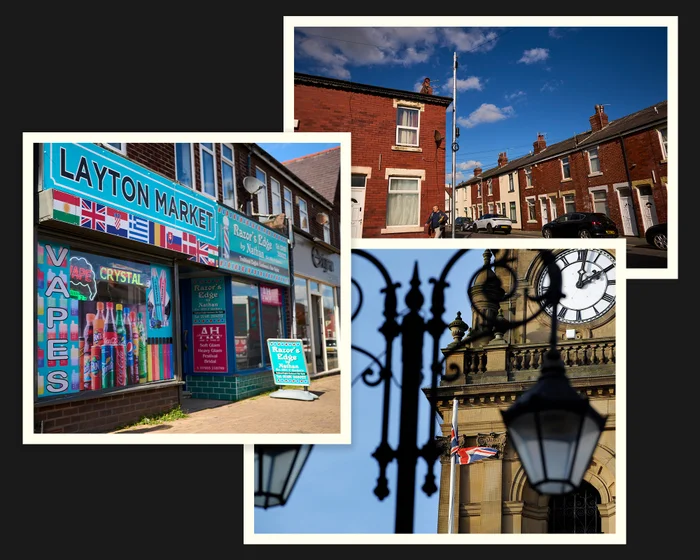
A majority of the flagship levelling up projects backed by central government funding remain unfinished years after capital was first allocated. An analysis of official disclosures reveals that delivery has lagged substantially behind initial targets intended to drive regional economic regeneration. The backlog underscores the widening divide between political commitments on geographic equality and practical delivery on the ground.
According to data released under freedom of information laws and manually reviewed by the Guardian, 821 out of 1,347 approved levelling up schemes were yet to be finalised as of May. The records demonstrate that despite extensive financial allocations designated to support struggling areas, a substantial proportion of sites remain under development. This leaves hundreds of funded proposals awaiting full sign-off long after approval.
The consequences of these prolonged timelines are visible across local government districts nationwide. Across the UK, 73 council areas that successfully had a bid for a project accepted had yet to see a single scheme reach complete finalisation at the time the records were compiled. The figures indicate that administrative success in winning funding rounds has not readily translated into finished community assets.
Subsequent tracking indicates that while some activity has progressed in recent months, overall completions remain modest relative to the volume of pending work. The Guardian identified 59 individual projects that reached completion after the initial data was collected. However, those newly finalised schemes represent only an incremental reduction in the large volume of outstanding projects across the UK.
The findings highlight how ambitious Conservative promises of rapid progress on regional equality have faltered in practice. The levelling up agenda was introduced as a cornerstone economic policy aimed at addressing systemic imbalances between prosperous areas and neglected communities. Despite high-profile announcements, the delivery framework has struggled to meet initial expectations for visible regional renewal.
The scope of the policy encompassed substantial long-term investments, including major commitments such as a 5.8 billion pound scheme designed to help revive struggling town centres like Grimsby. Such programs were intended to inject vital resources into local high streets, civic infrastructure, and urban centres. Yet turning these large-scale central funding packages into operational facilities and revitalised spaces has proved consistently challenging.
The persistent lag raises critical issues regarding the speed and efficacy of regional development programs. For residents and local businesses, uncompleted works delay the civic improvements, commercial revitalization, and economic benefits originally promised. The prolonged execution phase also leaves local authorities managing protracted disruption in town centres without the immediate payoff of completed infrastructure.
The data also highlights the structural hurdles facing local authorities tasked with managing capital schemes alongside regular public services. Delivering complex civic works requires extensive planning, technical reviews, and coordination across multiple contractors and government bodies. With 73 council areas registering zero completed projects by May, delivery bottlenecks appear widespread across diverse municipal jurisdictions.
Looking ahead, the status of the remaining hundreds of unfinalised initiatives will face heightened scrutiny from regional leaders and public expenditure monitors. As local councils work to advance delayed sites, pressure will continue to mount on funding coordinators to ensure outstanding capital is fully delivered. Whether these stalled projects can be brought across the finish line will serve as a crucial test for future regional regeneration strategies.
Primary source: The Guardian Business. Newzly rewrites and structures source reporting for clarity; verify critical details at the original.