world·Delhi·New Delhi District
Union Health Minister J.P. Nadda Pushes Healthcare Technology While Warning Against Sex Selection Misuse
Union Health Minister J.P. Nadda called for expanding technological innovation in public healthcare while directing strict regulatory enforcement against the misuse of digital tools and diagnostic equipment for illegal sex selection.
In this piece
Addressing the Central Supervisory Board, Union Health Minister J.P. Nadda urged authorities to harness modern technology to improve healthcare delivery while…
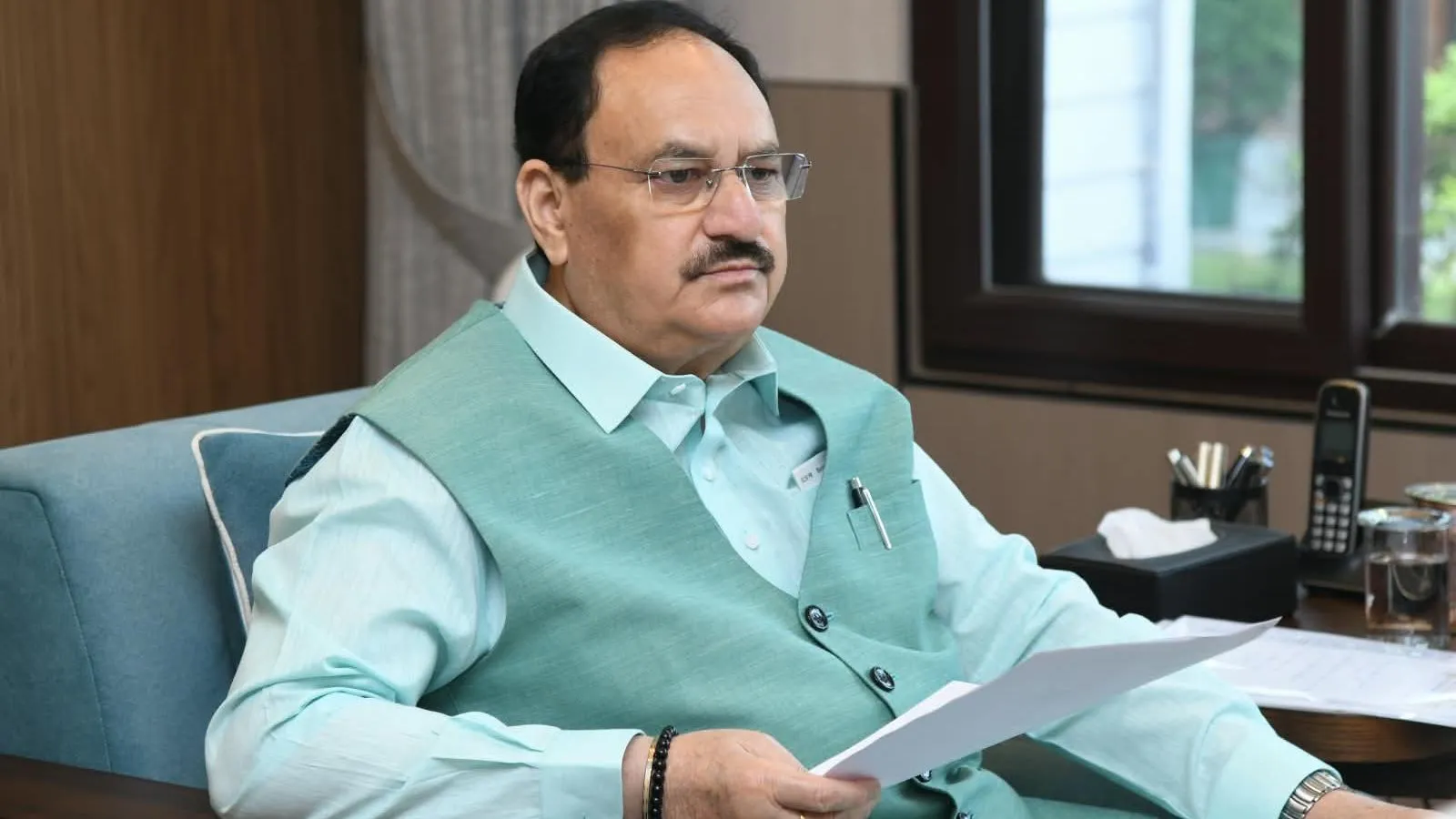
Union Health Minister J.P. Nadda emphasized the urgent need to integrate modern technology into public healthcare delivery while issuing a stern warning against its exploitation for illegal sex selection. Speaking at the 32nd meeting of the Central Supervisory Board under the Pre-conception and Pre-natal Diagnostic Techniques Act in New Delhi, Nadda instructed authorities to maintain constant vigilance against emerging diagnostic malpractices.
The minister underscored that technological progress, ranging from advanced imaging systems to digital health records, must serve to expand social inclusion and medical access rather than facilitate unlawful gender discrimination. He cautioned that portable diagnostic devices, genetic screening technologies, and internet platforms pose evolving enforcement challenges that require swift administrative adaptation.
Addressing digital compliance, Nadda highlighted the critical oversight role played by the National Institute of Health and Family Welfare. Acting as a dedicated nodal agency established following directions from the Supreme Court, the institute is charged with actively monitoring the internet and coordinating with law enforcement cyber cells to remove illegal advertisements and content promoting sex determination.
The Union Health Ministry directed states and Union Territories to accelerate the end-to-end digitization of regulatory processes mandated under the PC and PNDT Act. Nadda called upon state administrations to conduct frequent, unannounced inspections of registered diagnostic clinics and ultrasound centers to ensure rigorous adherence to statutory requirements.
During the review session, the board examined demographic figures from the latest Sample Registration System report, which placed India's national Sex Ratio at Birth at 918 females per 1,000 males for the 2022 to 2024 period. While several states, including Chhattisgarh with a ratio of 978, demonstrated notable gains, officials noted that persistent regional imbalances necessitate continued enforcement.
The meeting, attended by Union Minister of State for Health and Family Welfare Anupriya Patel along with senior health officials and regulatory stakeholders, also addressed cross-border evasion. Authorities stressed the necessity of structured inter-state coordination to prevent syndicates and clinics from evading local scrutiny by moving across administrative borders.
To strengthen the grass-roots enforcement apparatus, the ministry resolved to intensify capacity-building initiatives for district and sub-district monitoring authorities. Training programs will focus on equipping local officers with the legal and technical know-how needed to audit computerized medical records and detect illicit modifications to diagnostic equipment.
India enacted the PC and PNDT Act in 1994 to halt the decline in the child sex ratio caused by the proliferation of prenatal diagnostic techniques. While technology has drastically improved diagnostic accuracy for genuine medical interventions, the commercialization of compact imaging equipment and digital marketing has created new loopholes that threaten statutory protections for the girl child.
Moving forward, the Central Supervisory Board plans to establish more responsive compliance frameworks that combine digital tracking with community awareness initiatives. Regulatory bodies will continue reviewing enforcement metrics with state authorities, aiming to ensure that technological advancements in medicine support public welfare without undermining gender equity.
Primary source: The Indian Express. Newzly rewrites and structures source reporting for clarity; verify critical details at the original.