Mystery Over Source of Nigeria's First Ebola Infection in a Decade Fuels Regional Concern
Health officials are investigating how the wife of a Swiss diplomat contracted Ebola before arriving in Abuja, marking Nigeria's first case in a decade as regional authorities work to track potential exposure chains.
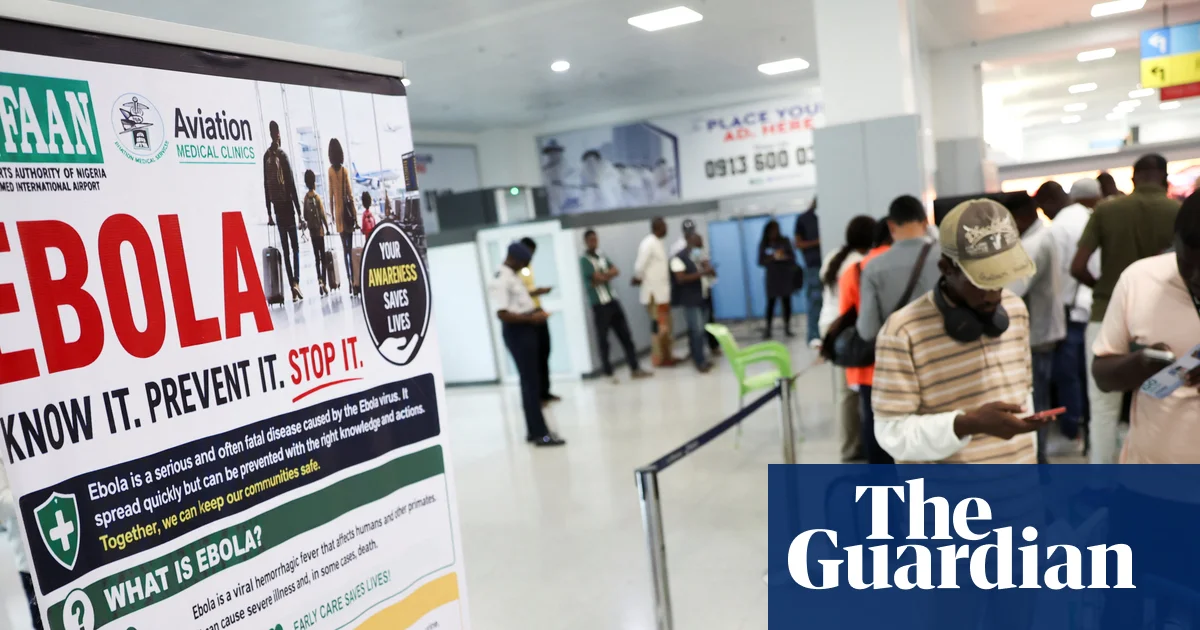
Health authorities across Africa are intensifying surveillance after Nigeria confirmed its first Ebola patient in more than a decade. The confirmed case involves the Ugandan-born wife of a Swiss diplomat stationed in the federal capital of Abuja, prompting an urgent cross-border inquiry into potential exposure chains. Officials are treating the detection with high priority to prevent any domestic transmission.
The Swiss Federal Department of Foreign Affairs confirmed that the patient had recently traveled with her husband in Uganda, where she is believed to have contracted the virus. Diplomatic and medical officials noted that the woman had not visited the Democratic Republic of the Congo, where the broader regional outbreak was first identified in mid-May.
The absence of a direct travel link to the primary outbreak zone in Central Africa has generated significant concern among epidemiologists. Public health officials in Uganda have reported no confirmed community transmission within their borders, leaving investigators to examine transit routes and potential unrecognized clusters. The ambiguity surrounding the transmission route has complicated regional containment assessments.
The broader outbreak began five months ago in the Democratic Republic of the Congo before spreading to Uganda and Kenya, with Nigeria becoming the fourth African nation affected. The arrival of the virus in Abuja marks its first appearance in West Africa during the current cycle, demonstrating how rapid air transit can bypass traditional geographic boundaries.
Following confirmation of the diagnosis, Nigerian authorities immediately initiated standard containment protocols and placed the patient into specialized medical isolation in Abuja. Public health officers launched comprehensive contact tracing operations to identify and monitor dozens of airline passengers, airport staff, and household contacts who may have had direct exposure.
Nigeria previously confronted the disease during the severe 2014 West African epidemic, when an infected traveler arrived in the commercial hub of Lagos. At the time, Nigerian health agencies received widespread international commendation for rapidly deploying containment teams, isolating suspected contacts, and successfully halting widespread local transmission within weeks.
International health agencies, including the World Health Organization and the Africa Centres for Disease Control and Prevention, are actively supporting the investigation. Health officials emphasized that undetected transmission routes present serious challenges for containment, particularly when patients traverse major regional aviation hubs. Enhanced screening measures are being reviewed across multiple points of entry.
Medical experts note that while regional diagnostic capacity and emergency response mechanisms have improved significantly over the past decade, vigilance remains essential. Hospitals and health centers across Nigeria have been advised to maintain elevated suspicion for unexplained hemorrhagic fever symptoms. Early isolation of suspected cases remains the most effective defense against secondary household and healthcare infections.
Regional coordination efforts are expected to intensify in the coming days as laboratory teams complete genomic sequencing to trace the specific viral strain. Health ministries across East and West Africa continue to share transit data and surveillance findings to determine whether other travelers may have been exposed. Officials maintain that transparent reporting and rapid contact tracing will be critical to keeping the outbreak contained.
Primary source: The Guardian World. Newzly rewrites and structures source reporting for clarity; verify critical details at the original.