UK Households Advised to Keep Three Days of Emergency Supplies
British households are being urged to assemble three-day emergency kits of non-perishable food, water, and basic essentials to bolster domestic resilience against severe weather, power outages, and infrastructure disruptions.
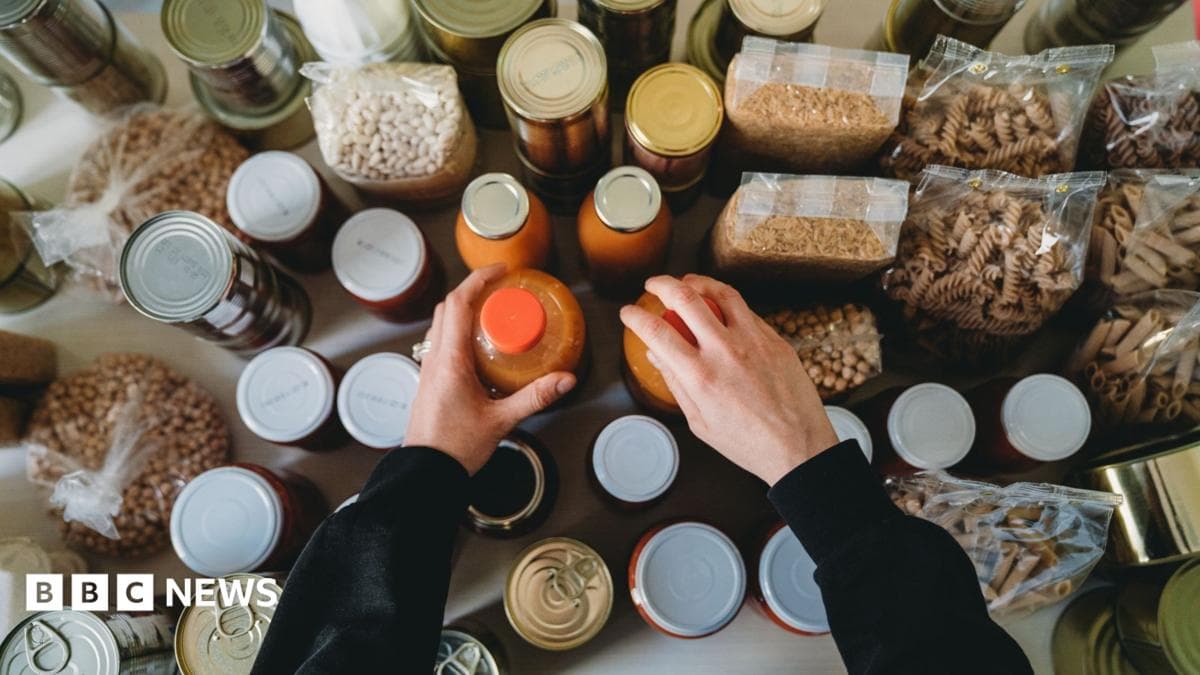
The UK government has advised households across the country to maintain a three-day supply of emergency essentials to safeguard against unexpected national disruptions. The recommendation encourages citizens to keep a stock of bottled water, non-perishable food, and basic household items readily accessible at home. Officials have framed the measure as a sensible precaution rather than a response to any imminent crisis.
Under the published guidance, families are asked to assemble at least three litres of drinking water per person per day alongside provisions that do not require heating or refrigeration. Recommended items include tinned meats, vegetables, dried foods, and high-energy snacks. The advice also highlights non-food essentials such as torches, spare batteries, a portable power bank for mobile devices, and a wind-up or battery-operated radio.
In addition to food and communication tools, the government checklist incorporates medical supplies and administrative essentials. Households are encouraged to store basic first-aid equipment, personal prescription medications, wet wipes, and hand sanitiser. Authorities also suggest keeping hard copies of critical identification papers, emergency contact details, and a modest amount of cash in case electronic payment terminals become unavailable.
The emergency preparedness guidance is designed to enhance civil resilience against a wide range of modern hazards. Government assessments have increasingly pointed to risks associated with extreme weather events, such as flash flooding and severe winter storms that frequently sever transport and power links. Beyond environmental factors, planners have cited potential vulnerabilities arising from cyber attacks, widespread power blackouts, and disruptions to digital infrastructure.
Ministers and emergency planners have been careful to discourage panic buying, stressing that supplies should be built up gradually during normal grocery shopping. Officials have reiterated that the goal is not to hoard goods, but to establish a steady cushion of domestic preparedness. This incremental approach is meant to prevent artificial shortages on supermarket shelves while fostering long-term household self-sufficiency.
Civil defence specialists note that independent household resilience plays a crucial role in broader public disaster management. When families can sustain themselves through the initial 72 hours of an emergency, frontline responders can direct their limited resources toward vulnerable residents and hospitals. Early community self-reliance effectively shortens response delays and relieves immediate pressure on regional emergency networks.
The initiative brings British emergency planning closer into line with established civilian defence policies in several European and Nordic nations. Countries such as Sweden, Finland, and Germany have long issued comprehensive survival booklets and civil readiness instructions to their citizens. While the UK public has historically experienced fewer formal preparedness drives in peacetime, ministers argue that contemporary geopolitical and climatic challenges require greater public awareness.
Despite official assurances, the recommendation has generated mixed reactions among consumer groups and anti-poverty campaigners. Critics have pointed out that purchasing surplus food, spare technology, and bottled water presents financial challenges for lower-income households coping with the rising cost of living. In response, community organisations have suggested that households focus on low-cost items and rotate everyday pantry goods rather than making costly one-off investments.
Moving forward, government agencies plan to continue expanding public awareness campaigns across regional councils, online portals, and community workshops. Emergency planners will monitor household uptake while collaborating with retail suppliers and utility providers to strengthen local distribution networks. Officials maintain that regular reviews of civil readiness guidance will remain an ongoing priority as environmental and infrastructure challenges evolve.
Primary source: BBC Science. Newzly rewrites and structures source reporting for clarity; verify critical details at the original.