NASA's NG-25 Mission to Launch Pioneering Space Crop Research
NASA is preparing to send cutting-edge agricultural experiments to the International Space Station aboard Northrop Grumman’s 25th resupply mission, testing advanced crop cultivation systems designed to sustain future deep-space human exploration.
In this piece
NASA's upcoming NG-25 commercial resupply mission will transport pioneering space crop research and biological investigations to the International Space…
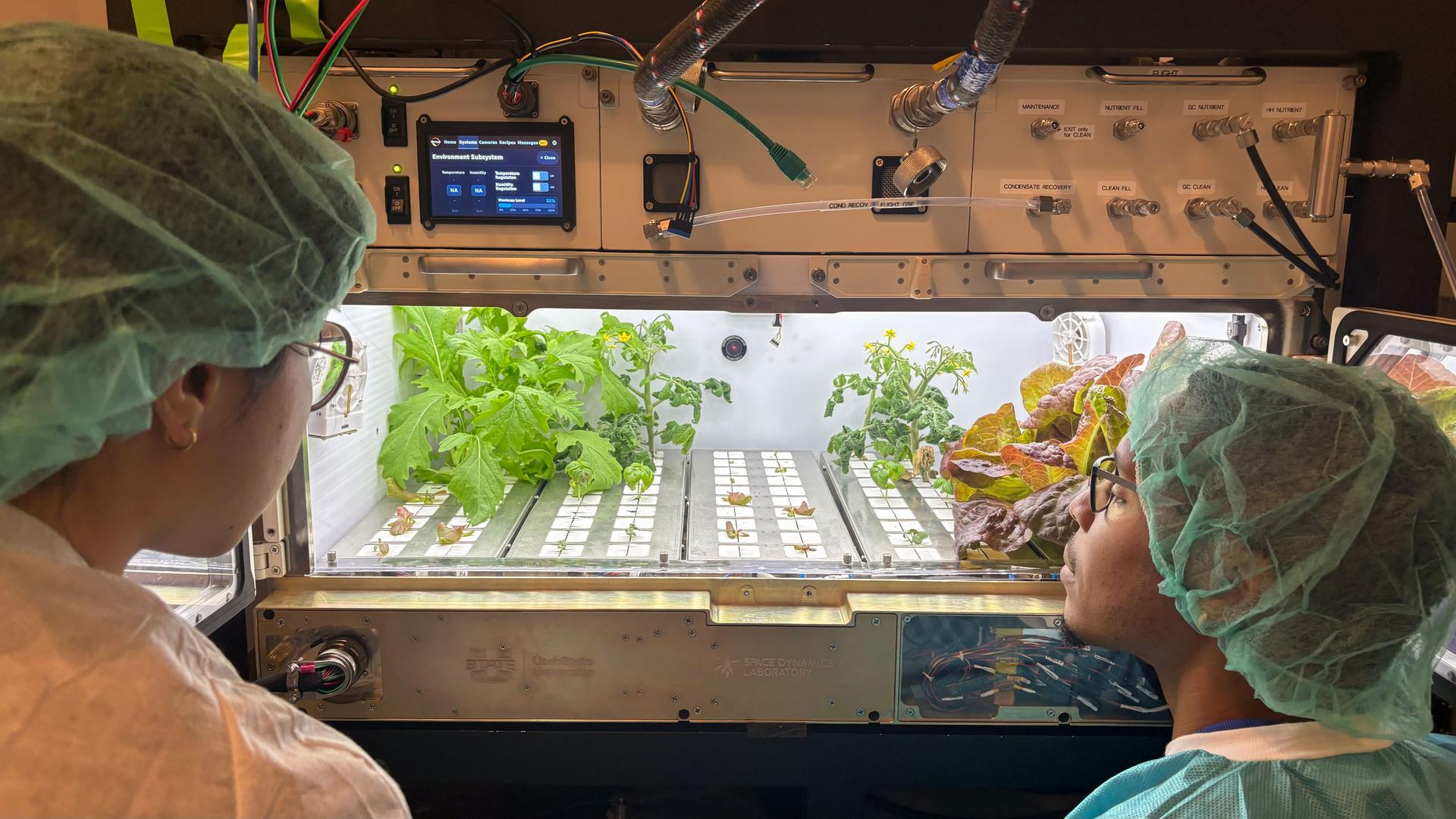
NASA is preparing to launch a suite of scientific investigations to the International Space Station, highlighted by a first-of-its-kind space crop production system. The payloads will travel aboard Northrop Grumman's 25th Commercial Resupply Services mission, designated NG-25, conducted on behalf of the agency. The mission marks another milestone in routine orbital logistics and technological demonstration.
The research payloads are organized by NASA's Biological and Physical Sciences Division to expand scientific understanding of agriculture and biology in microgravity. Among the primary objectives is assessing how automated systems can reliably cultivate crops in the extreme environment of low Earth orbit. The agency noted that the investigations will also evaluate broader impacts on human health during extended orbital stays.
Growing fresh food in orbit represents a fundamental technological hurdle for human space exploration. While astronauts aboard the space station currently depend on regular resupply missions for fresh rations and shelf-stable packaged meals, deeper journeys into space will make resupply flights impossible. Testing sophisticated crop production systems in orbit allows researchers to identify the biological limits and mechanical requirements of off-planet farming.
Operating cultivation hardware in weightlessness presents unique engineering challenges, particularly regarding fluid dynamics, air exchange, and root aeration. Without gravity, water and nutrients behave unpredictably around plant roots, requiring specialized delivery mechanisms to prevent root drowning or dehydration. The new crop production system delivered on NG-25 is configured to refine these processes and optimize space and resource efficiency.
Beyond basic caloric sustenance, fresh crops play an essential role in preserving crew wellness during prolonged spaceflights. Extended isolation and cosmic radiation can degrade packaged nutrients over time, making living produce vital for supplemental nutrition and crew morale. Understanding the physiological and psychological benefits of tending and consuming fresh crops will guide future mission architecture.
NASA emphasized that the research conducted through the Biological and Physical Sciences Division is not limited to space travelers. Developing compact, hyper-efficient growing systems with closed-loop water and nutrient recycling directly informs terrestrial agricultural innovation. These technologies hold potential for vertical farming, urban greenhouses, and sustainable food production in regions facing resource scarcity or harsh climates on Earth.
The upcoming launch also illustrates the enduring role of public-private partnerships in supporting orbital research and space station operations. Through the Commercial Resupply Services contract, Northrop Grumman routinely provides vital cargo delivery services using its Cygnus spacecraft. These commercial logistics flights ensure that station crews receive necessary operational hardware, life-support supplies, and experimental apparatus without interruption.
Once installed aboard the orbital laboratory, the experimental hardware will undergo installation and monitoring by the station crew over the coming months. Researchers on the ground will analyze biological samples and operational data returned from the facility to refine future flight designs. The results are anticipated to inform long-term strategies for sustainable human habitation beyond Earth.
Primary source: NASA Breaking News. Newzly rewrites and structures source reporting for clarity; verify critical details at the original.