Nathan Fielder Sought ‘Kill Switch’ for Holmes Documentary, Oppenheim Says
Lance Oppenheim says Nathan Fielder negotiated an option to abandon their Elizabeth Holmes documentary with A24 if filming failed to produce a sufficiently distinctive story.
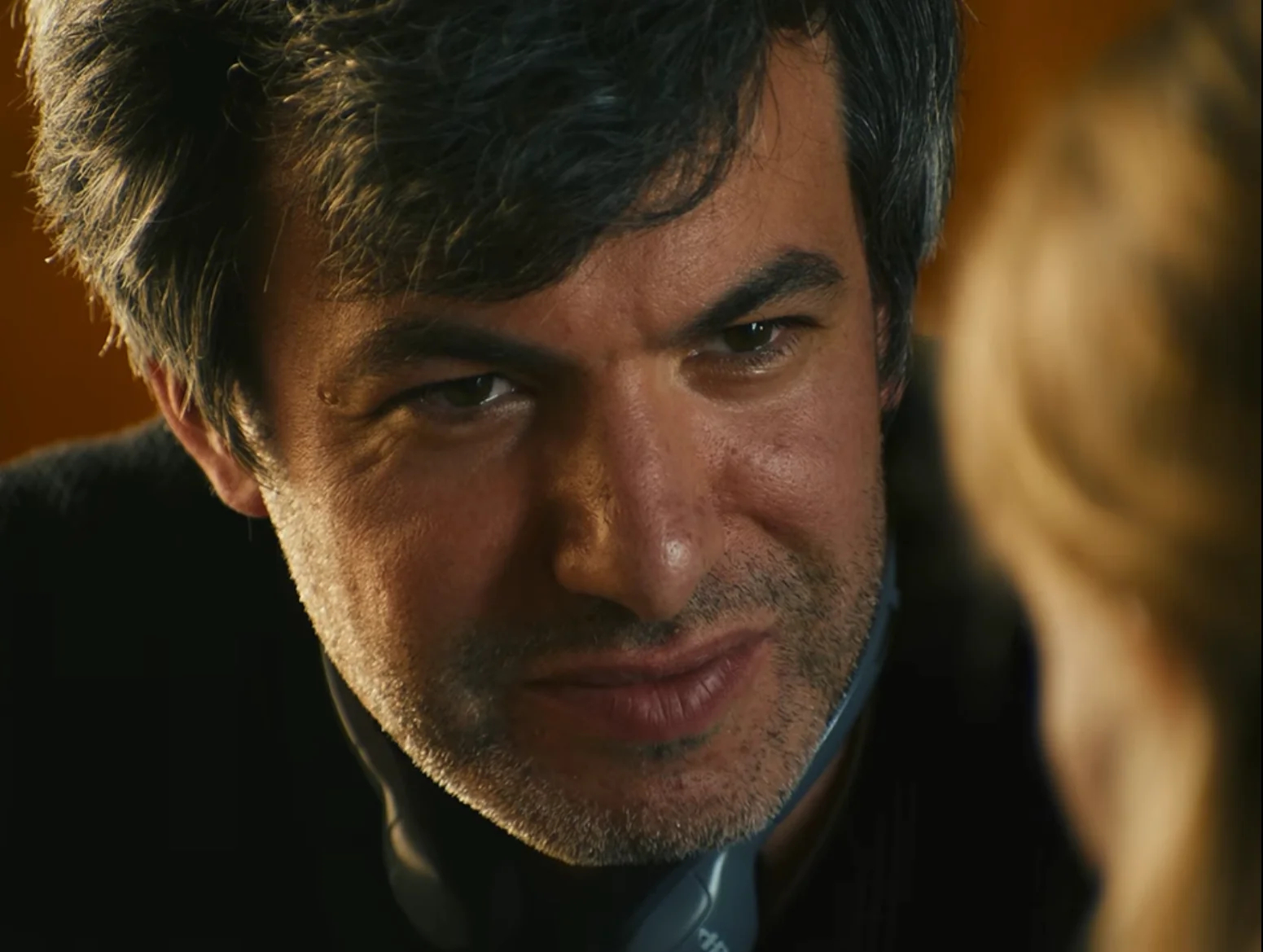
Nathan Fielder negotiated a “kill switch” with A24 before making the Elizabeth Holmes documentary “You Can See Everything,” according to co-director Lance Oppenheim. As reported by Variety, the arrangement gave the filmmakers a way to abandon the project if they could not find a sufficiently distinctive story.
“If we didn’t find something, we could just throw it all away,” Oppenheim said in the quotation carried in Variety’s headline. His account describes a project that began with uncertainty about its creative possibilities, despite the access offered by its central subject. Fielder’s skepticism concerned whether that access could yield a film worth making.
The distinction is important to understanding the agreement Oppenheim described: the filmmakers were not treating the opportunity to document Holmes as sufficient justification for a finished release. They wanted room to discover a narrative rather than assume one would emerge. The option to stop was therefore part of the project’s starting conditions, not simply a response to difficulties encountered later.
A24’s official synopsis supplies the documentary’s initial setting. It says Holmes invited a skeptical film crew to document her movements 34 days before she was due to enter prison. The company describes the resulting film as a three-year journey, indicating that its scope extended well beyond that opening period of access.
That premise places the relationship between subject and filmmakers at the center of the documentary’s setup. Holmes offered access, but Oppenheim’s account suggests the directors still questioned what they could establish through it. Being allowed to observe someone and finding a distinctive way to tell their story were separate considerations from the outset.
The reported arrangement also highlights a practical tension in documentary production: filming may begin before the eventual shape of a story is clear. In this case, Oppenheim described an explicit possibility that the material would not become a released film. His comments do not, by themselves, establish the agreement’s detailed contractual terms or explain how a decision to abandon it would have been made.
The project ultimately did reach audiences, moving beyond the uncertainty Oppenheim described. A24 lists Fielder and Oppenheim as its directors and gives the documentary a running time of two hours and 55 minutes. Its official release information identifies an October 16, 2026, theatrical opening.
For viewers, Oppenheim’s account offers a production detail rather than a definitive explanation of what the finished documentary reveals. The central question was whether the filmmakers could find something that justified continuing, and the release shows that they ultimately proceeded. What persuaded them to do so remains a question for the film and their further accounts of making it.
Primary source: Variety. Newzly rewrites and structures source reporting for clarity; verify critical details at the original.