Niesr warns Bank of England risks keeping interest rates higher for longer
The thinktank says the Bank of England’s limited response to rising inflation could prolong price pressures, leaving inflation above its 2% target until at least 2030.
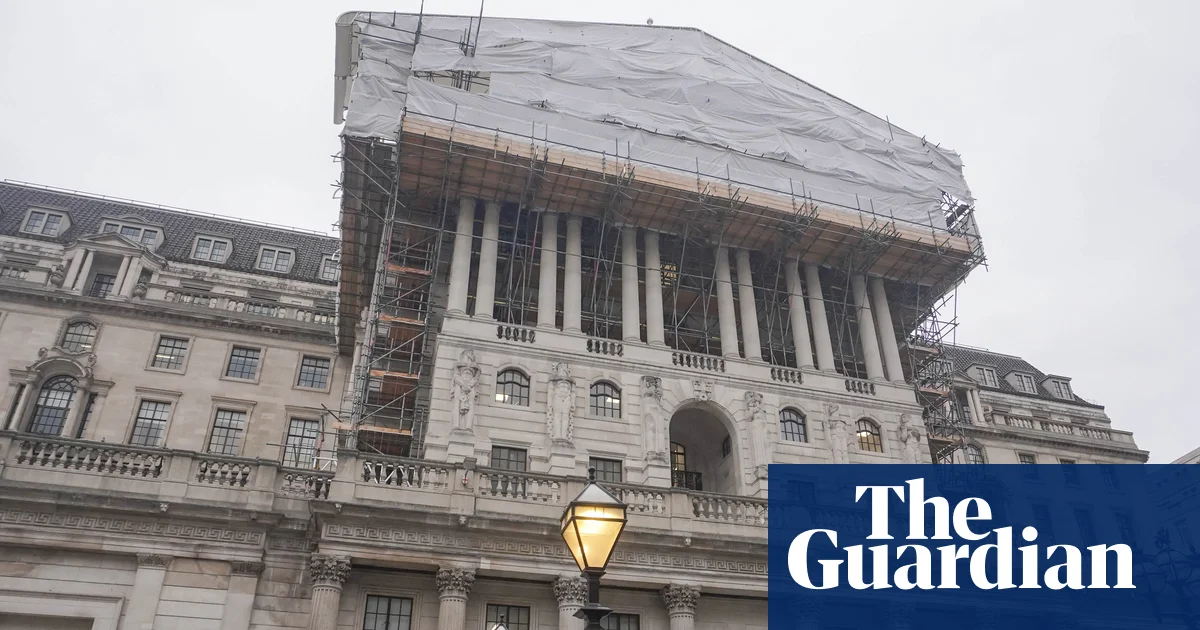
The Bank of England risks having to keep interest rates higher for longer because its response to rising inflation has been too cautious, according to the National Institute of Economic and Social Research. The thinktank warned that the central bank’s latest increase could prove insufficient to bring price pressures under control.
In the assessment reported by the Guardian, Niesr said the modest increase announced the previous week was likely to leave inflation above the Bank’s 2% target until at least 2030. That is the institute’s forecast, rather than an established outcome, and reflects its criticism of the pace of monetary tightening.
The warning puts the timing of interest rate decisions at the centre of the debate over Britain’s inflation outlook. Niesr’s argument is that holding back now could make inflation a more persistent feature of the economy, ultimately requiring a longer period of restrictive borrowing costs rather than avoiding the need for them.
Interest rates are used to influence demand across the economy, with higher borrowing costs generally discouraging spending and investment. Their effects take time to work through, which makes central bank decisions a judgment about future inflation as well as the price increases households and businesses are already experiencing.
That delay creates a difficult policy balance: tightening too little can leave inflationary pressure unresolved, while tightening too much can weaken economic activity unnecessarily. Niesr’s criticism places greater weight on the first risk, suggesting that the latest increase did not adequately address the possibility of inflation remaining above target for years.
For households and businesses, the distinction between a higher rate now and elevated rates for longer can have practical consequences. A prolonged period of expensive credit can affect borrowing decisions, refinancing plans and investment, although the impact varies according to loan terms and when borrowers need to obtain new finance.
Persistent inflation presents a separate challenge because slower price growth does not mean that earlier increases in the cost of living are reversed. Returning inflation to target would mean prices rising at a more moderate pace, making the duration of any overshoot important alongside the level inflation reaches at a particular moment.
The next test will be whether incoming evidence supports Niesr’s warning that the Bank needs a stronger response. Its assessment frames the policy choice as one between firmer action sooner and potentially more prolonged restraint later, but the eventual path of inflation and interest rates remains uncertain rather than predetermined by the latest decision.
Primary source: The Guardian Business. Newzly rewrites and structures source reporting for clarity; verify critical details at the original.