business·District of Columbia·District of Columbia
Nvidia loses $430 billion in value as board hires lawyers to investigate spy allegations
Nvidia’s board has hired outside lawyers to investigate allegations involving chief executive Jensen Huang, as a sharp share-price decline and diplomatic concerns deepen the company’s crisis.
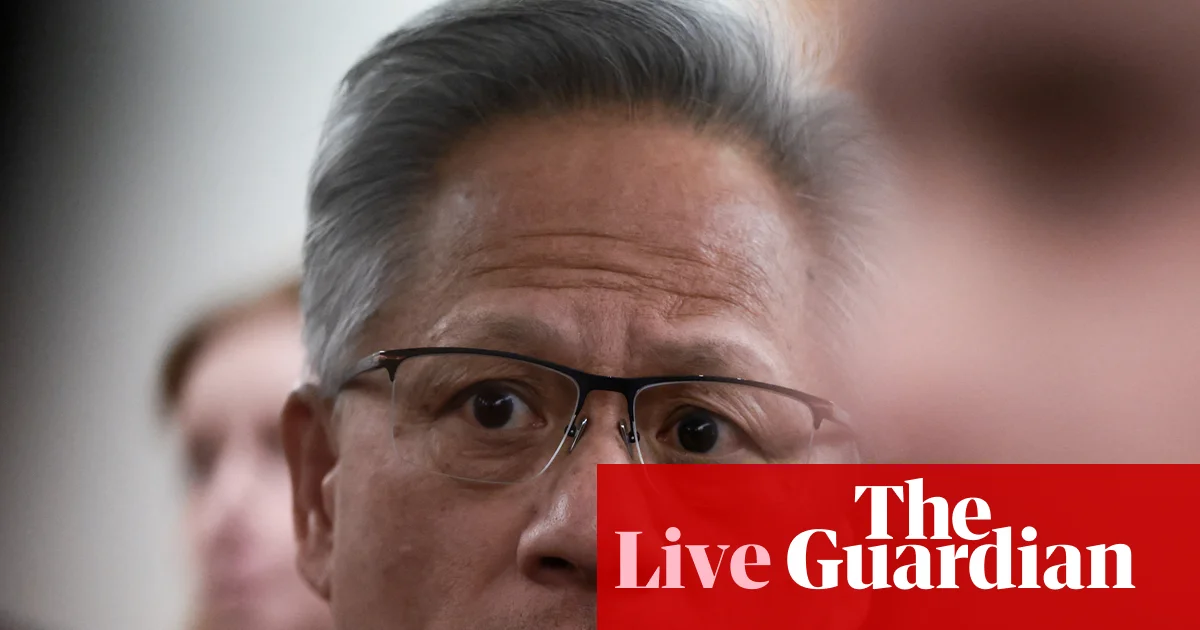
Nvidia has lost about $430 billion in market value over two trading sessions as allegations involving chief executive Jensen Huang and a suspected Chinese spy intensify scrutiny of the company. Its board has hired outside lawyers to investigate, turning a controversy over Huang’s personal conduct into a corporate governance and diplomatic challenge.
The board retained Wachtell, Lipton, Rosen & Katz, with former acting U.S. Attorney Joon Kim leading the inquiry, Reuters reported. The investigation concerns reports that Huang was targeted by a foreign intelligence operation through a relationship with Chinese businesswoman Alice Huang. The espionage allegations remain unproven.
Independent board members have said they have no reason to believe that national security or Nvidia’s confidential information was compromised, according to Associated Press reporting. They have also expressed confidence in Huang, who remains in charge while cooperating with the investigation. Those statements represent the board’s position, rather than the findings of a completed inquiry.
Huang has apologized to Nvidia employees over the affair, saying he had hurt his wife and children, AP reported. His apology did not address reports that Alice Huang was suspected of spying. The distinction leaves separate questions about his personal conduct and any potential security implications for investigators to examine.
The market response has made the controversy an immediate concern for shareholders, even before investigators establish what happened. Reuters reported that the allegations have raised questions about Nvidia’s governance and its reliance on the executive who has led the company for more than three decades. A falling market valuation does not itself establish the truth of the underlying claims.
The dispute has also reached the diplomatic arena. David Perdue, the U.S. ambassador to China, told Bloomberg Television that the Nvidia situation underscored the need for vigilance and described relations with Beijing as difficult. He linked economic security with national security, according to the account supplied by The Guardian.
China has rejected the espionage allegations. Chinese Foreign Ministry spokesperson Guo Jiakun described the narrative as groundless, Reuters reported. Beijing’s denial and the Nvidia board’s assurances are important responses, but neither resolves the factual questions that prompted the independent investigation.
Legal pressure is building alongside the corporate inquiry. A shareholder has sued Nvidia and Huang, alleging that investors were misled by their responses to reports about the relationship, AP reported. The lawsuit adds another avenue of scrutiny, although its allegations are not judicial findings and do not establish liability.
The next substantive development will be what the independent investigation establishes about the relationship and any consequences for Nvidia. For now, the board’s stated confidence in Huang sits alongside unresolved security allegations, shareholder litigation and a substantial market sell-off. Investors and policymakers are awaiting evidence that can distinguish reported suspicions from demonstrated misconduct.
Primary source: The Guardian Business. Newzly rewrites and structures source reporting for clarity; verify critical details at the original.