Nissan cuts petrol-car output as China’s EV shift outpaces forecasts
Nissan is reducing petrol-car production and expanding electric and plug-in hybrid output in China after faster-than-expected changes in demand forced the Japanese manufacturer to lower its sales expectations.
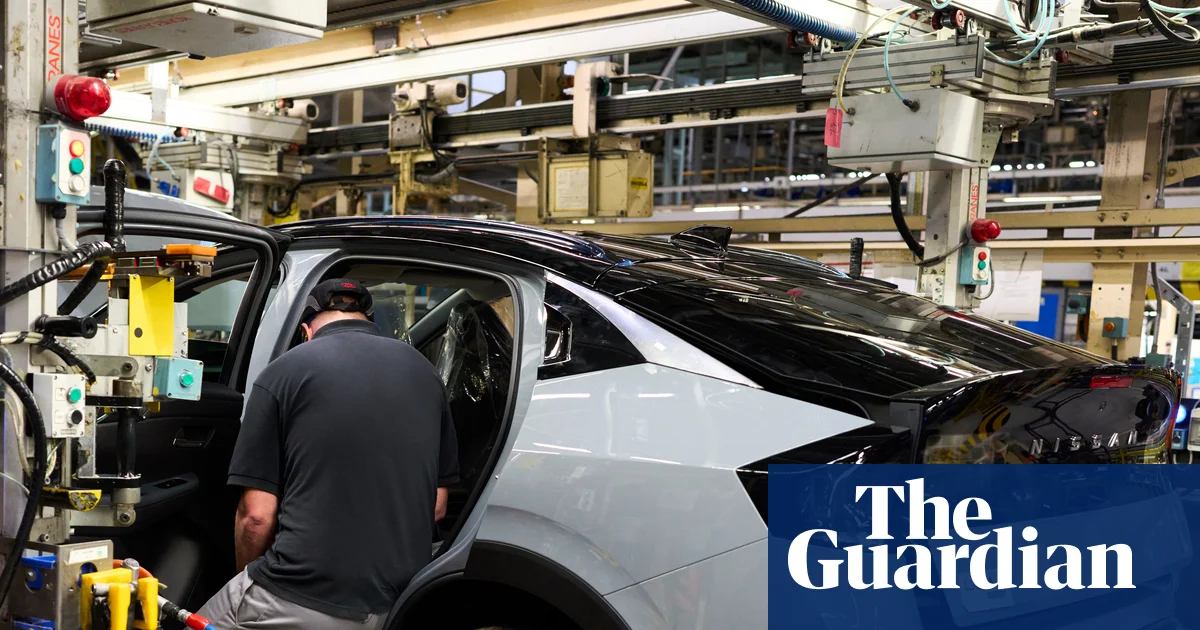
Nissan is cutting petrol-car production in China and increasing output of battery-electric vehicles and plug-in hybrids after the market’s transition moved faster than the company anticipated, according to The Guardian. The Japanese manufacturer has lowered its sales expectations as it faces fierce price competition in the world’s largest automotive market.
The adjustment reflects a mismatch between the vehicles Nissan had expected to sell and the direction of Chinese demand. Rather than simply reducing manufacturing across its business, the company is changing the balance of production toward electric and plug-in hybrid models, the report said.
Those technologies offer different approaches to moving away from conventional petrol-only driving. Battery-electric vehicles run entirely on stored electricity, while plug-in hybrids combine a rechargeable battery with a petrol engine. Nissan’s decision to increase both types of production signals a response spanning more than one part of the electrified market.
The immediate challenge is that a faster transition is taking place alongside an intense price war. For Nissan, the combination puts pressure on both the appeal of its existing petrol models and the competitiveness of their replacements. Increasing electric-car output addresses the product mix, but does not by itself resolve the commercial pressure described in the report.
Nissan already has a locally developed electric offering through Dongfeng Nissan’s N7 sedan. In its official announcement introducing that vehicle, Nissan said it was developed and produced in China, combining technology from local partners with the manufacturer’s production expertise. That approach places Chinese development and partnerships within its response to local buyers.
The company’s published Re:Nissan strategy also identifies regional differences as a central consideration in product planning. Nissan says it intends to concentrate engineering resources on core businesses and work with partners on vehicles suited to local preferences. For China specifically, the strategy emphasises faster innovation and stronger cost competitiveness through its joint venture.
The production changes described by The Guardian fit that broader emphasis on adapting to individual markets rather than assuming a uniform transition. Their significance lies in the need to align factory output with demand while that demand is still changing. A reduced sales outlook also makes the adjustment more difficult: Nissan must reposition its range while confronting weaker expectations for its business in China.
The next test will be whether greater availability of electric and plug-in hybrid vehicles translates into stronger sales in the highly competitive market. The reported production shift establishes Nissan’s direction, but not its eventual outcome. Its stated focus on local innovation and costs provides the framework for that response, while continued price competition leaves the commercial outlook uncertain.
Primary source: The Guardian Business. Newzly rewrites and structures source reporting for clarity; verify critical details at the original.