XPeng Targets Summer 2027 Launch for Two-Seat Flying Car in China
XPeng says its $300,000 autonomous flying vehicle has gained limited regulatory clearance in China, with plans to launch for rural recreation and emergency services in 2027.
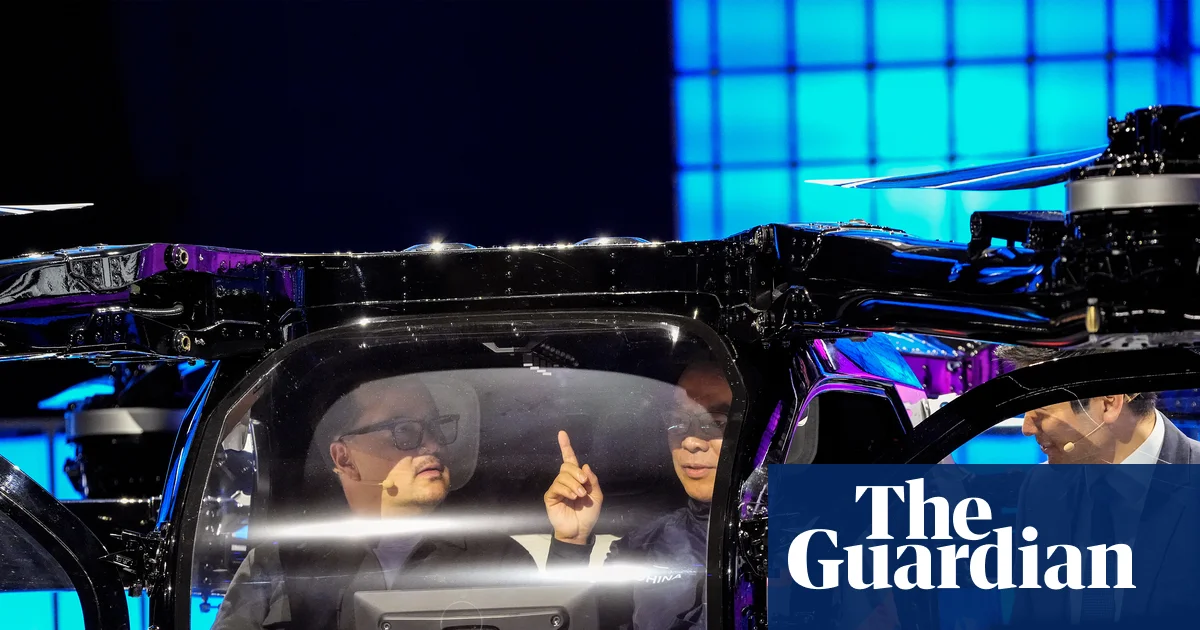
Trips in two-seater flying cars could begin in China as soon as next summer, according to the leadership of electric vehicle affiliate XPeng AeroHT. Deli Zhao, the company’s chief executive, announced that the low-altitude vehicle will be ready for operational deployment in the second half of 2027. The project represents one of the most high-profile commercial attempts to bring passenger-carrying electric vertical takeoff and landing craft to market.
The vehicle is priced at approximately $300,000, or roughly £225,000, targeting institutional buyers, emergency services, and high-end recreational users. Chinese civil aviation authorities have granted formal approval for limited commercial operations, overcoming a significant regulatory hurdle that has stalled comparable projects worldwide. The clearance establishes clear boundaries for early flights while testing protocols remain under government supervision.
Development of the aircraft has spanned more than a decade at the company’s primary testing base in Guangzhou. Early prototypes included experimental flying motorbikes and lightweight vertical-lift rigs designed to evaluate multi-rotor stability. Engineers gradually refined those early designs into a fully enclosed, two-seat vehicle equipped with automated flight controls.
Initial operations will not take place over crowded urban centers, where safety risks and regulatory restrictions remain substantial. Instead, XPeng plans to roll out the vehicle for recreational tourism in designated rural locations and for municipal emergency response teams. Emergency medical services, natural disaster monitoring, and search-and-rescue units in remote regions are expected to form the primary customer base.
The development arrives amid an aggressive national push across China to build a commercial low-altitude economy. Central and regional authorities have increasingly reformed low-altitude airspace regulations, enabling companies to test unmanned logistics drones, air taxis, and modular flying vehicles. Municipalities have competed to attract manufacturing facilities and establish dedicated flight corridors for low-altitude aviation.
XPeng has focused heavily on autonomous and assisted navigation to reduce the complexity of piloting the vehicle. Onboard autopilot systems handle flight stabilization, route tracking, and obstacle detection, allowing operators to navigate without extensive commercial pilot training. That technological approach is intended to ease pilot certification constraints while maintaining civil aviation safety thresholds.
Despite regulatory progress in China, commercialization across the broader electric vertical takeoff and landing sector faces persistent technical and commercial challenges. Battery energy density, operational flight duration, and noise management remain critical engineering bottlenecks. Developing reliable vertiport networks, maintenance facilities, and secure ground-based charging infrastructure will also require substantial capital investment.
Public acceptance and strict air traffic coordination will play decisive roles as manufacturers move from test flights to commercial operations. Low-altitude flight management platforms must prove capable of tracking multiple automated aircraft simultaneously without interfering with commercial airliner paths. Regulators will monitor early flight safety data closely to evaluate emergency landing mechanisms and structural resilience under varied weather conditions.
XPeng is preparing for expanded demonstration flights over the coming months ahead of the projected summer debut. The company intends to commence customer deliveries in the latter half of 2027 once final operational reviews conclude. If early deployments succeed, the initiative could offer a practical blueprint for integrating passenger-grade low-altitude flight into broader civilian transport systems.
Primary source: The Guardian Business. Newzly rewrites and structures source reporting for clarity; verify critical details at the original.