Noise Pollution Is Reshaping Wildlife Health and Behavior Worldwide
Human-generated noise has permeated nearly every corner of the planet, disrupting animal communication and survival, yet scientists emphasize that acoustic pollution remains one of the simplest environmental crises to reverse.
In this piece
Disruptive noise generated by human activity now reaches almost every ecosystem on Earth, profoundly altering the physiology, communication, and survival of…
Disruptive sound produced by human activity has penetrated virtually every ecosystem across the globe, fundamentally reshaping how wild animals live, feed, and survive. From commercial transport routes to sprawling urban centers, unnatural acoustic interference has transformed natural soundscapes into crowded acoustic environments. Researchers warn that this pervasive din is no longer an isolated nuisance, but a widespread environmental disturbance altering the daily routines and baseline health of countless species.
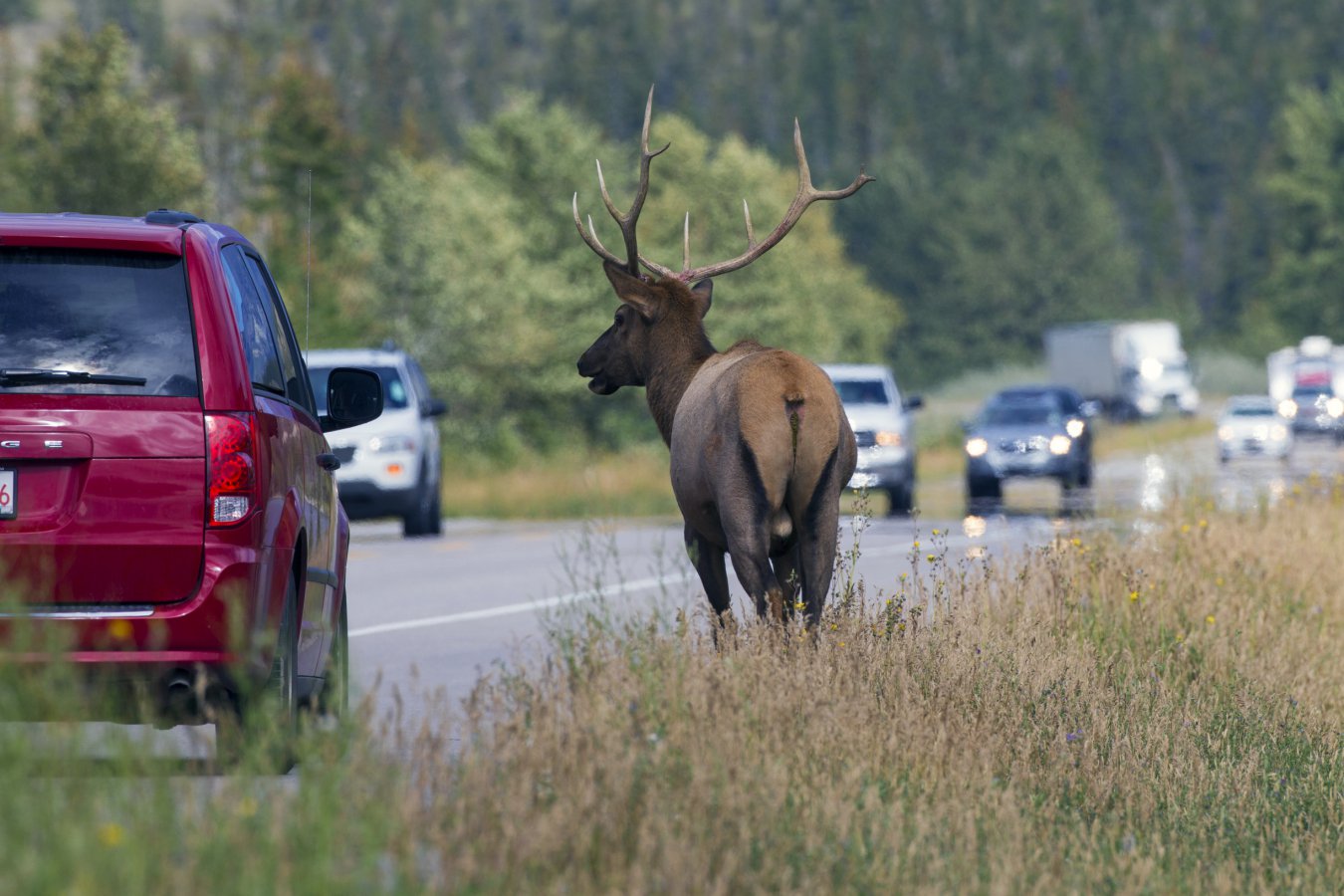
For decades, conservation efforts focused predominantly on chemical contaminants, habitat destruction, and greenhouse gas emissions, frequently treating anthropogenic noise as a secondary issue. However, ecological studies reveal that synthetic sound permeates habitats ranging from remote forests to deep ocean trenches. The hum of industrial machinery, shipping traffic, aviation, and roadway transit now routinely drowns out the subtle acoustic cues that living organisms have evolved to rely upon over millennia.
The physiological consequences for wildlife subjected to continuous acoustic disturbances are severe and wide-ranging. Chronic noise exposure consistently triggers systemic stress responses across both terrestrial and aquatic animals, driving up cortisol levels and suppressing natural immune defense mechanisms. Over extended periods, sustained physiological agitation impairs metabolic function, reduces overall vitality, and accelerates physical deterioration among vulnerable wildlife populations.
Communication breakdowns represent one of the most visible impacts of escalating noise pollution. Many songbirds and amphibians depend on precise acoustic signals to attract mates, declare territories, and coordinate social structures. In chronically noisy environments, these animals are forced to alter the frequency, volume, or timing of their vocalizations, often burning excess biological energy or compromising their ability to be heard by prospective partners.
The balance between predators and prey is also destabilized by human acoustic intrusion. Predators that rely on sensitive auditory perception, including owls, bats, and marine mammals, struggle to detect and pinpoint their targets amidst low-frequency background noise. Concurrently, prey species often become hyper-vigilant, expending critical time and energy fleeing false alarms or remaining in hiding rather than foraging and caring for their young.
Marine habitats face uniquely severe challenges because sound travels significantly farther and faster through water than through air. Commercial shipping engines, seismic exploration surveys, and naval sonar create persistent underwater rumbles that blind species that rely on echolocation. Whales, dolphins, and schooling fish frequently experience auditory trauma, navigational disorientation, and separation from their migratory pods due to intense man-made oceanic noise.
When individual behaviors and reproductive rates decline across multiple species, entire ecological networks begin to unravel. Animals that abandon chronically noisy habitats can trigger localized population collapses, altering seed dispersal, insect control, and natural nutrient cycles. These acoustic disturbances effectively shrink usable wildlife habitats, confining animals to smaller, fragmented corridors even when physical vegetation remains standing.
Despite the severity of the threat, environmental scientists emphasize that noise pollution carries an extraordinary advantage over nearly every other major ecological crisis: it ceases immediately once the source is turned off. Unlike persistent chemical toxins, plastics, or atmospheric carbon dioxide that remain trapped in the biosphere for decades or centuries, acoustic disturbances produce no lingering environmental residue once suppressed.
A wide array of practical and cost-effective solutions already exists to mitigate human sound footprints. Implementing reduced speed limits for maritime shipping vessels, retrofitting highways with sound-dampening asphalt, and designing quieter transport engines can dramatically lower ambient decibel levels. In cities, the expansion of green acoustic buffers, tree canopies, and architectural sound shields offers immediate respite for urban wildlife populations.
Moving forward, acoustic conservationists and policy experts argue that sound must be systematically integrated into formal environmental protection standards and regional planning frameworks. Because wildlife exhibits an astonishingly rapid ability to rebound and resume natural behaviors when environments grow quiet, targeted acoustic interventions offer immediate returns for biodiversity. With coordinated policy action and existing engineering tools, restoring the planet's natural acoustic quiet remains one of the most achievable conservation victories within reach.
Primary source: New Scientist. Newzly rewrites and structures source reporting for clarity; verify critical details at the original.