Nvidia CEO Jensen Huang Faces Intense Scrutiny Over China and National Security
As federal inquiries and intelligence questions swirl around Nvidia boss Jensen Huang, the chip executive's delicate stance on China places him at the very center of the global AI superpower race.
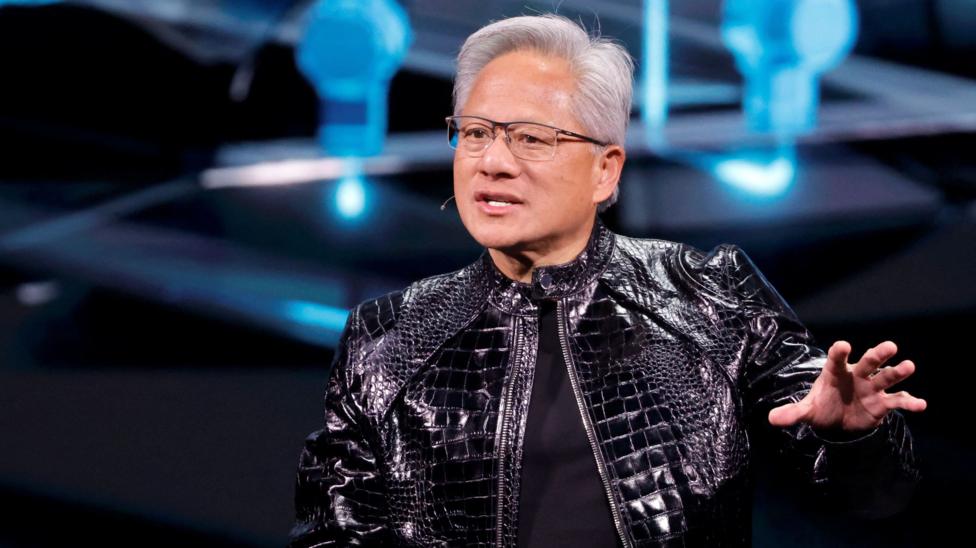
Nvidia chief executive Jensen Huang is facing unprecedented geopolitical and political scrutiny as questions mount over US national security, artificial intelligence supremacy, and relations with China. The semiconductor titan finds himself under intense focus amid an investigation into alleged foreign intelligence links, elevating his profile beyond typical Silicon Valley leadership into the center of global superpower rivalry.
In an analysis by BBC Economics Editor Faisal Islam, Huang was characterized as carrying far greater weight for the future of the international order than almost any other modern technology executive. That stature stems directly from Nvidia's near-monopoly on the advanced graphics processing units that power contemporary artificial intelligence models and high-performance computing infrastructure worldwide.
Huang has consistently offered a nuanced and at times contentious perspective on the escalating technology standoff between Washington and Beijing. During discussions regarding American export bans on cutting-edge processors, the Nvidia chief argued that technological progress does not represent an inescapable zero-sum game between competing nations.
Huang pointed out that both United States leadership and Chinese authorities naturally seek economic and technological success for their respective countries. However, he maintained that human advancement can accommodate progress on both sides, advocating for continued commercial interaction where permissible rather than absolute technological decoupling.
That diplomatic posture has now collided with acute security sensitivities in Washington. Federal authorities and internal corporate reviews have focused on Huang following allegations regarding personal ties to an individual suspected by intelligence officials of connections to Chinese intelligence.
While Nvidia's board has indicated that preliminary reviews found no evidence suggesting company secrets or national security parameters were compromised, the investigation has nonetheless rattled investors. President Donald Trump has publicly noted federal scrutiny into the matter, underscoring how swiftly corporate affairs at the chipmaker become matters of state.
The situation severely complicates Nvidia's long-standing efforts to navigate and lobby against stringent export curbs that prevent the company from selling its most powerful hardware into the massive Chinese market. Lawmakers in Washington have increasingly viewed artificial intelligence silicon as vital strategic materiel, comparable to critical defense manufacturing.
Because Nvidia designs the chips underpinning everything from cutting-edge enterprise models to sovereign defense algorithms, Huang occupies a pivotal nexus between private enterprise and national defense. Any disruption to the company's executive leadership or regulatory standing carries immediate consequences for global supply chains and international semiconductor policy.
Moving forward, Nvidia must balance rigorous compliance demands from American regulators against its ambitions to maintain global market leadership. As federal inquiries proceed and global competition intensifies, Huang's ability to steer the world's most valuable chipmaker through turbulent geopolitical waters will test whether modern tech diplomacy can survive an era of deep superpower division.
Primary source: BBC Technology. Newzly rewrites and structures source reporting for clarity; verify critical details at the original.