Nvidia Reinstates Jensen Huang as CEO After White House Outreach
Nvidia’s board voted unanimously to reinstate Jensen Huang as chief executive officer just 11 days after his resignation, following direct intervention from President Donald Trump and national security assurances from federal officials.
In this piece
Nvidia has unanimously reinstated Jensen Huang as CEO and director less than two weeks after his abrupt resignation. The reversal followed direct lobbying by…
Nvidia has reinstated Jensen Huang as its president, chief executive officer, and board director, reversing his abrupt departure just 11 days after he resigned from the helm of the semiconductor giant. The company announced that its board voted unanimously to bring back the co-founder following high-level discussions with the federal government. The high-stakes reversal marks one of the swiftest leadership comebacks in recent corporate history.
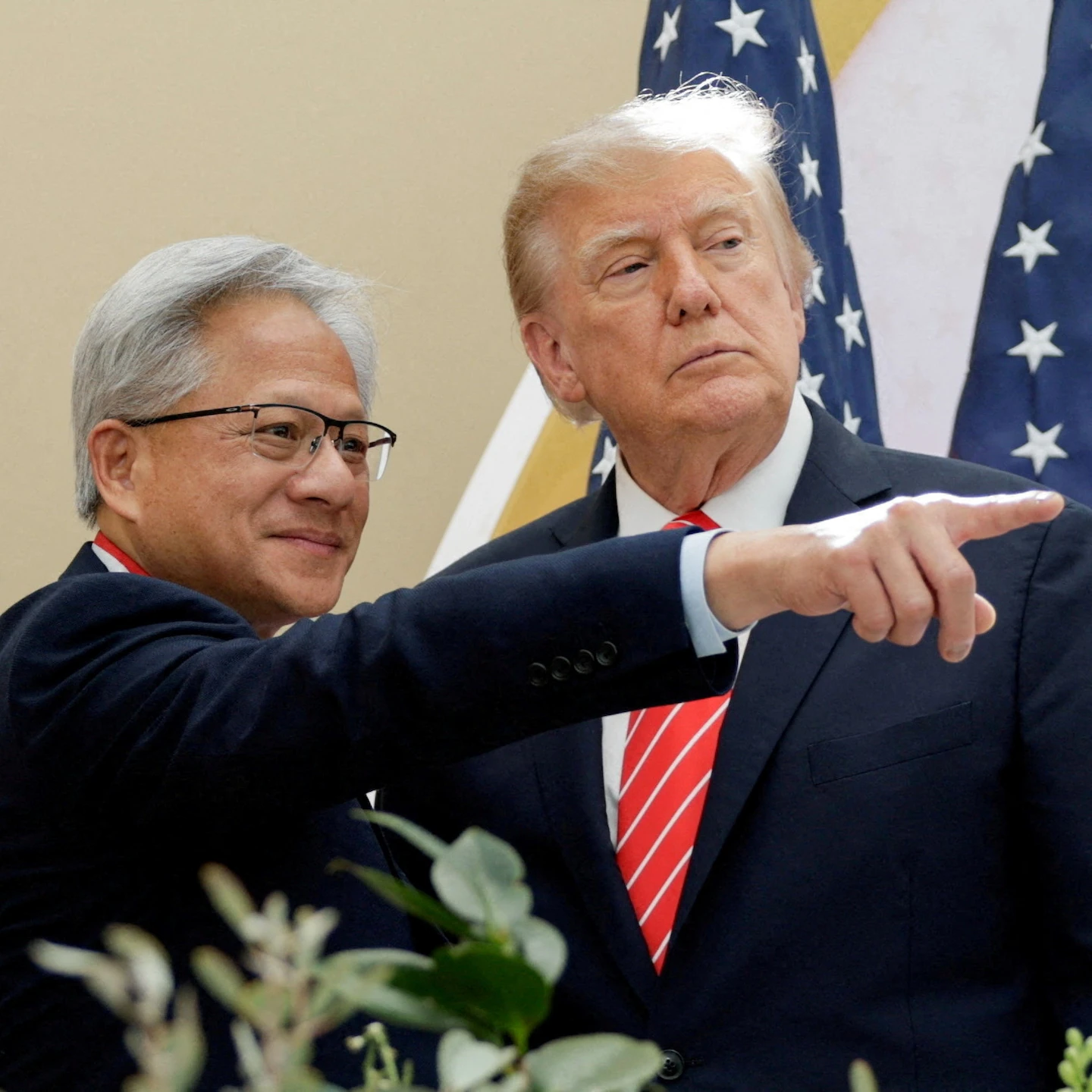
The board's decision followed extraordinary personal intervention from President Donald Trump, who confirmed that he spoke directly and indirectly with Nvidia directors to push for Huang's return. Trump stated in media interviews that he helped broker the agreement after addressing national security questions surrounding the executive. Senior administration officials reportedly assured the board that federal agencies saw no continuing security threat or evidence of unlawful conduct that would bar his leadership.
Huang had originally stepped down on November 12 amid revelations involving personal relationships that raised internal governance and national security flags. Federal investigators had scrutinized an extramarital relationship between Huang and an executive at an Nvidia client company over alleged ties to Chinese intelligence assets. Disclosures of an additional relationship with an internal subordinate had compounded the scrutiny, precipitating his unexpected resignation.
The initial announcement of Huang's exit had sent shockwaves through global markets, triggering a severe sell-off in Nvidia shares and dragging down major tech indices. Trump acknowledged that the steep market plunge factored into his administration's determination to intervene, emphasizing the broader economic consequences of an extended leadership vacuum. He stressed that Nvidia remains an essential pillar of American technological strength that could not afford prolonged instability.
Wall Street reacted to the reinstatement with immediate enthusiasm, sending Nvidia shares soaring more than 30 percent in subsequent trading sessions. The massive rally erased much of the company's recent losses and restored hundreds of billions of dollars to its overall market capitalization. Investors and industry leaders broadly welcomed the return of the executive widely regarded as the chief architect of the modern artificial intelligence era.
Nvidia occupies a pivotal role in the global computing ecosystem, commanding the lion's share of the market for high-performance graphics processing units that power generative artificial intelligence models. Major technology firms and national data centers rely heavily on Nvidia's proprietary hardware and software architecture to build frontier AI tools. Analysts noted that Huang’s personal relationships across the industry and his strategic vision are considered virtually irreplaceable by major institutional shareholders.
Despite the market celebration, the administration's direct involvement in corporate leadership decisions has stirred unease among governance experts and legal observers. Critics pointed out that presidential intervention in the board deliberations of a publicly traded enterprise represents an unusual and potentially fraught precedent. Some ethics specialists cautioned that blurring the boundaries between White House influence and private corporate governance creates complex legal and regulatory challenges.
On Capitol Hill, lawmakers from both parties signaled that the controversy is far from settled and vowed to proceed with independent inquiries. Congressional committees plan to examine the intelligence assessments that initially triggered concern, as well as the administration's assurances that cleared Huang's return. Lawmakers underscored that potential foreign intelligence operations targeting senior executives in critical technology sectors require persistent, thorough oversight.
Moving forward, Huang faces the challenge of reassuring employees and institutional investors while steering Nvidia through intensifying geopolitical friction between Washington and Beijing. The company must balance aggressive commercial expansion in artificial intelligence infrastructure with stringent export controls and national security compliance. Although his reinstatement brings immediate operational continuity, the episode highlights the profound political pressures reshaping the upper echelons of the semiconductor industry.
Primary source: Google News Washington. Newzly rewrites and structures source reporting for clarity; verify critical details at the original.