Once-Daily Pill Enlicitide Slashes Bad Cholesterol by Up to 65%
A newly approved once-daily pill called enlicitide cuts bad cholesterol by up to 65 percent, delivering the efficacy of powerful injectable drugs in a convenient oral tablet with few side effects.
In this piece
A newly approved once-daily pill, enlicitide, reduces bad cholesterol by up to 65 percent without requiring injections. With relatively few side effects, the…
A newly approved once-daily oral medication known as enlicitide has demonstrated the ability to lower low-density lipoprotein cholesterol by up to 65 percent. The clinical milestone offers patients the high-potency efficacy typically associated with advanced injectable cholesterol therapies in a convenient oral tablet. Medical experts view the development as a significant step forward for individuals who struggle to reach healthy lipid targets through standard interventions alone.
For years, the most aggressive reductions in low-density lipoprotein, commonly known as bad cholesterol, required periodic subcutaneous injections. While these injectable treatments have proven highly effective for high-risk patients, the reliance on needles often presents logistical and adherence hurdles. Enlicitide bridges this gap by delivering comparable reductions in bad cholesterol without requiring clinical visits or home self-injections.
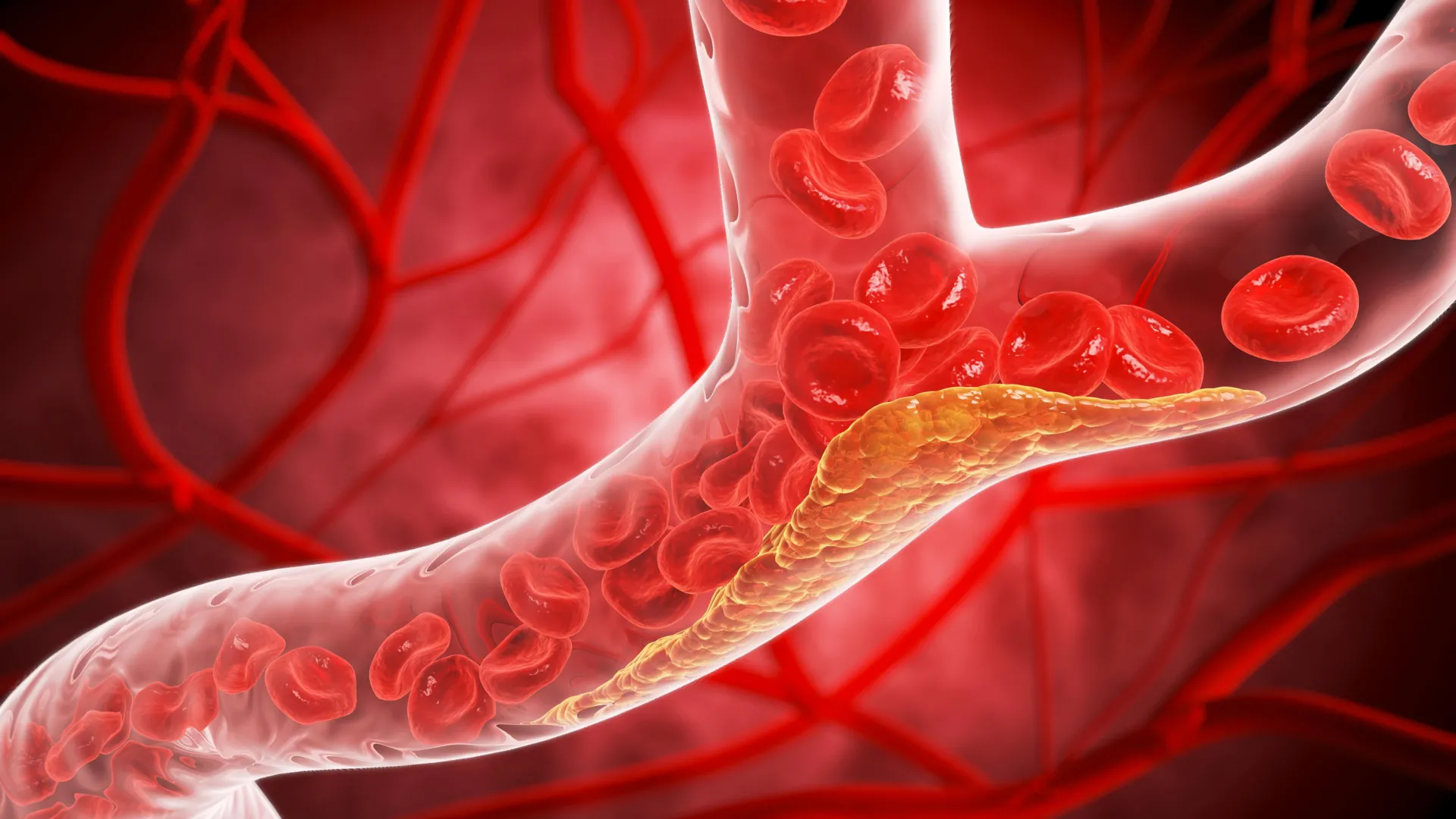
Elevated levels of bad cholesterol are among the primary modifiable drivers of atherosclerotic cardiovascular disease, which remains a leading cause of death globally. Excess cholesterol accumulates along arterial walls, forming plaques that can restrict blood flow and precipitate heart attacks or strokes. Lowering circulating lipid levels is widely recognized across cardiology guidelines as an essential strategy for mitigating long-term arterial damage.
While oral statins have long served as the foundational first-line therapy for lipid management, a substantial subset of patients cannot achieve optimal cholesterol targets on statins alone. Others experience muscle aches or other intolerable side effects that limit their ability to maintain therapeutic dosages. For these individuals, secondary non-statin options are vital, yet historical non-statin oral choices have often provided only modest additional reductions.
According to reported clinical data, enlicitide was observed to have relatively few adverse side effects across patient evaluations. Favorable tolerability is a critical consideration in chronic disease management, where individuals must remain on therapies consistently for years or decades to maintain cardiovascular protection. A clean safety and tolerability profile significantly enhances the likelihood of sustained daily adherence.
Cardiologists frequently observe that patient compliance is substantially higher with oral regimens compared to injectable modalities. Many patients experience anxiety, injection-site reactions, or storage and disposal challenges associated with refrigerated syringes and auto-injectors. By packaging potent lipid-lowering capabilities into a daily pill, the treatment substantially reduces friction for both patients and healthcare providers.
Achieving up to a 65 percent reduction in bad cholesterol can fundamentally alter the cardiovascular risk trajectory for individuals with severe hypercholesterolemia or established arterial disease. Deep lipid lowering is known to stabilize existing arterial plaques and dramatically curb the rate of subsequent acute vascular events. Providing such potent control in primary care settings could expand access beyond specialized lipid clinics.
The arrival of an oral alternative to injectable treatments also carries important implications for healthcare delivery and prescription administration. Injectable biologics often involve specialized pharmacy handling, cold-chain distribution, and stringent insurance prior-authorization requirements. A standard once-daily oral tablet could streamline prescribing protocols and simplify distribution across diverse healthcare settings.
As enlicitide transitions into broader clinical adoption, long-term post-marketing surveillance and ongoing real-world registries will monitor its sustained performance across diverse patient populations. Clinicians and researchers will closely track how effectively patients integrate the once-daily pill into existing cardiovascular prevention regimens alongside lifestyle modifications. The emergence of potent oral alternatives signals an evolving era in preventive cardiology, offering new pathways for individuals who have historically struggled to manage their cholesterol.
Primary source: ScienceDaily. Newzly rewrites and structures source reporting for clarity; verify critical details at the original.